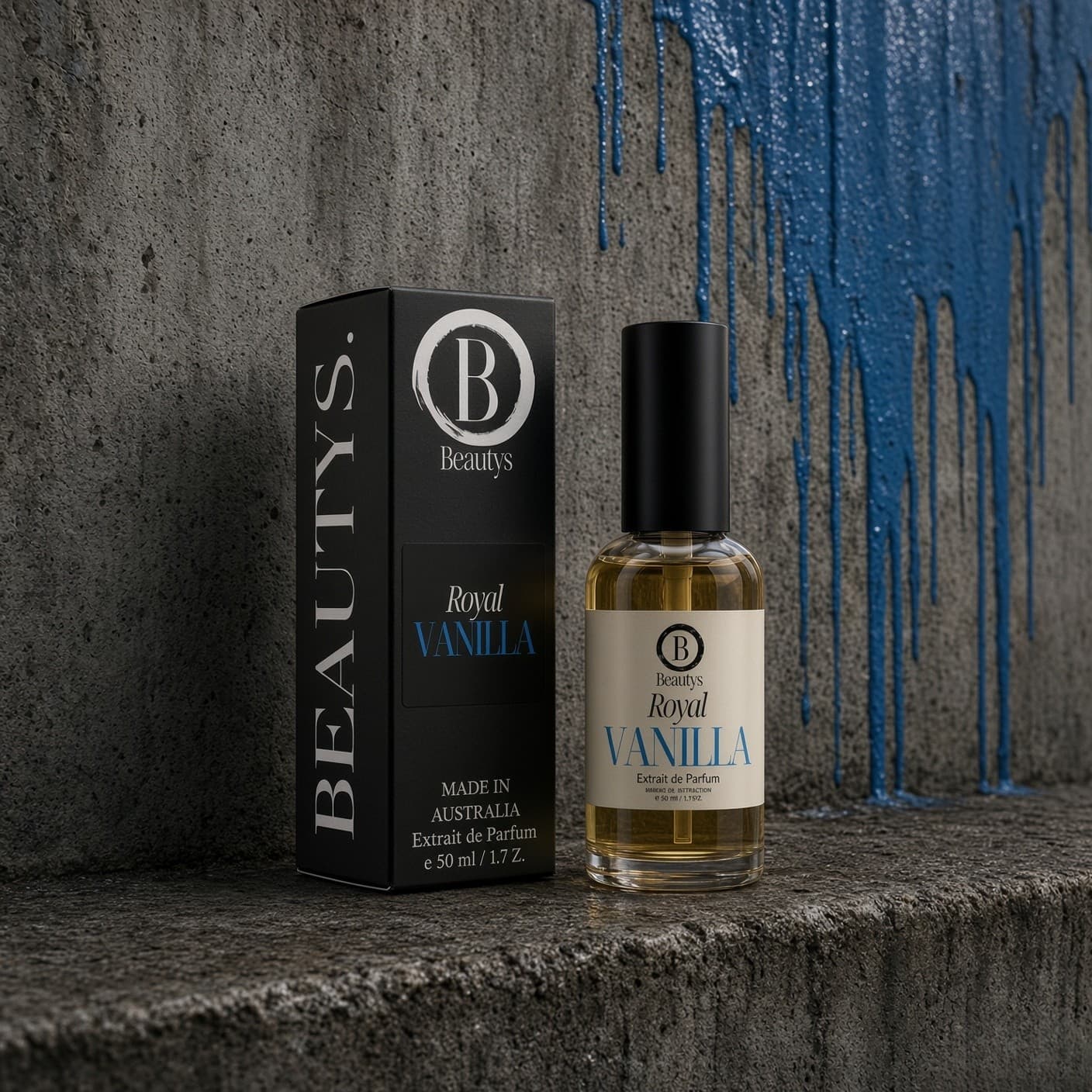
Field notes / 01
What does vanilla smell like in perfume?
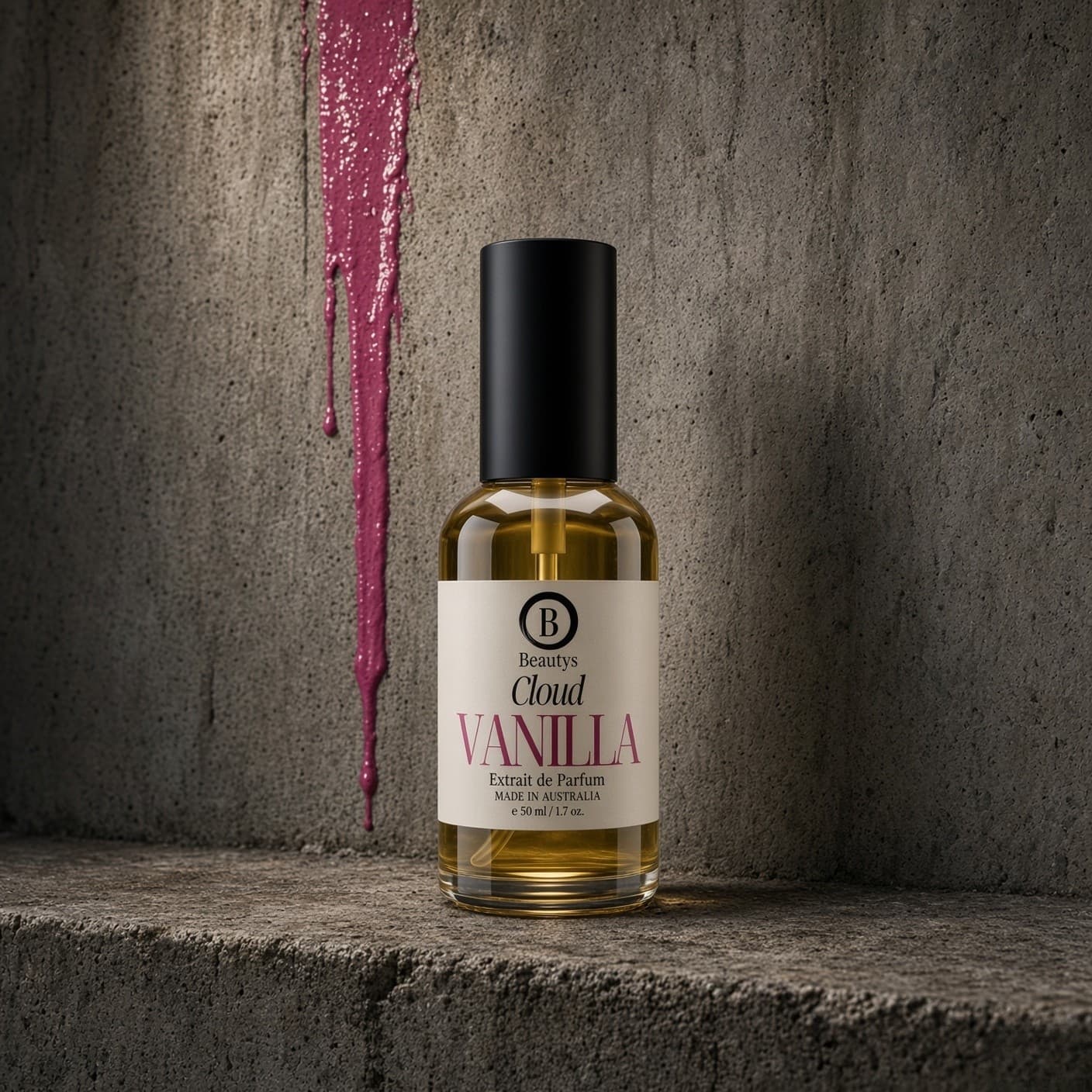
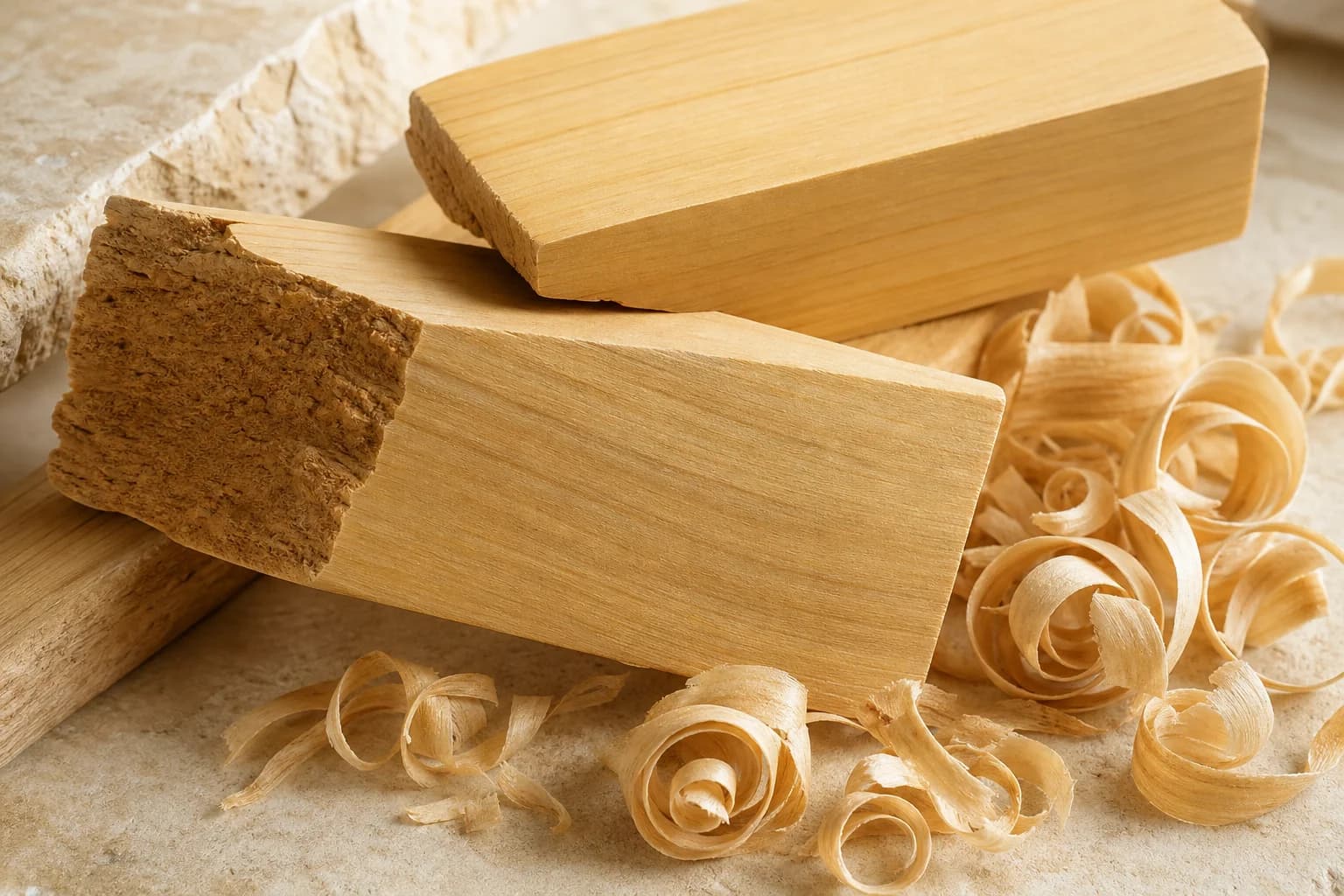
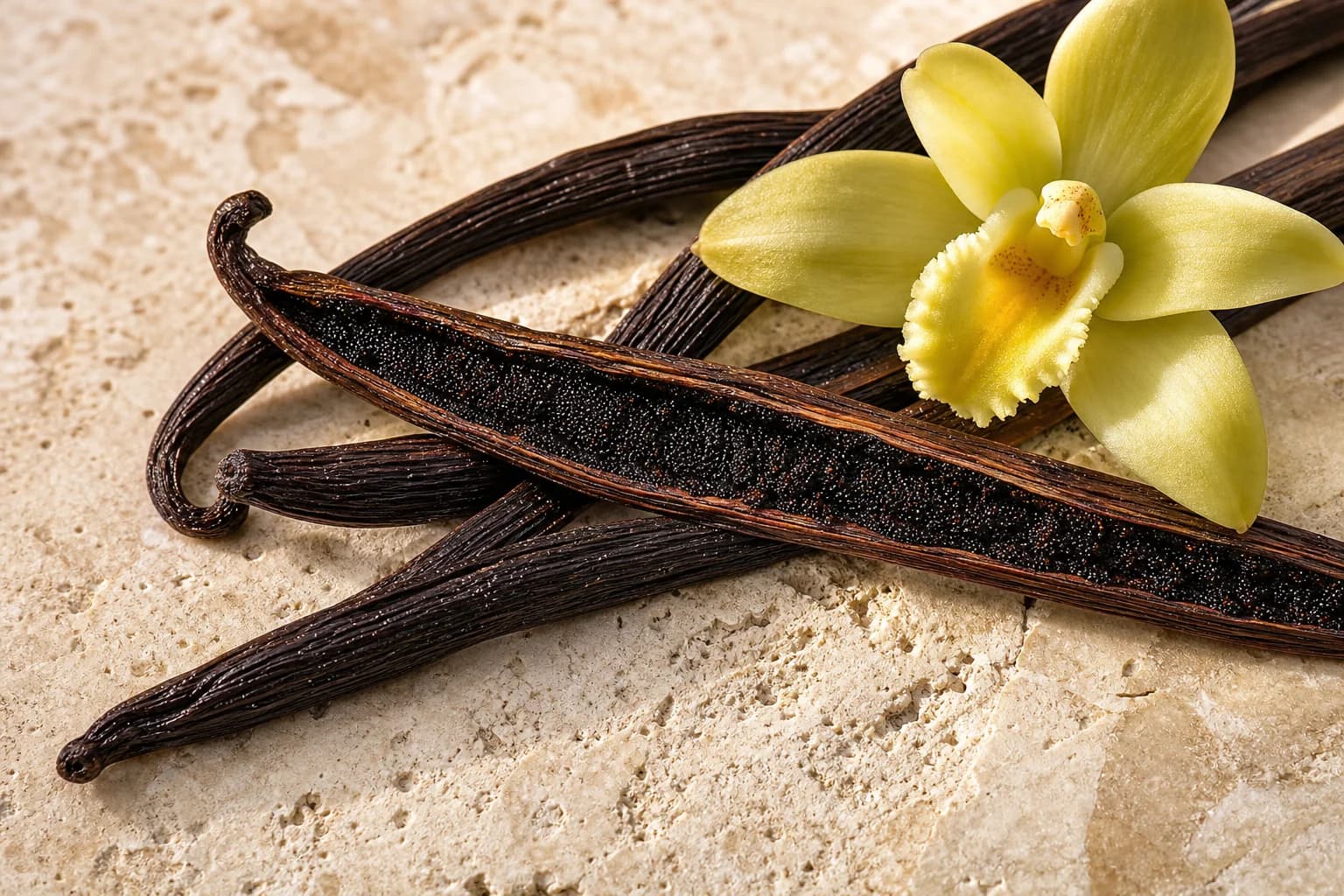
Imagine the difference between smelling a split vanilla pod and a spoonful of vanilla icing. Both feel familiar, but the pod has darker, drier details: woody fibres, a faint leathery warmth and a soft spice beneath the sweetness. Perfumery can explore any of these impressions. A vanilla fragrance need not smell like cake, and it need not be overwhelmingly sugary.
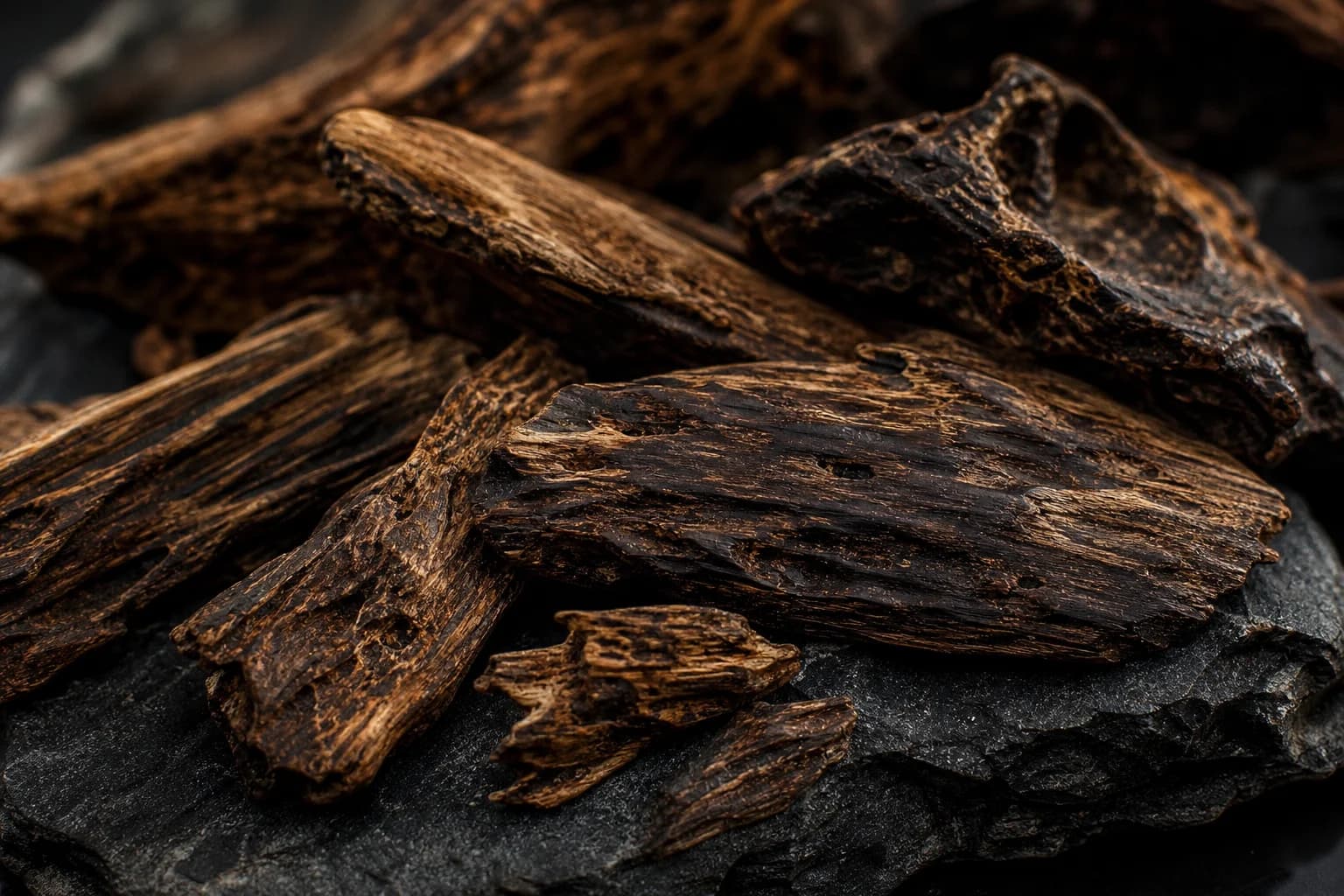
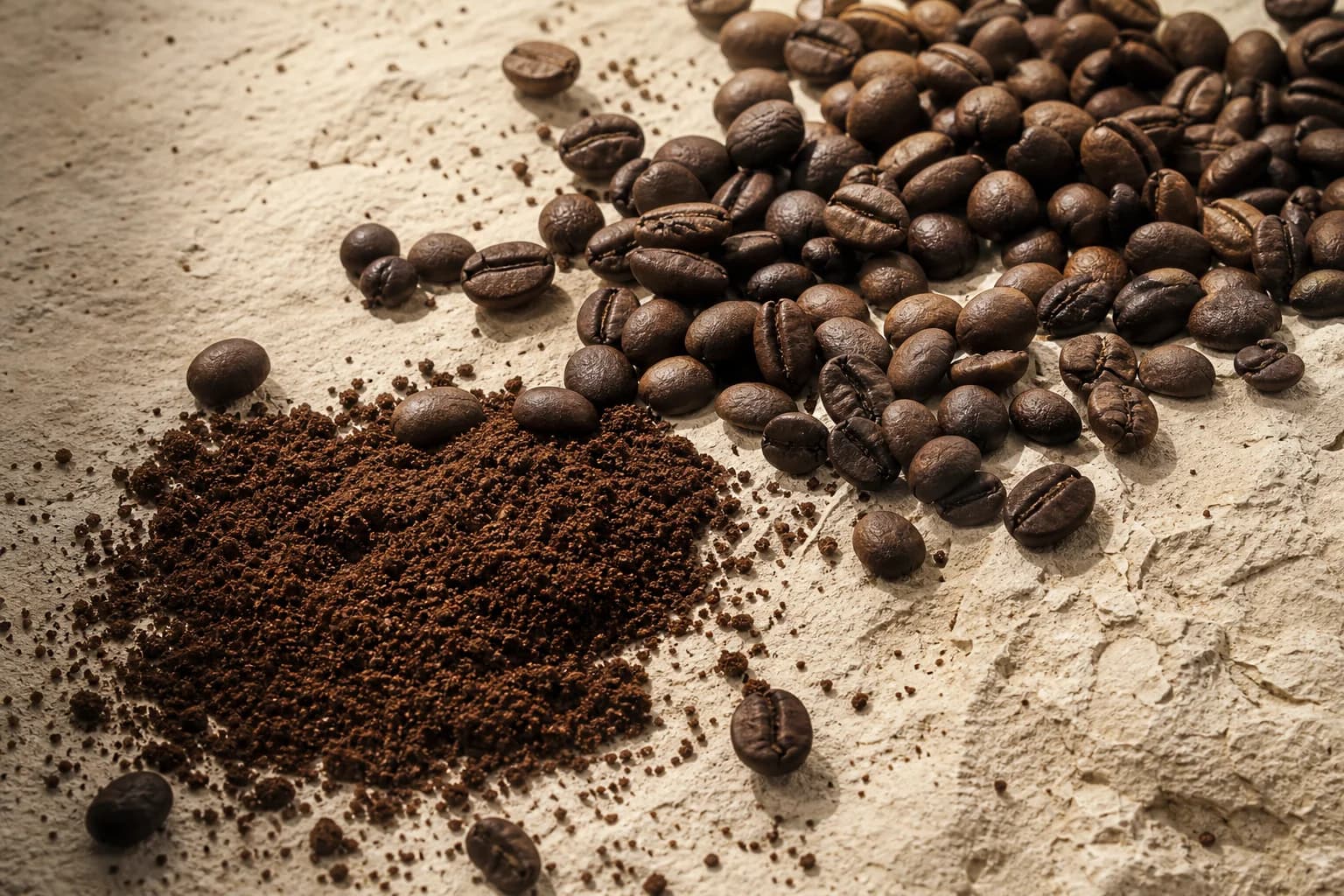
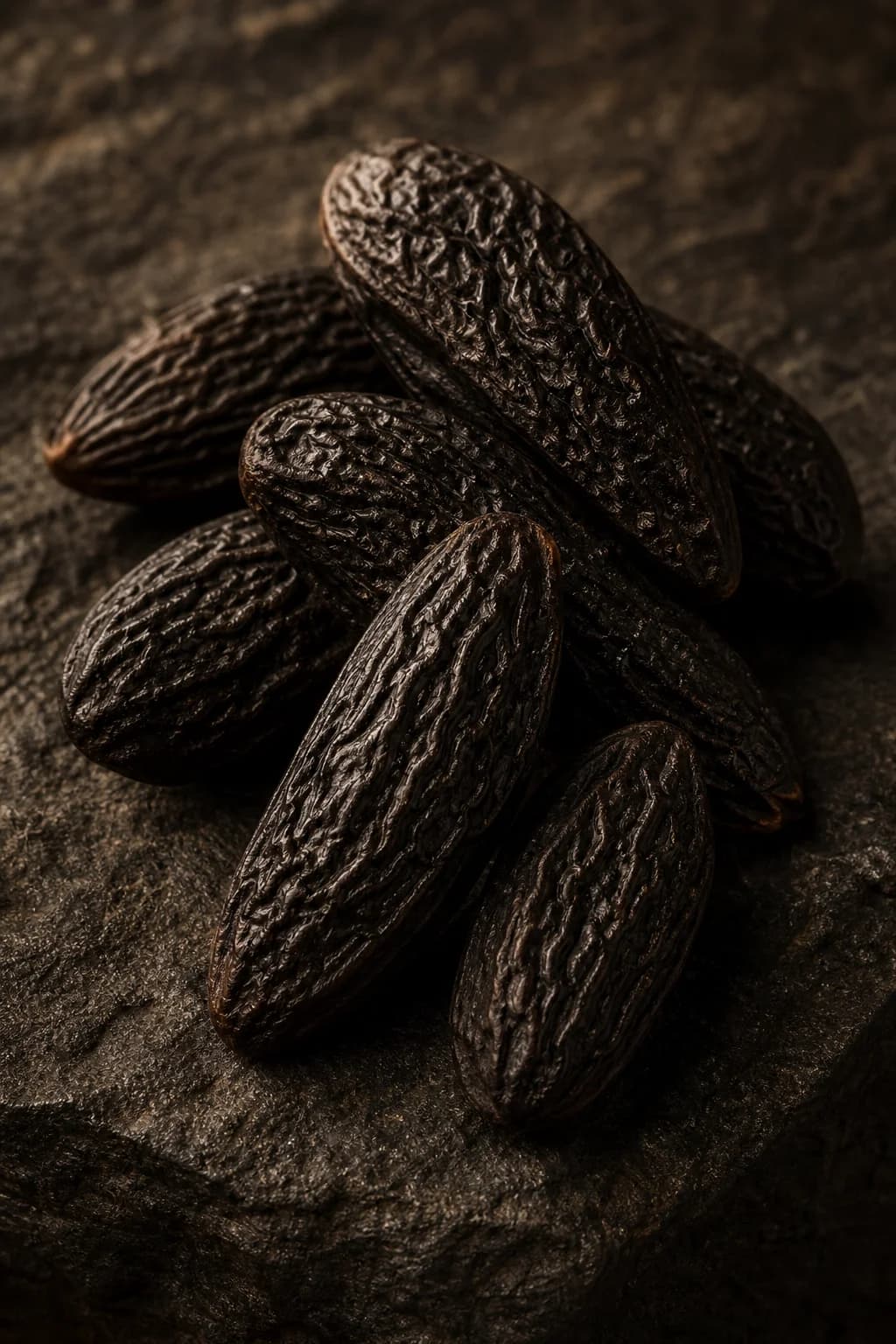
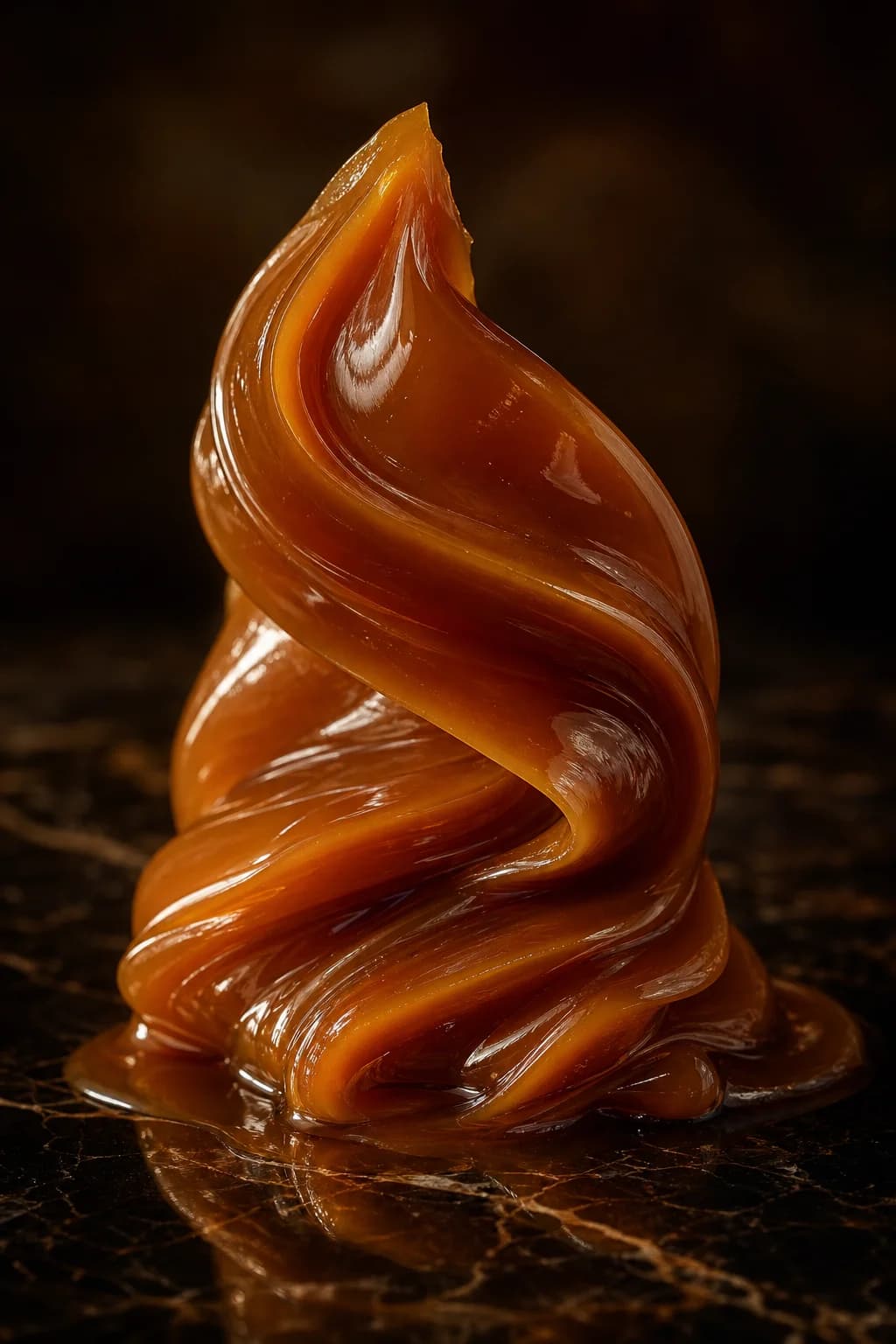
Around coconut or milky notes, vanilla often feels creamy. Alongside caramel, praline or tonka bean, it moves towards confectionery. Woods, incense and patchouli can give the same idea a more shaded, textured character. Read the whole note pyramid rather than treating the word vanilla as a promise of one particular smell.
Field notes / 02
A cured orchid pod, a perfumer’s palette
Natural vanilla comes from the cured fruits of vanilla orchids, most notably Vanilla planifolia. The familiar aroma develops through curing; it is not simply the scent of a freshly picked green pod. Natural vanilla extracts used in perfumery bring a mixture of aromatic components, rather than a single sweet smell.
Vanillin is a key part of that scent and can also be produced separately. Perfumers use vanillin, ethyl vanillin, natural extracts and combinations of other materials to shape vanilla effects. A listed vanilla note describes an olfactory impression, not proof that a perfume contains natural vanilla extract. Likewise, vanilla orchid is a floral note description and should not automatically be treated as a cured vanilla-pod note.
Field notes / 03
How vanilla changes a composition
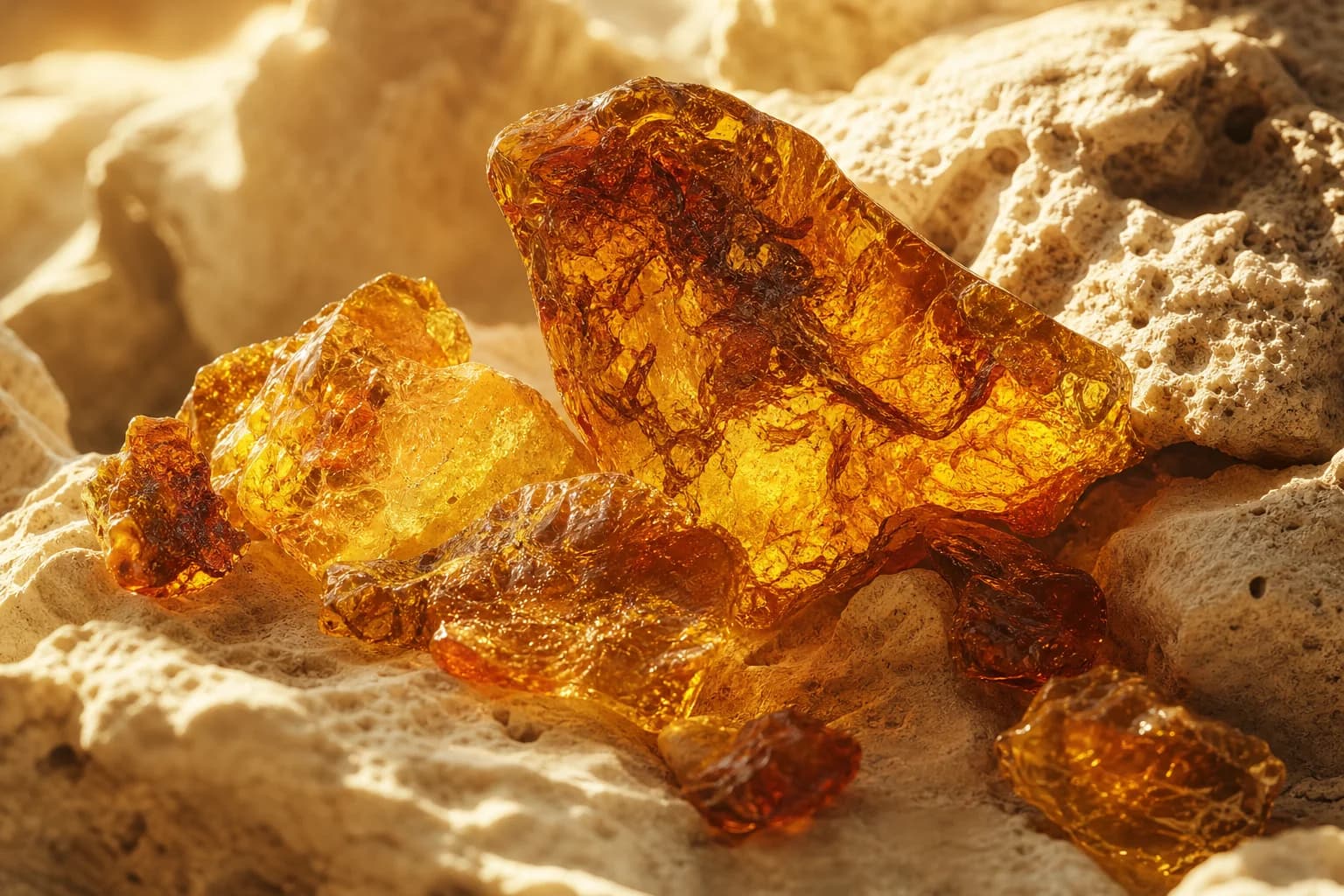
Vanilla often rounds out a fragrance’s dry down, softening sharp edges and linking florals, spices and woods. A small amount can make an amber composition feel smoother without turning it into a dessert scent. At the centre of a gourmand perfume, it can instead become the main subject, with other notes supplying contrast.
For Australian wearers, temperature is part of the experience rather than a rule about seasons. Warm weather can make a rich vanilla feel more expansive; a lighter application may suit you better. Test on skin and return to it over several hours. Concentration, dose and the complete formula matter more than the note name alone.