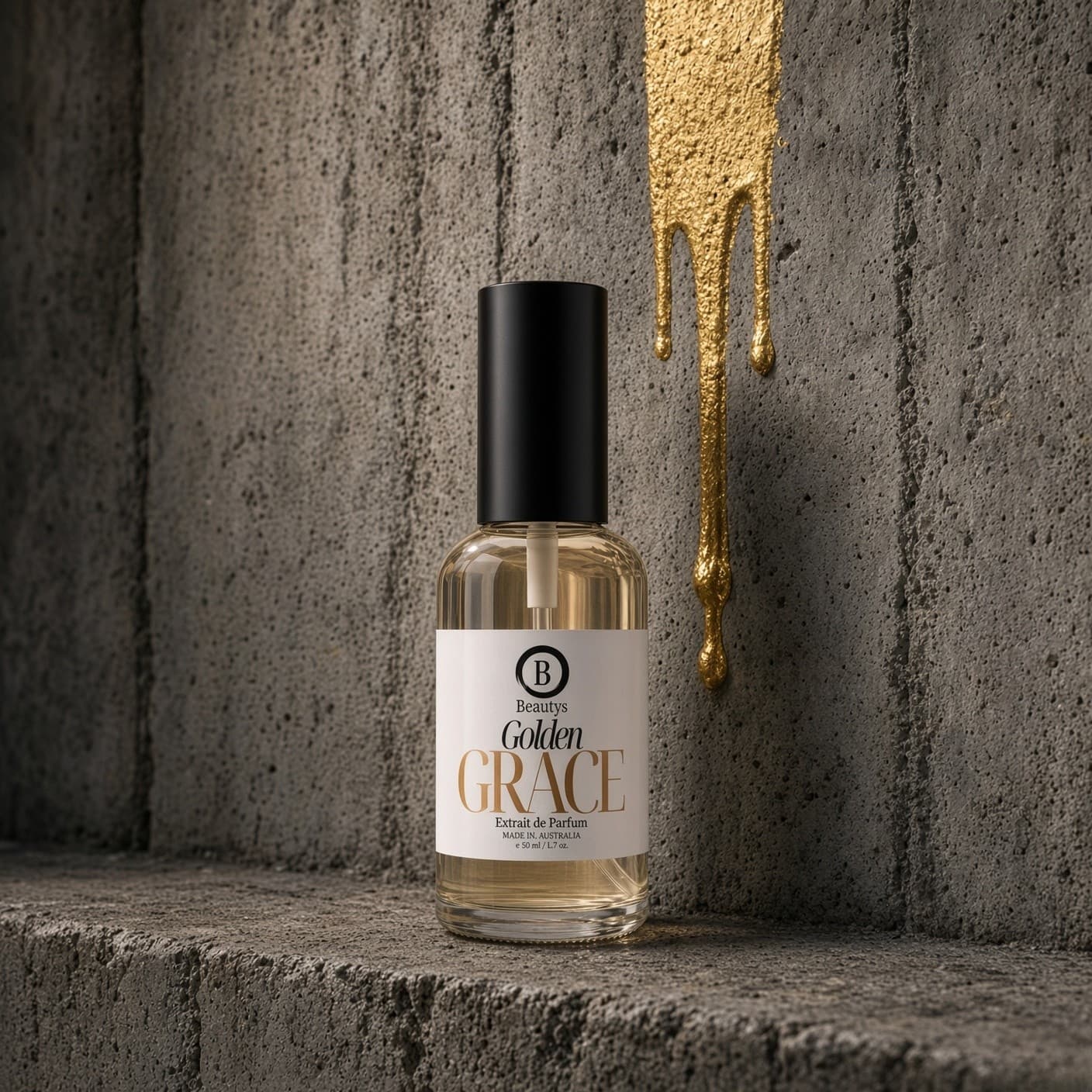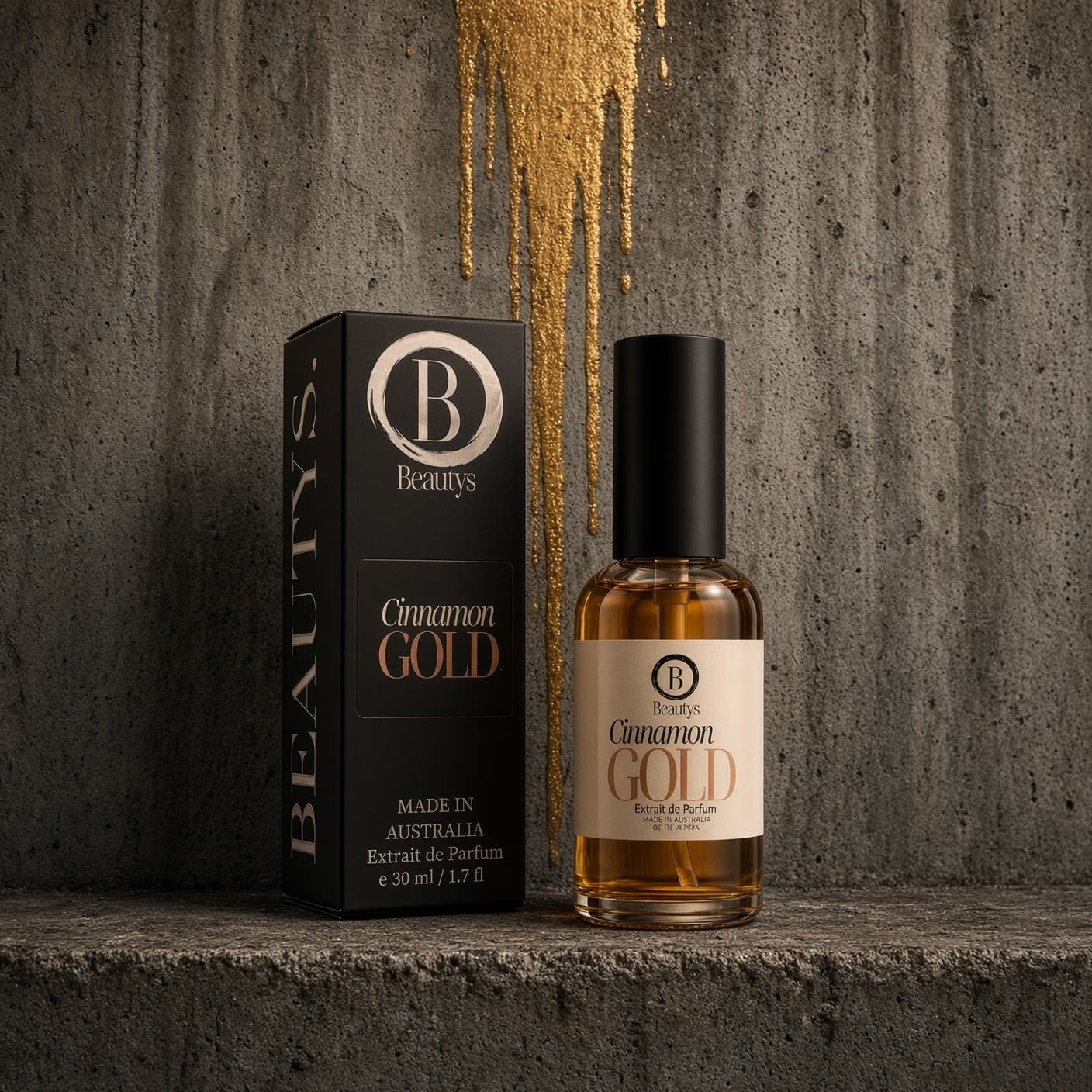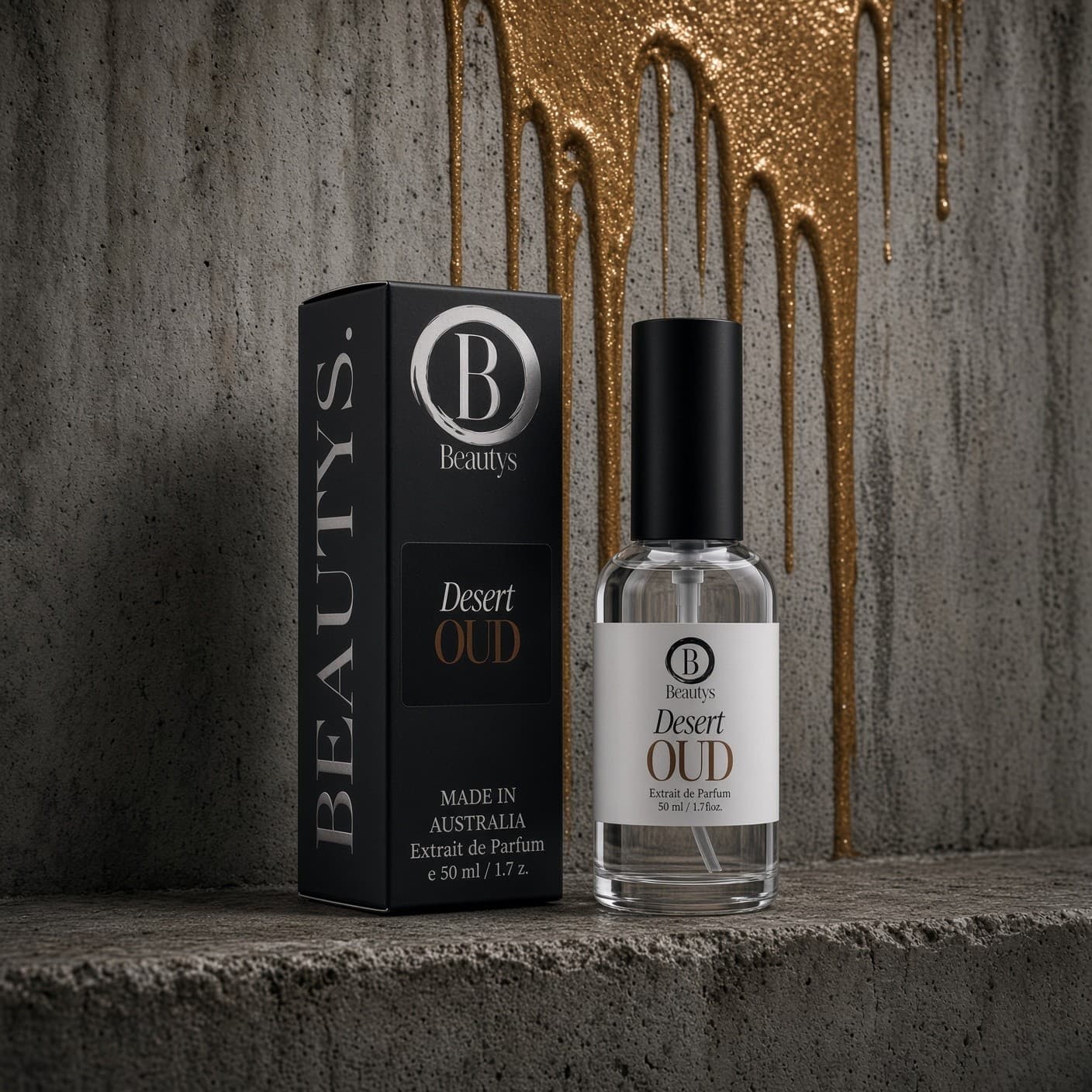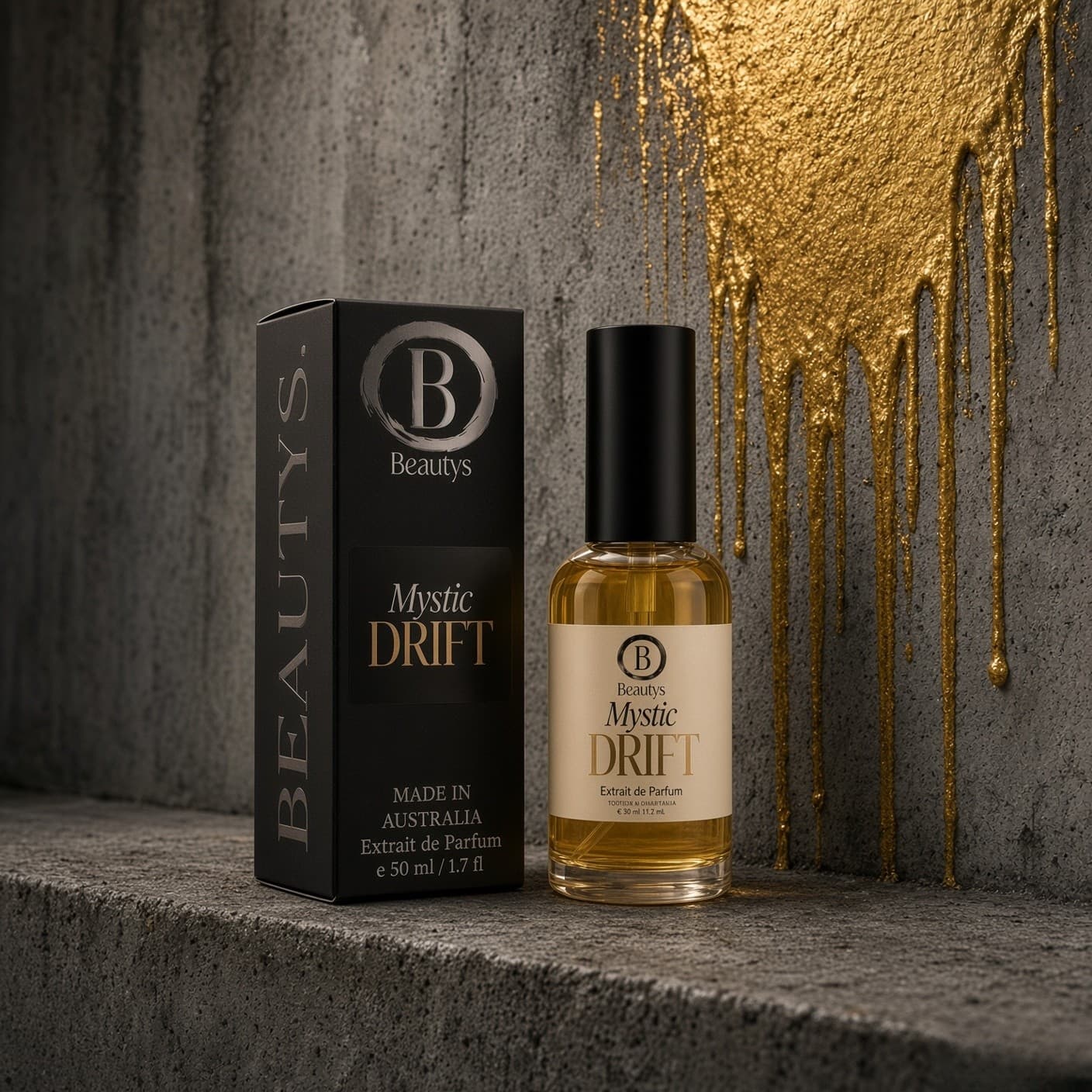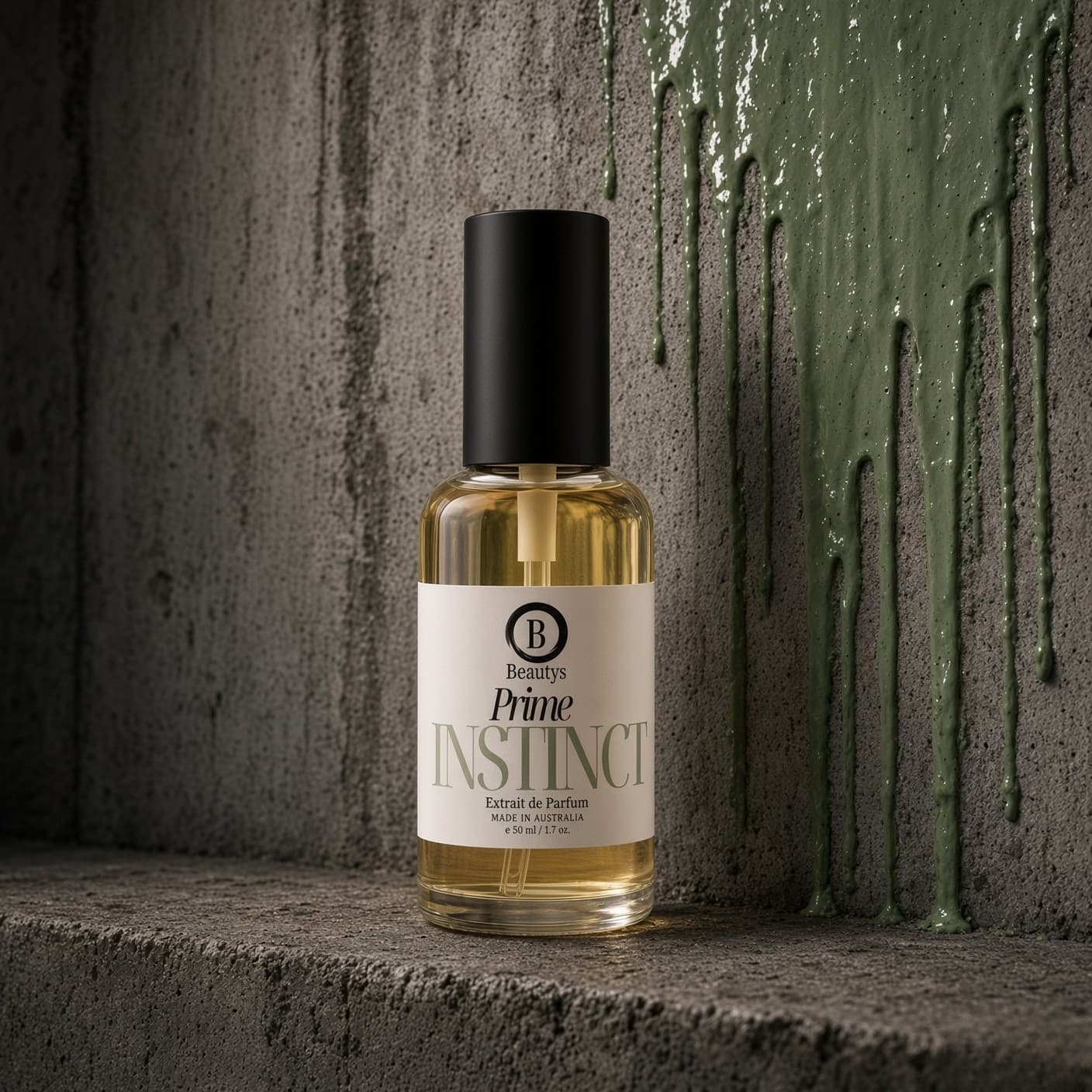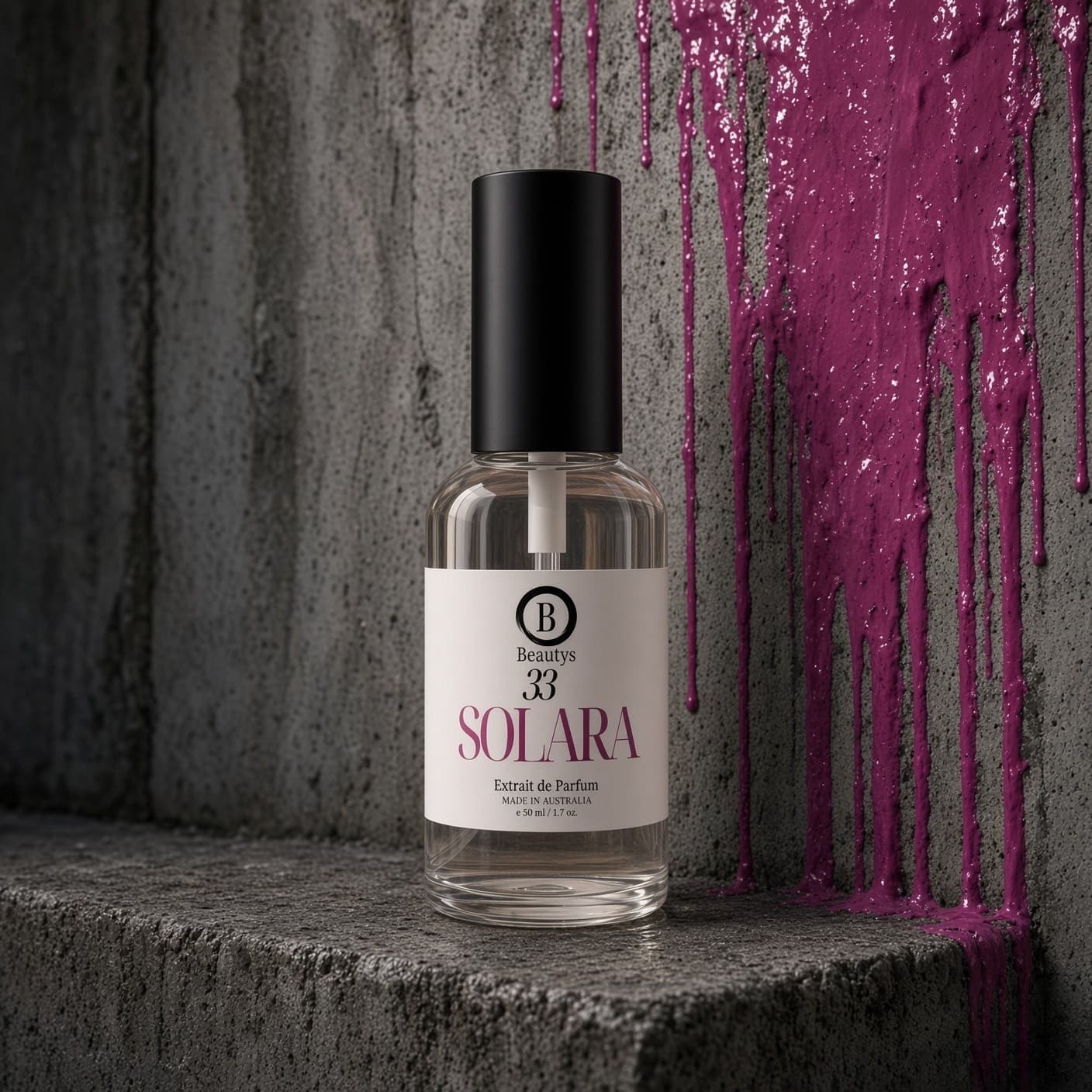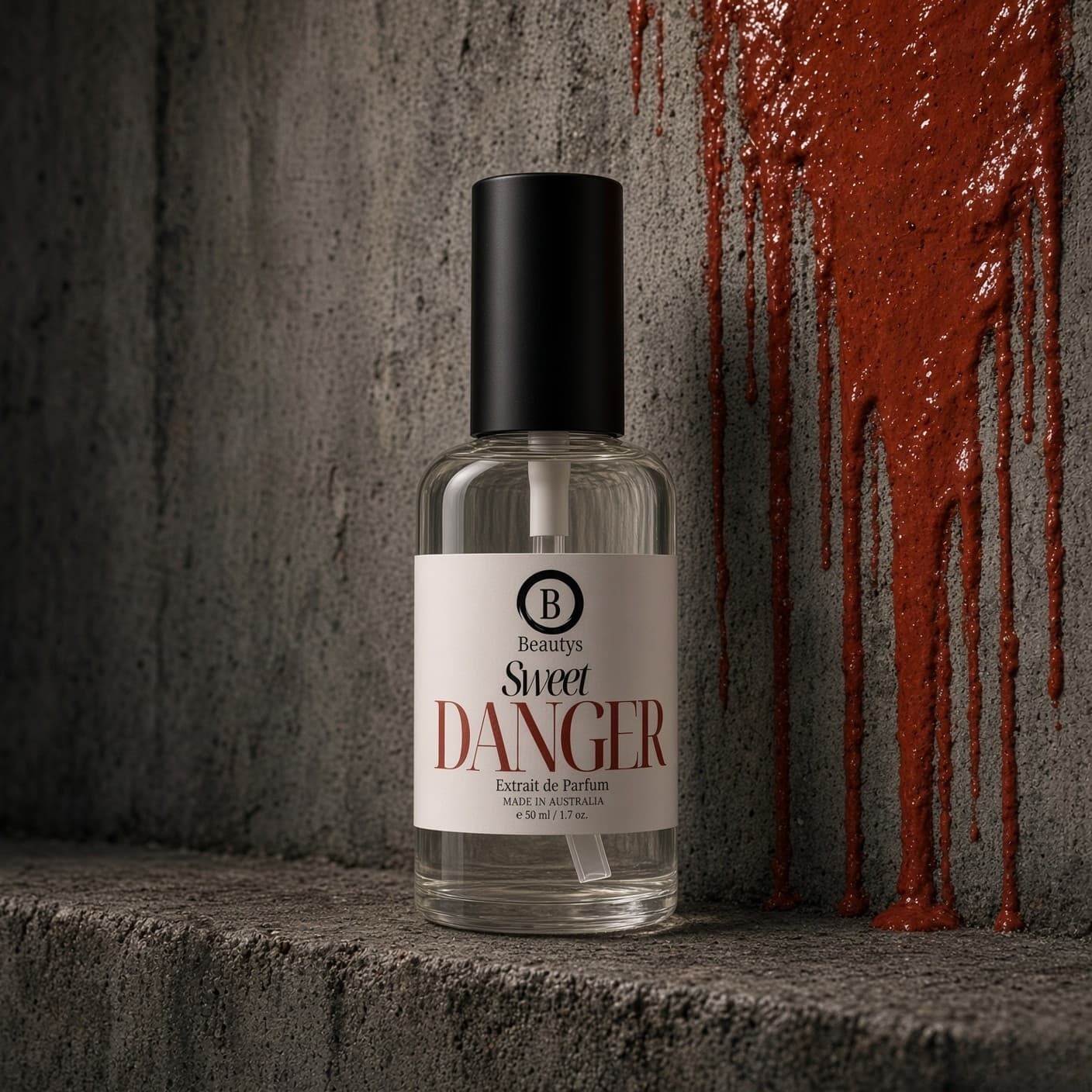
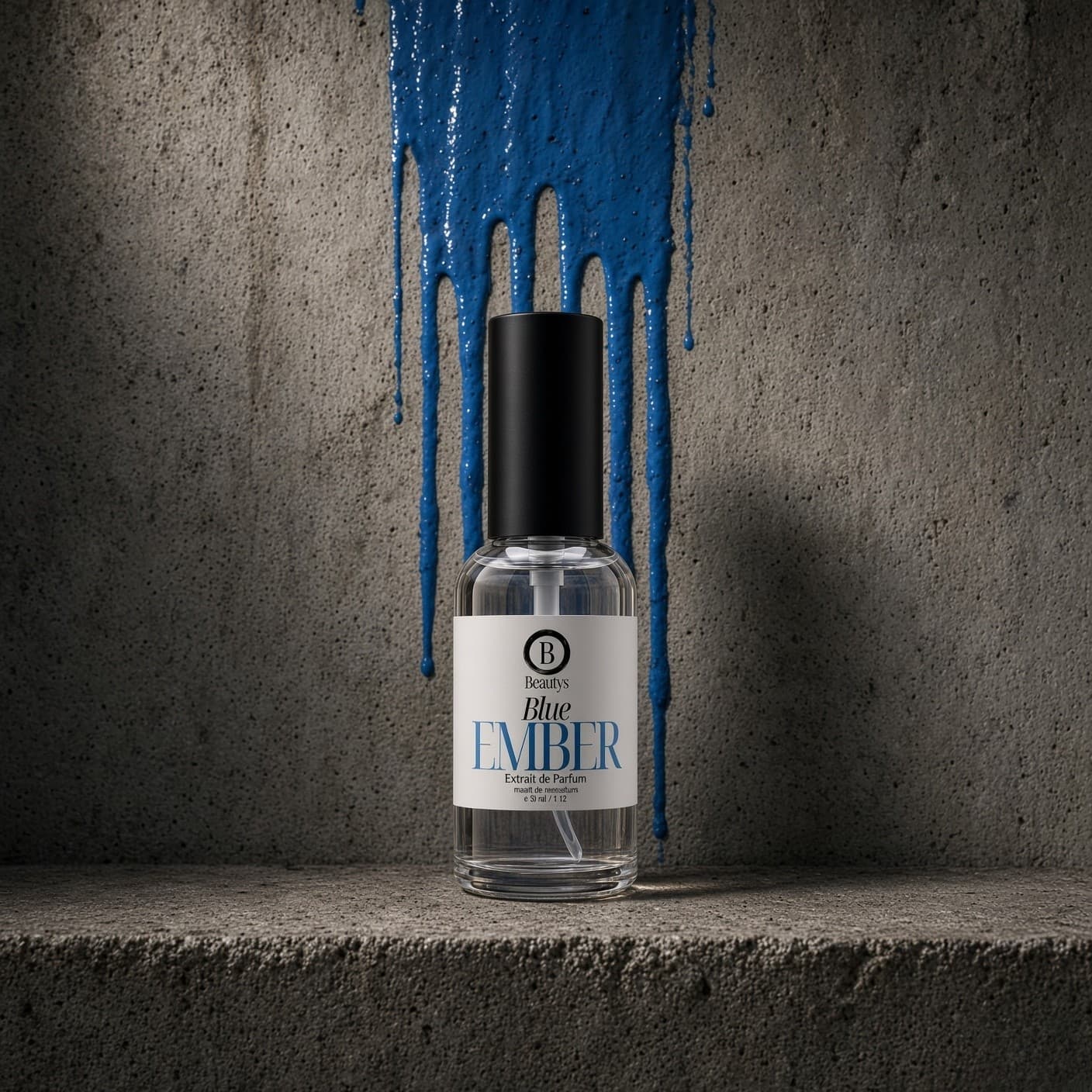
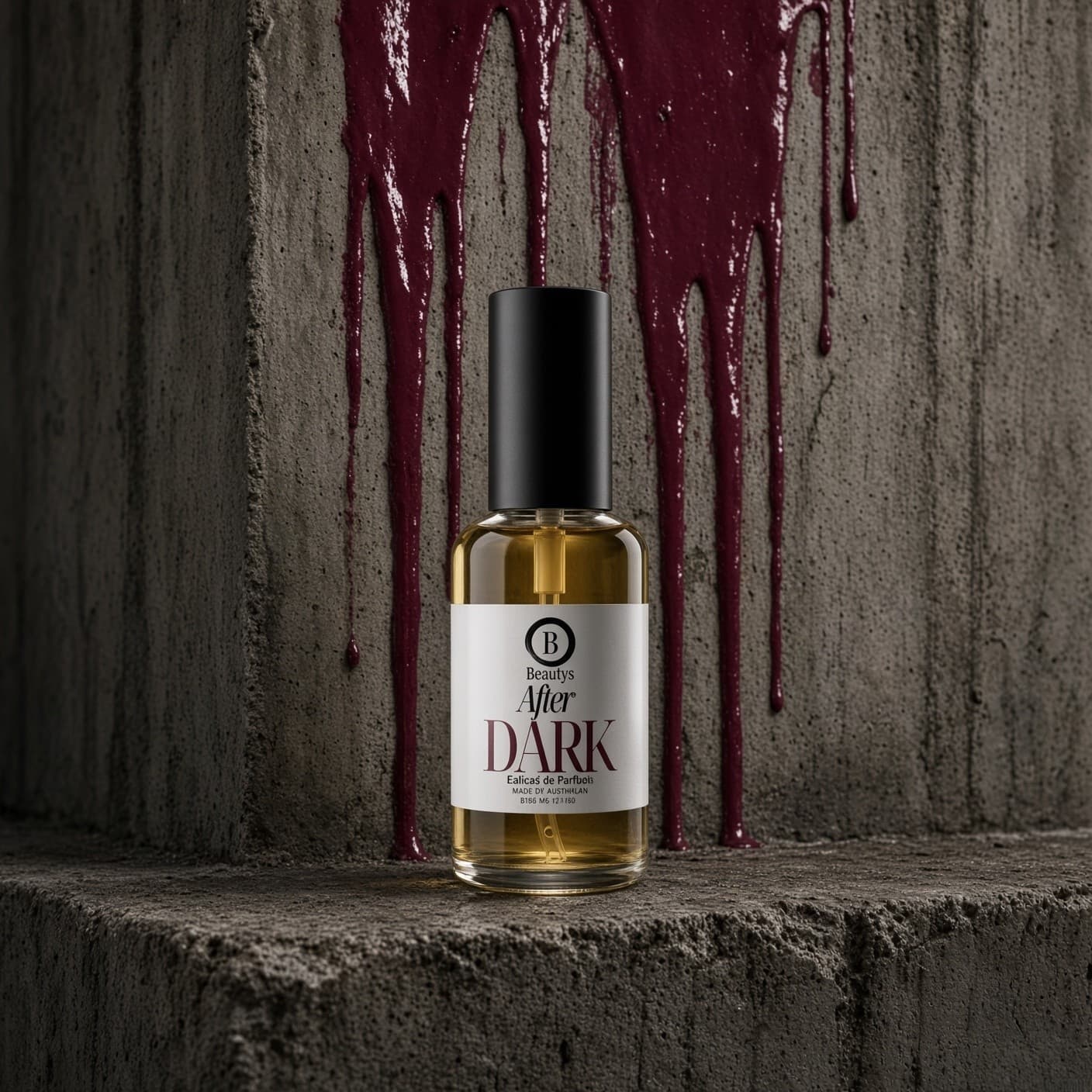
50 mL Extrait de Parfum · $35 AUD each
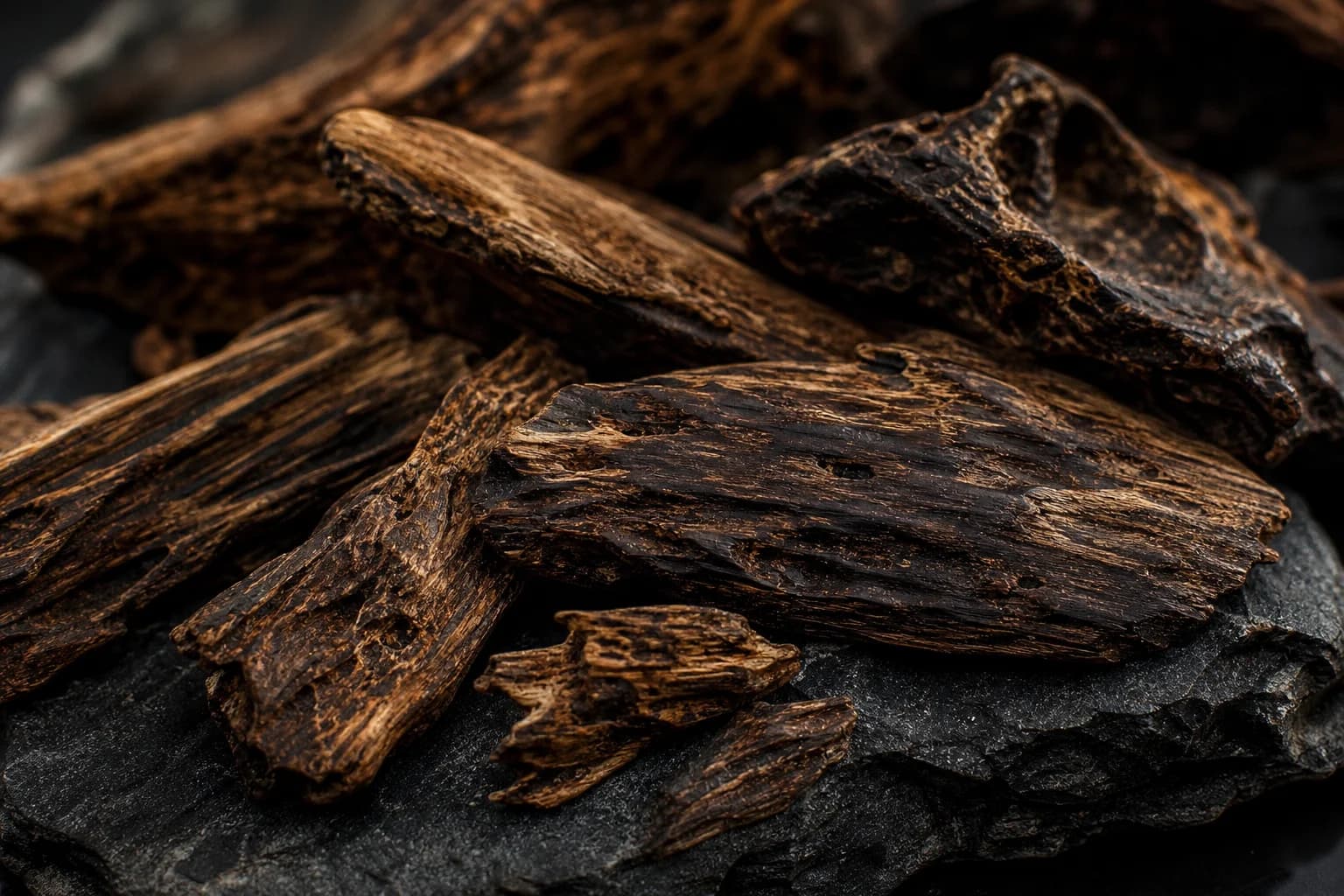
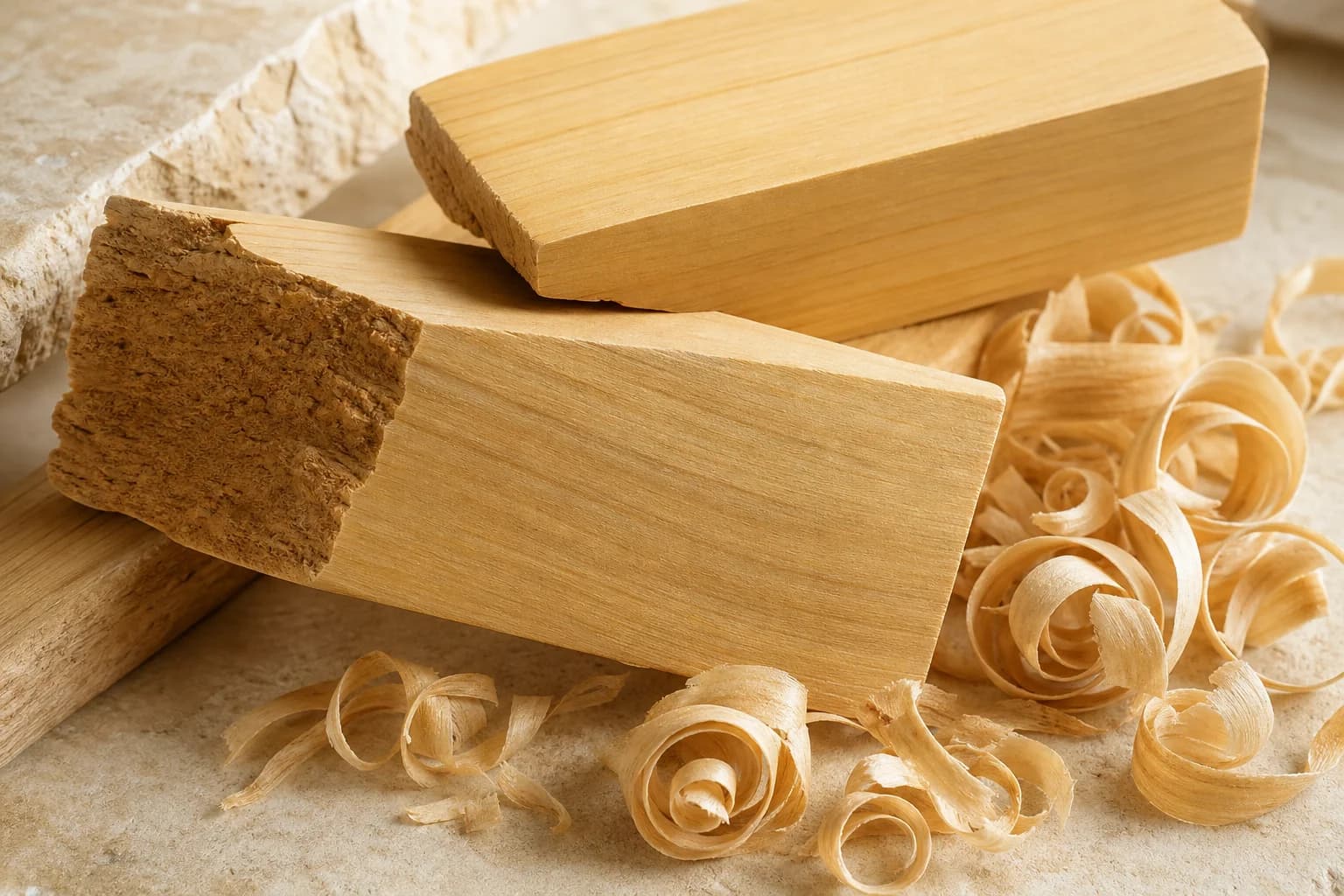
Pale golden sandalwood pieces and fine shavings on warm limestone

04 / Woods & Earth

The softer side of wood

Sandalwood, softly spoken.

Not every wood is sharp or smoky. Sandalwood brings a smoother language to perfume: creamy grain, gentle warmth and a texture that sits beautifully close to florals and skin.

The scent in three impressions

01

Creamy wood

A rounded, smooth texture with less of cedar’s pencil-shaving dryness.

02

Warm

Soft woody depth, sometimes with a delicate balsamic sweetness.

03

Textural

A polished, enveloping effect rather than the smell of freshly cut timber alone.

Field notes / 01

What does sandalwood smell like?

Sandalwood is often described as creamy, smooth and softly woody. Creamy here is a texture word: it does not necessarily mean coconut milk, vanilla or a sugary scent. Some interpretations have a milky softness; others feel drier, spicier or more aromatic. It can create depth without the overt smoke or resin associated with certain darker woods.

The easiest comparison is with cedar. Cedar commonly suggests dry shavings or a freshly sharpened pencil, while sandalwood often feels rounder and more continuous. Neither comparison is universal. Natural material variation and the perfumer’s chosen blend can change the result substantially.

Field notes / 02

Natural sandalwood and modern interpretations

Natural sandalwood oil is obtained from aromatic wood associated with Santalum species. Santalum album and Australian Santalum spicatum are two important examples, with different olfactory profiles. The tree species, growing conditions and processing all influence the material; Australian sandalwood should not be assumed to smell identical to every other sandalwood oil.

Perfumers also work with aroma materials that evoke particular sandalwood facets. These can be combined with natural oil or used in a constructed accord. A note labelled sandalwood, including Australian sandalwood, is a scent description unless the maker separately confirms the formula and source. It does not by itself establish certification, species or sustainability claims.

Field notes / 03

A bridge between flowers and the dry down

Sandalwood is useful when a perfume needs a soft woody frame rather than an abrupt, dry edge. It can support jasmine and other florals, round out spices, or meet vanilla in a creamy base. Alongside papyrus, leather or cedar, its smoothness may be more noticeable precisely because the surrounding notes are drier.

For shoppers in Australia, sandalwood offers a useful way into woody perfumes without assuming a masculine or feminine category. Look at the entire composition: a floral sandalwood, a vanilla sandalwood and a dry leather-and-wood fragrance will feel quite different. Let the scent settle on skin before judging its softer details.
Close-up: pale golden sandalwood pieces and fine shavings on warm limestone
A study in grain and texture, reflecting sandalwood’s smooth woody character.

The composition notebook

Where it belongs.

Heart to base

Sandalwood often supports the heart and remains part of the woody dry down. Perfumers can make it perceptible from the first spray; note placement varies with the formula.

Natural conversations

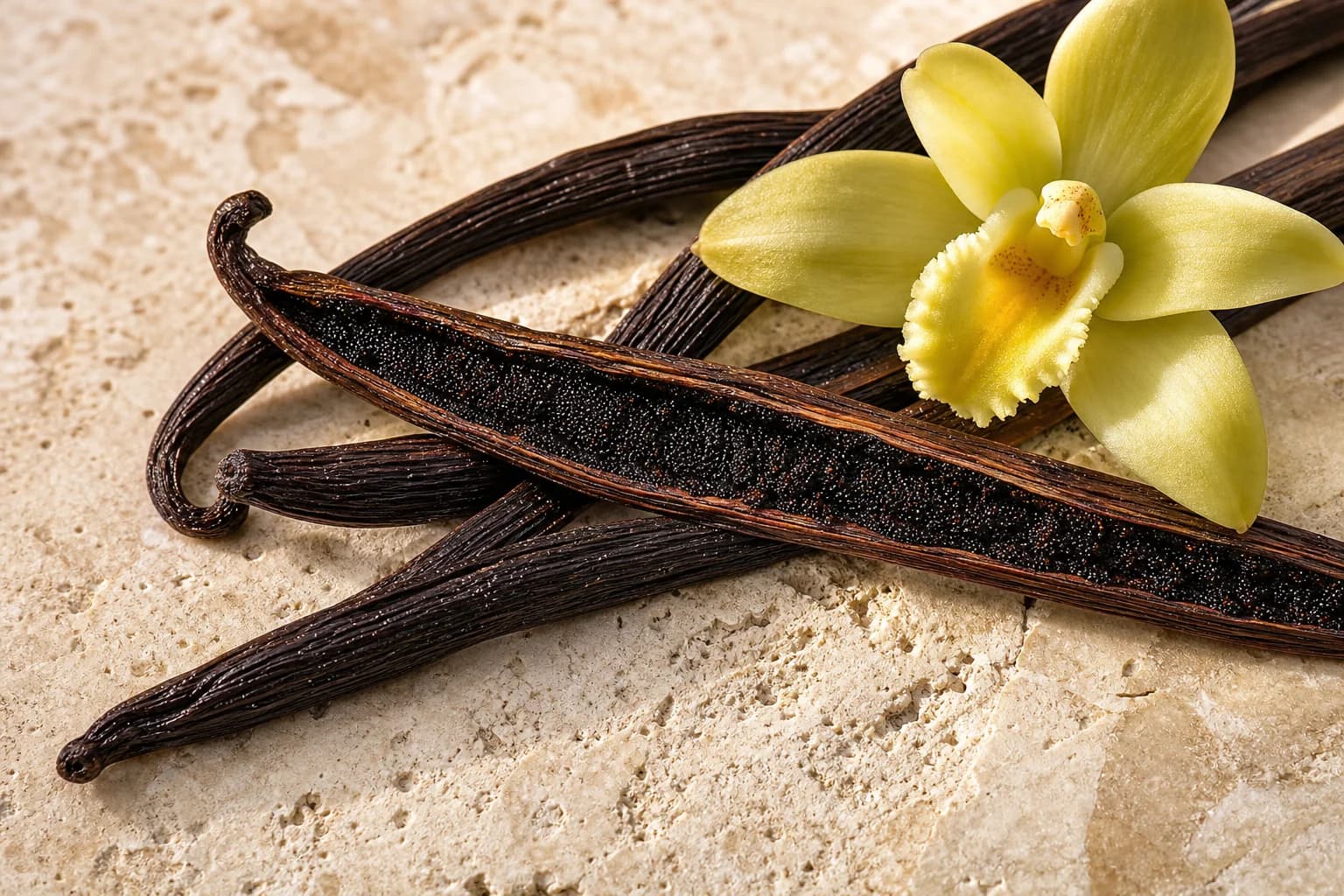
Vanilla ↗

Creamy warmth that can be softly sweet rather than overtly sugary.

Bergamot ↗

Bright, gently bitter citrus provides a clear opening over the woods.

Iris & jasmine

Powdery or luminous floral facets gain a smoother woody foundation.

From the guide to your skin

Discover sandalwood at Beautys.

9 fragrances with a recorded sandalwood note

Matched to the fragrance notes in our current catalogue, not to a product’s name. A listed note describes a scent impression; it does not confirm the use of a natural extract.

Explore 5 more matching fragrances

A little more clarity

Your sandalwood
questions, answered.

Does sandalwood smell like vanilla?

They can share a soft warmth, but sandalwood is primarily woody. Vanilla usually brings a more recognisably sweet, balsamic impression. A perfume may use both to create a creamy effect.

What is Australian sandalwood?

The term commonly refers to Santalum spicatum, although commercial descriptions need to be checked for exact species and origin. Its oil can differ from Santalum album. A note list alone does not verify sourcing.

Is sandalwood a base note?

Often, yes. It also appears in heart-note descriptions and can be noticeable from the opening. Note pyramids simplify a continuous composition rather than marking exact release times.

Is sandalwood only used in men’s perfume?

No. Sandalwood appears in fragrances across all gender labels. Choose by the surrounding florals, spices, musks or sweet notes and the overall scent you enjoy.

Your bag.

0 items · Your fragrance edit