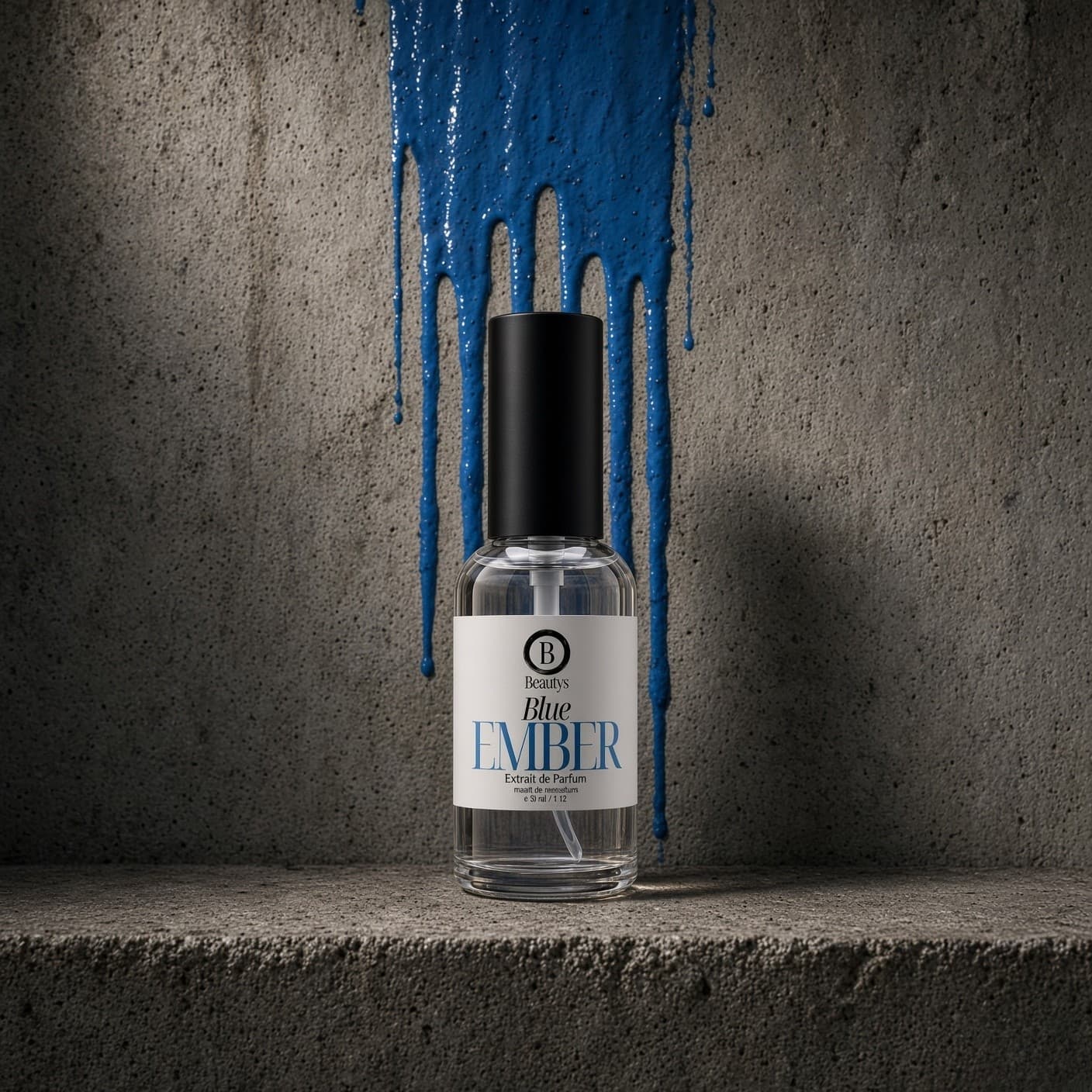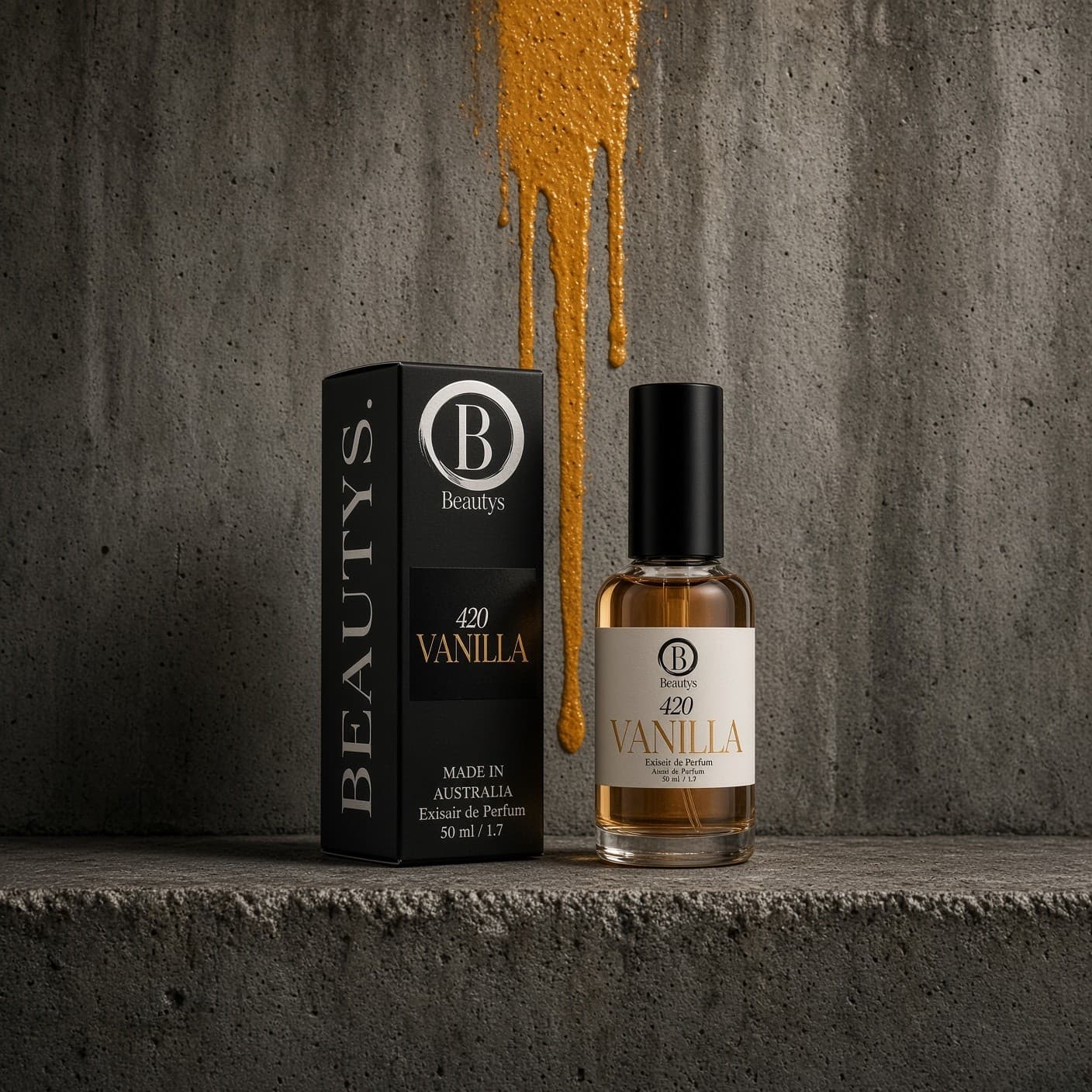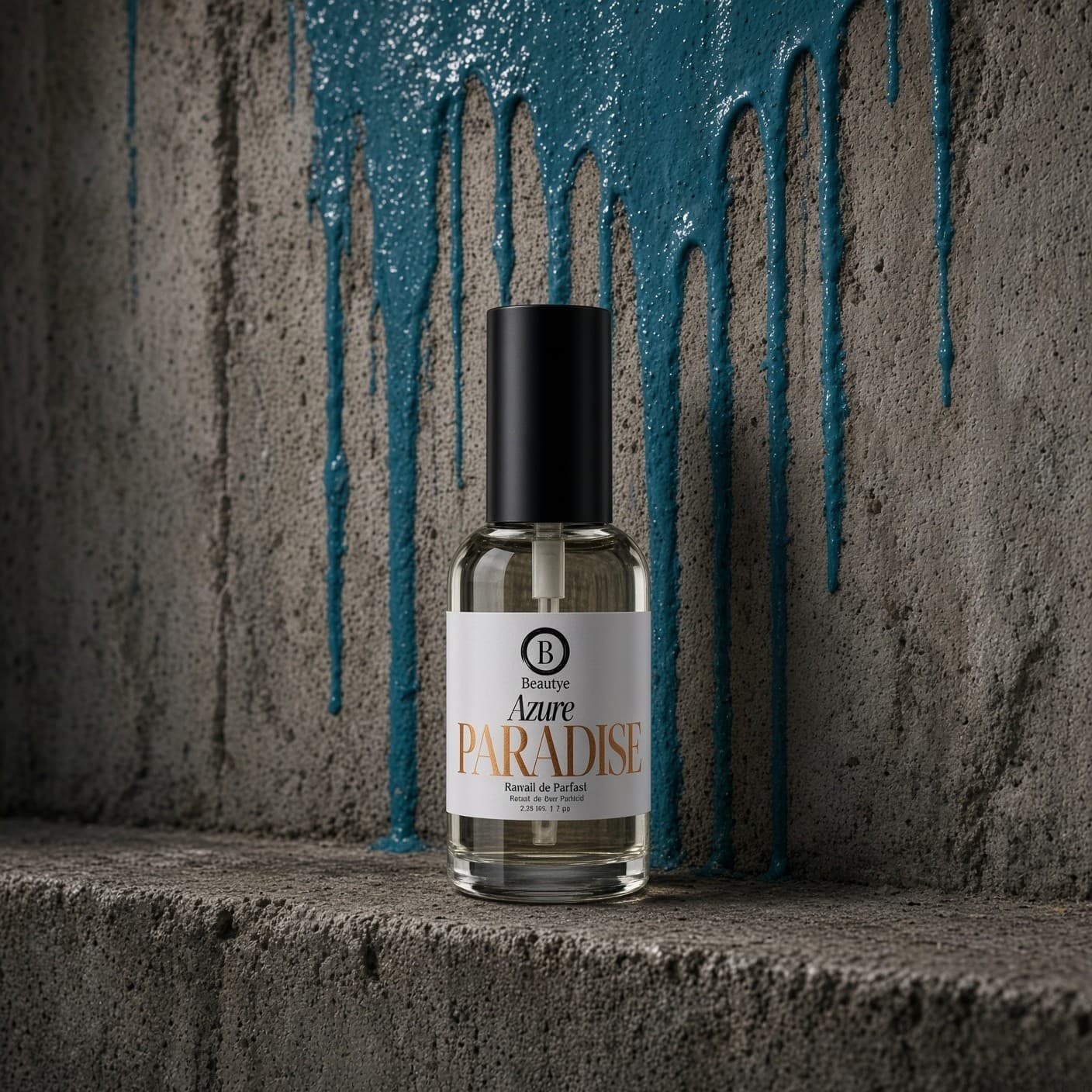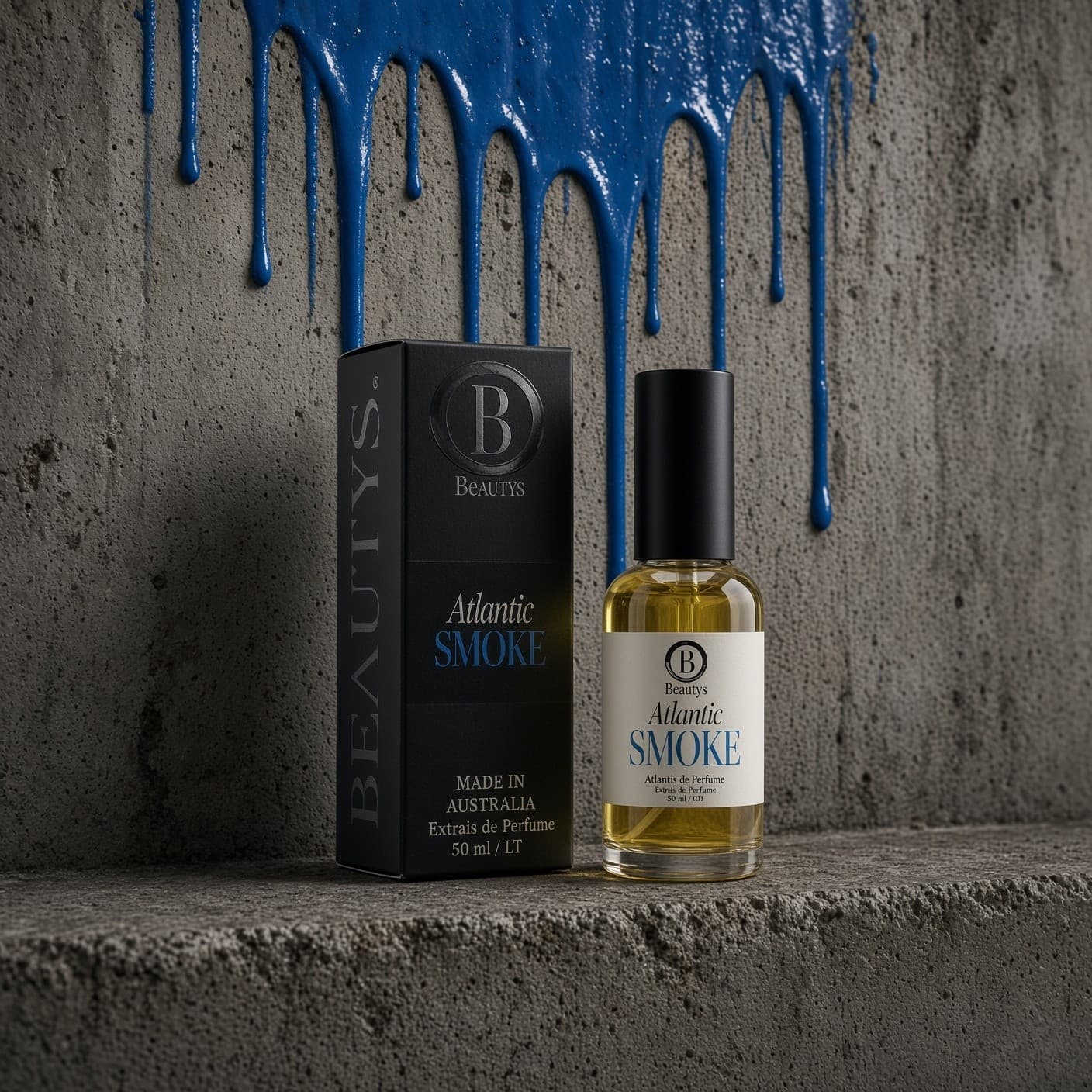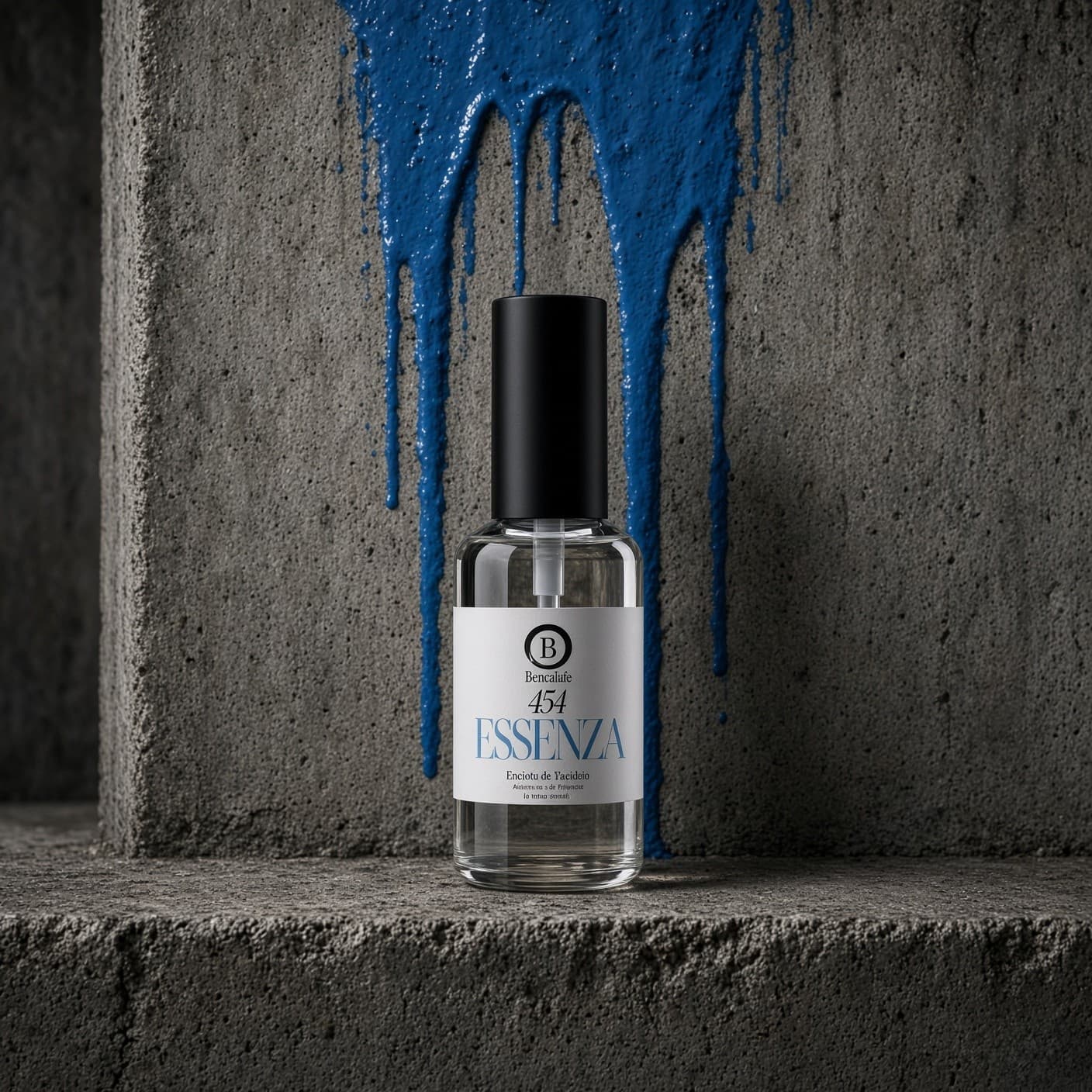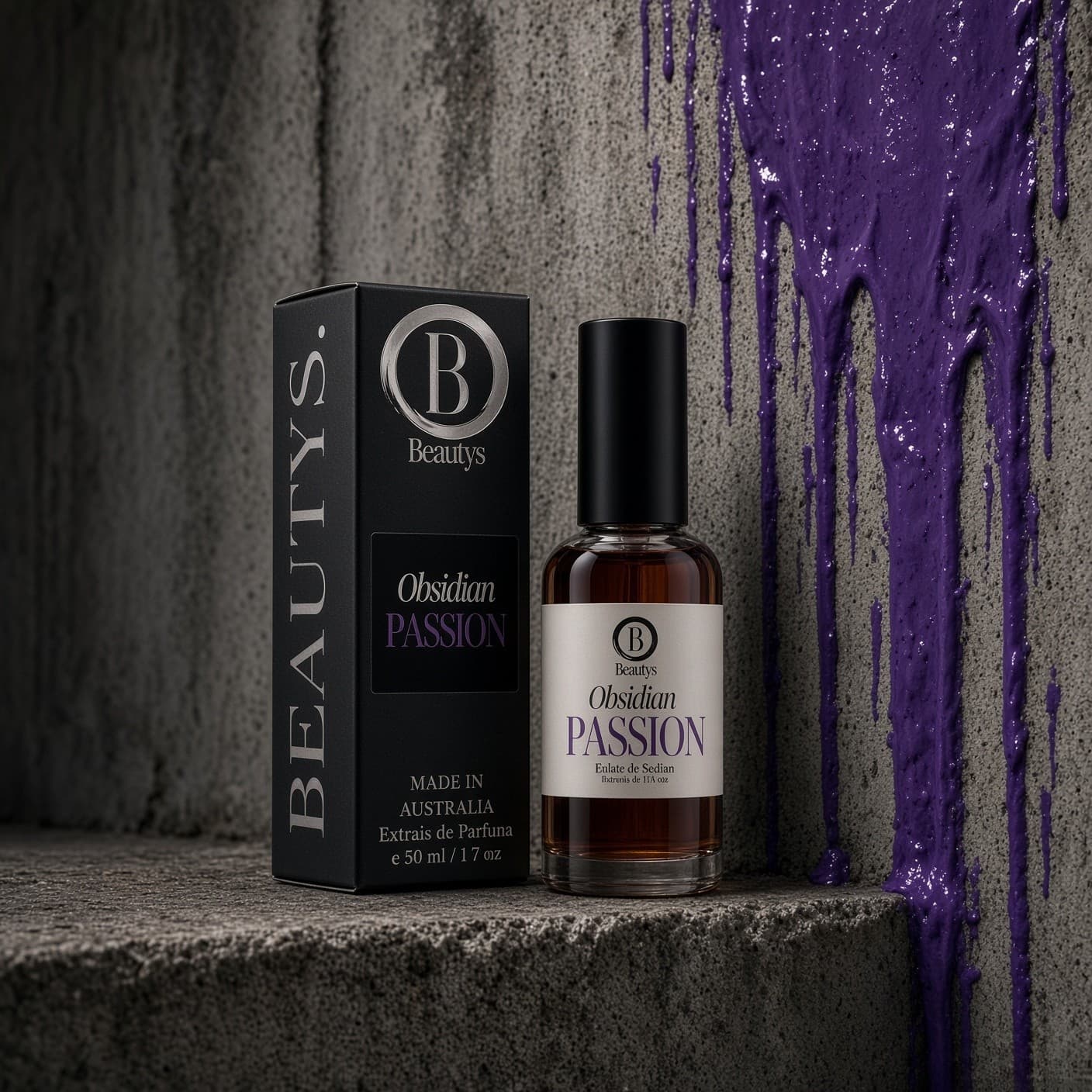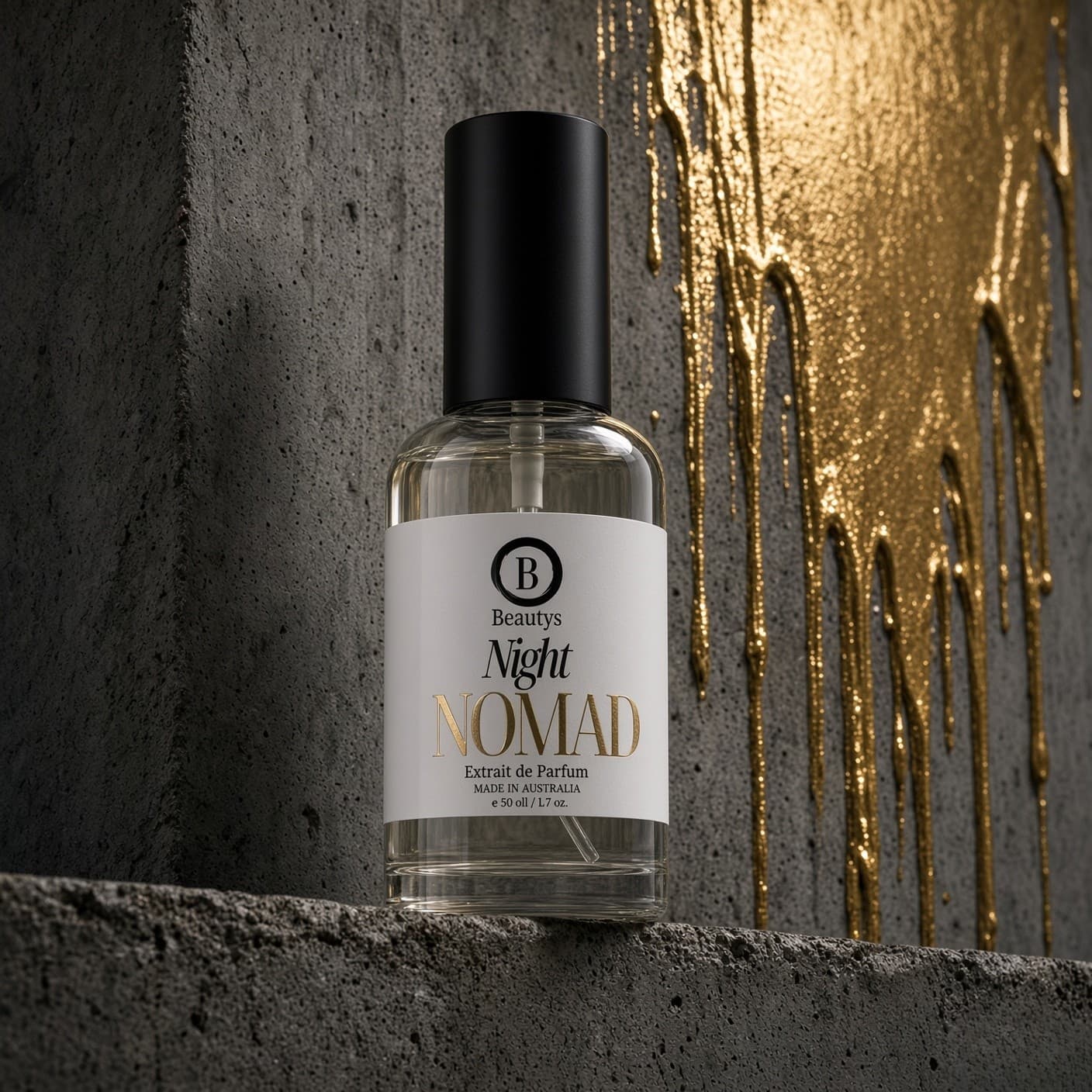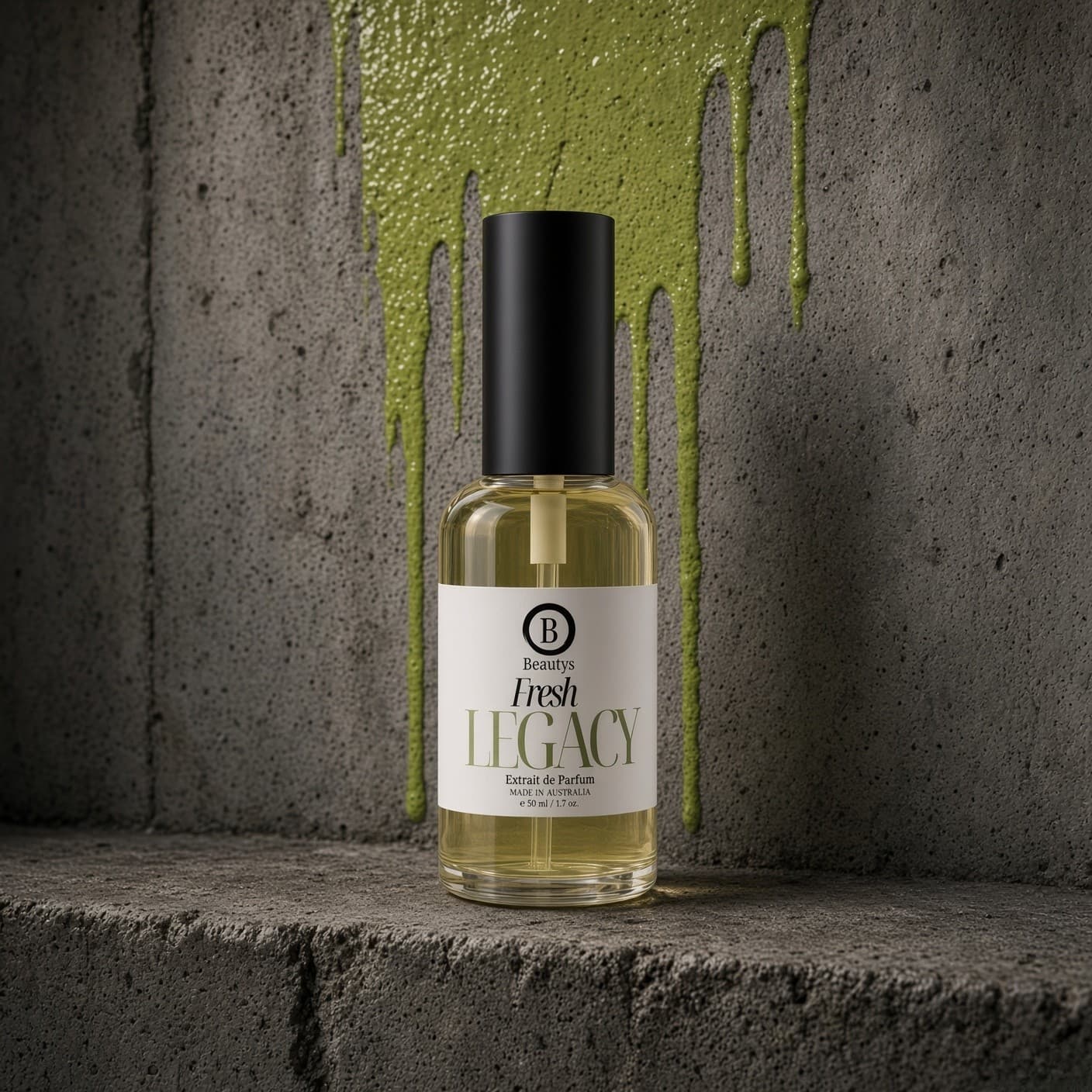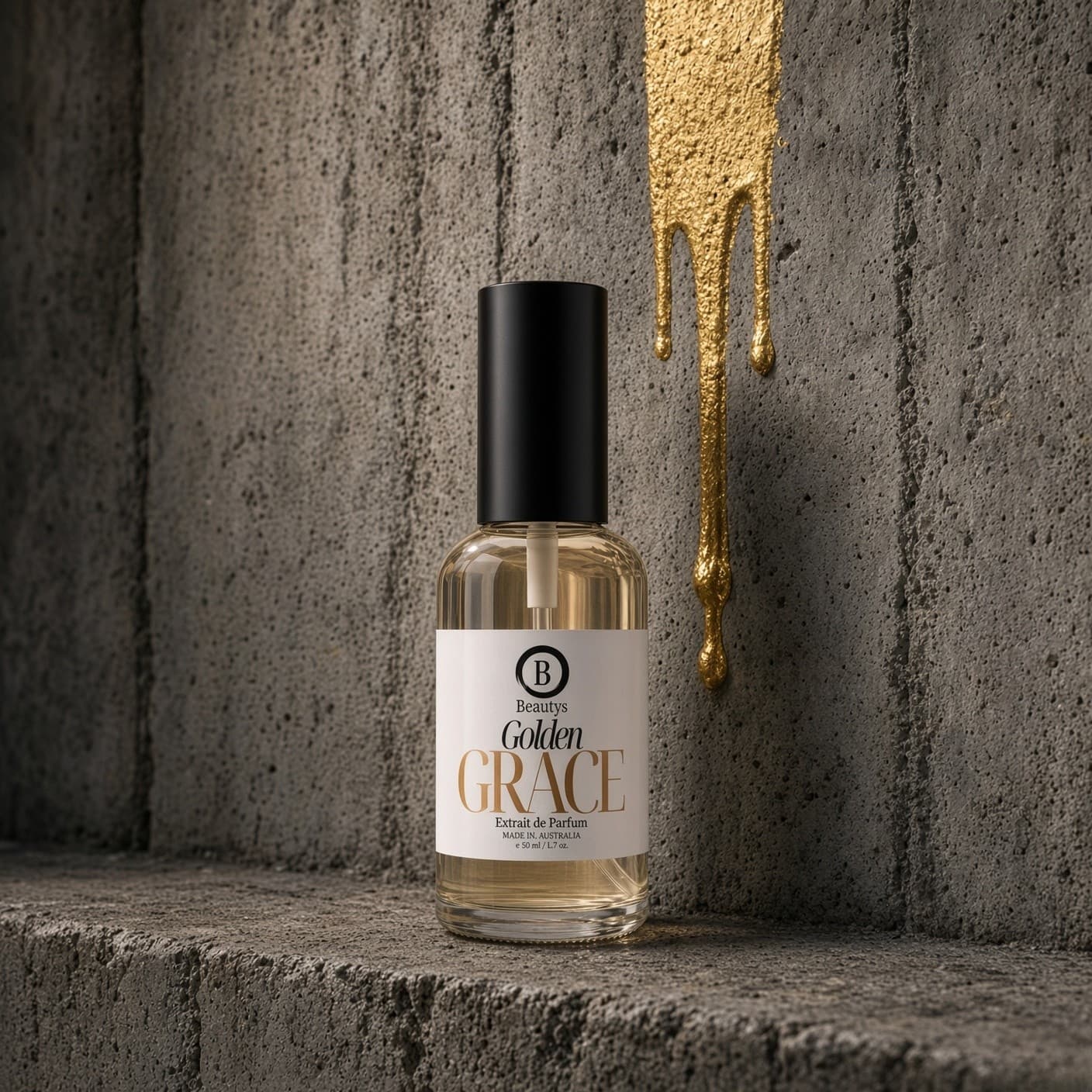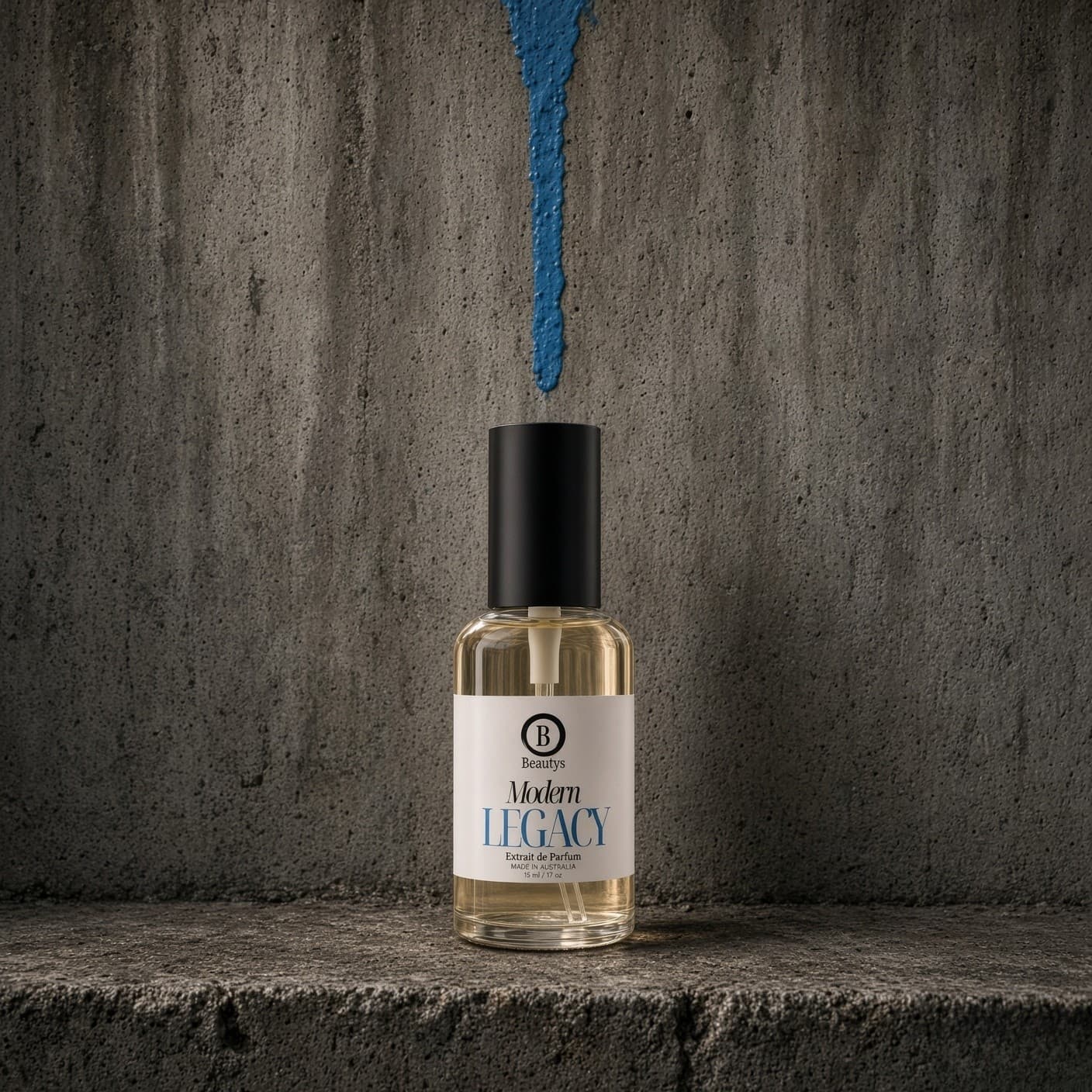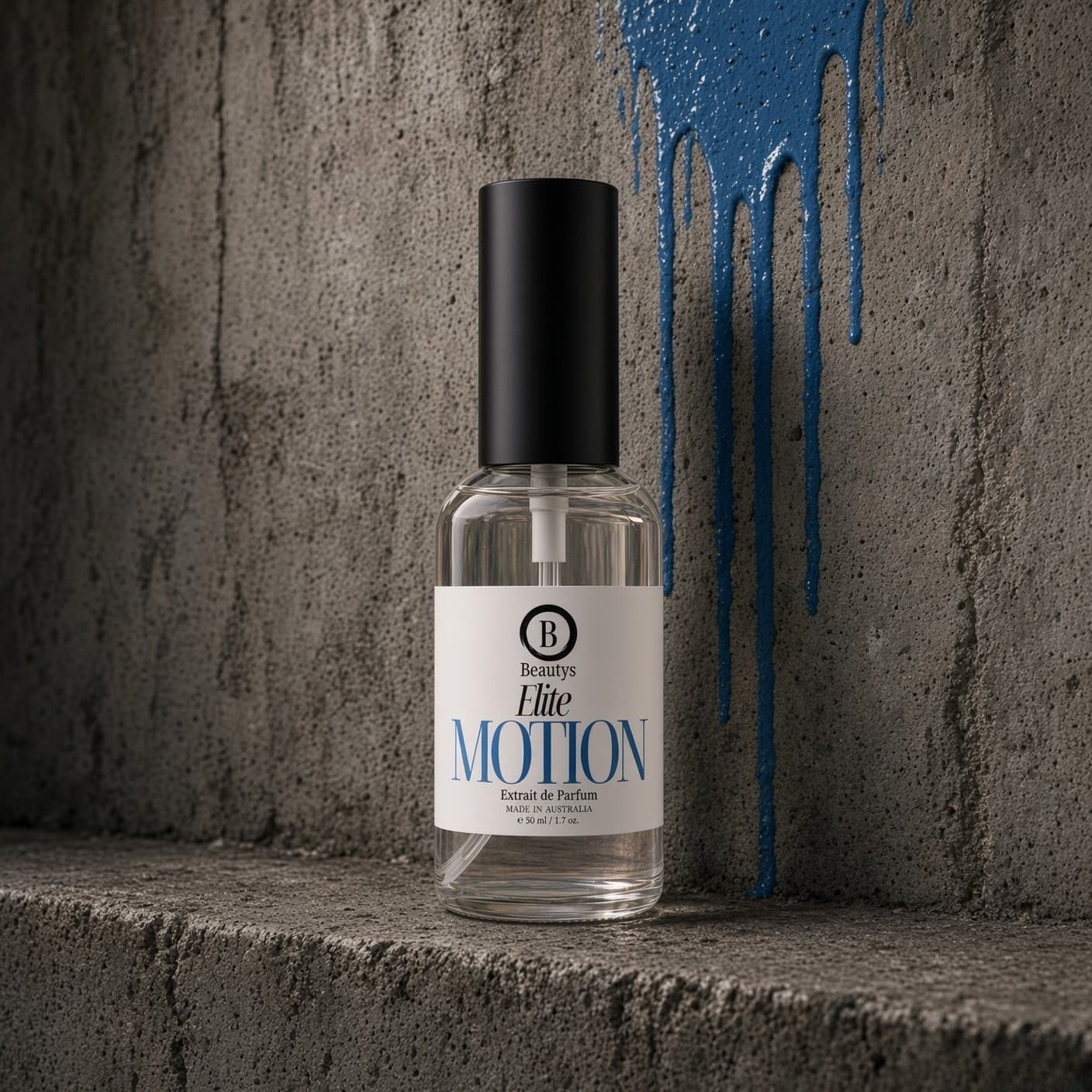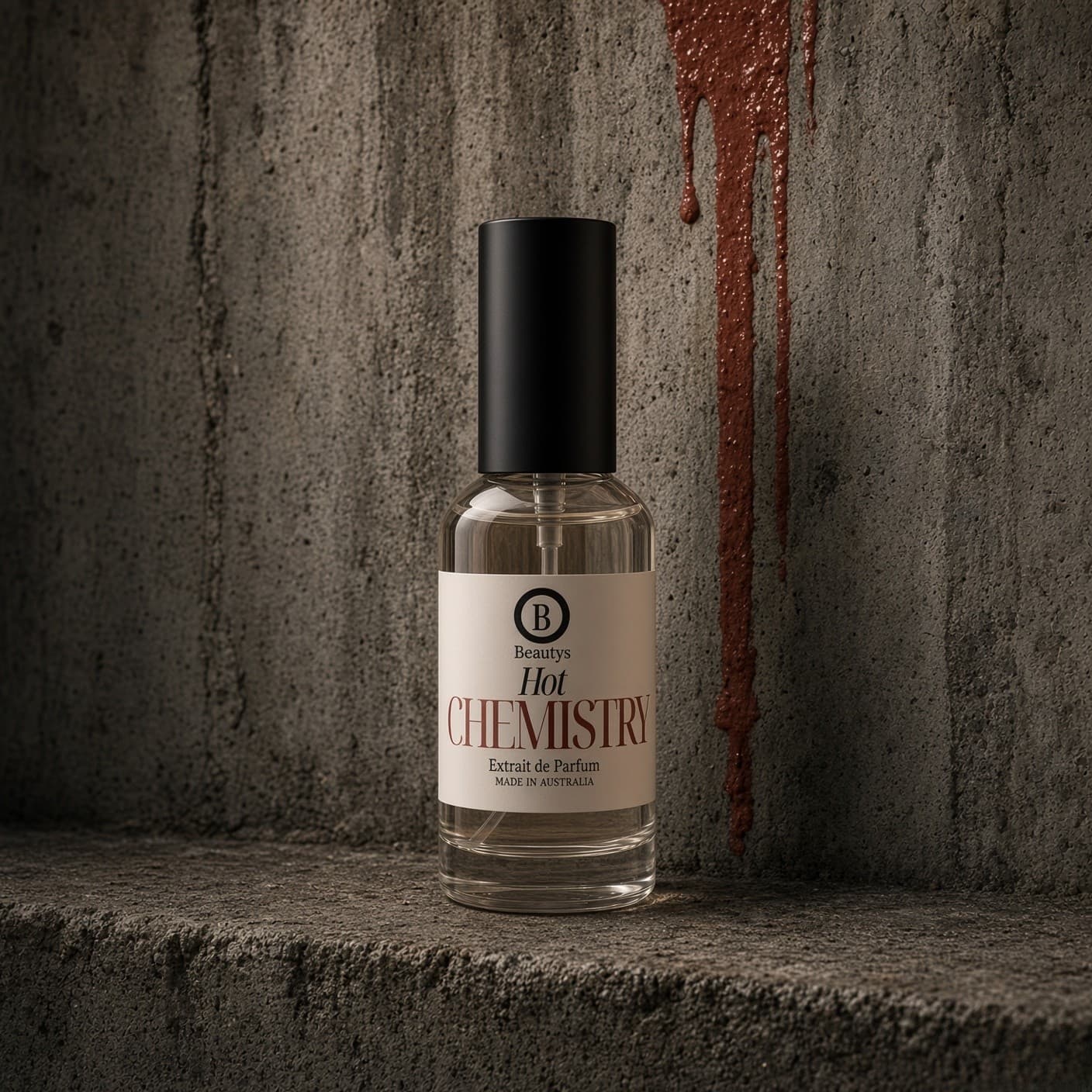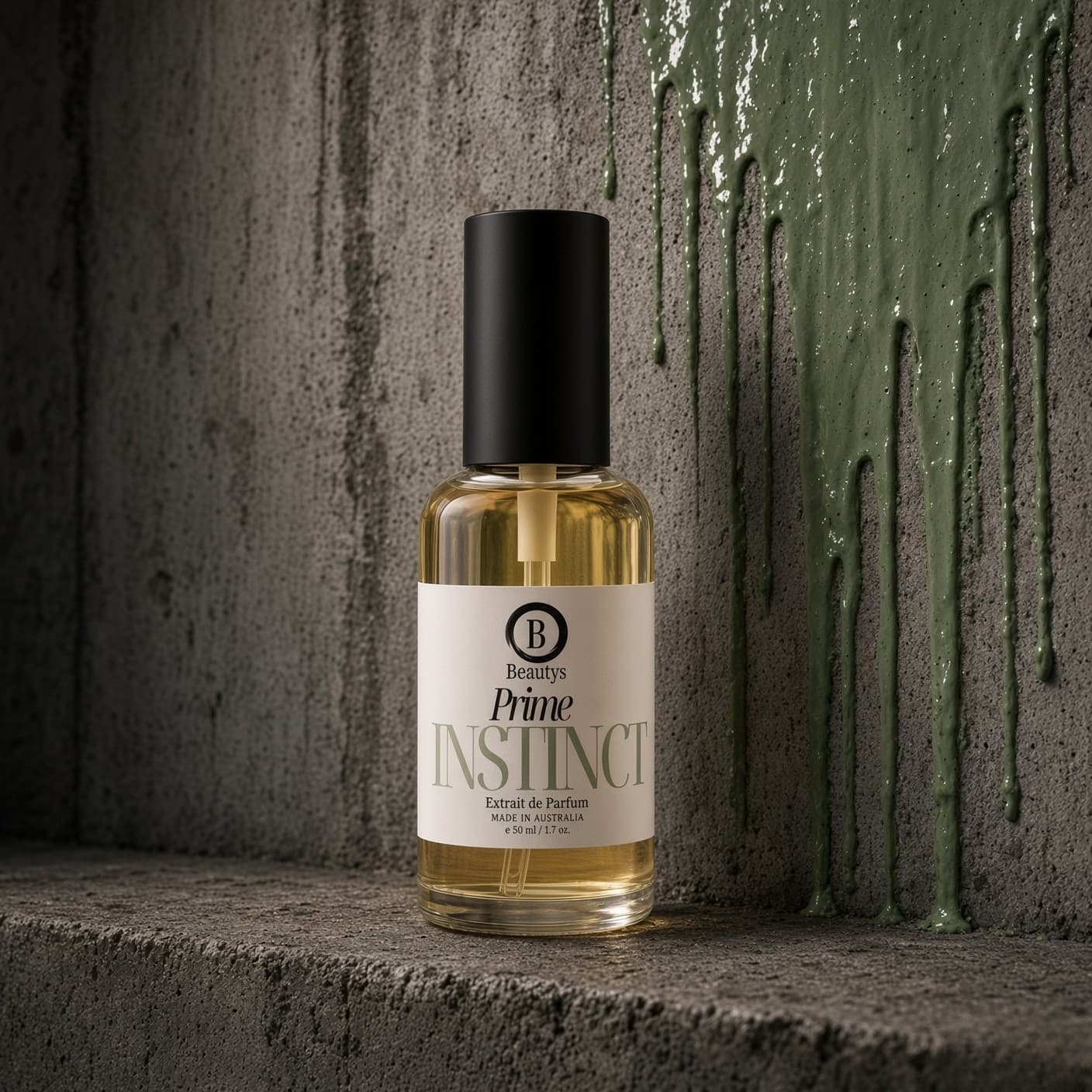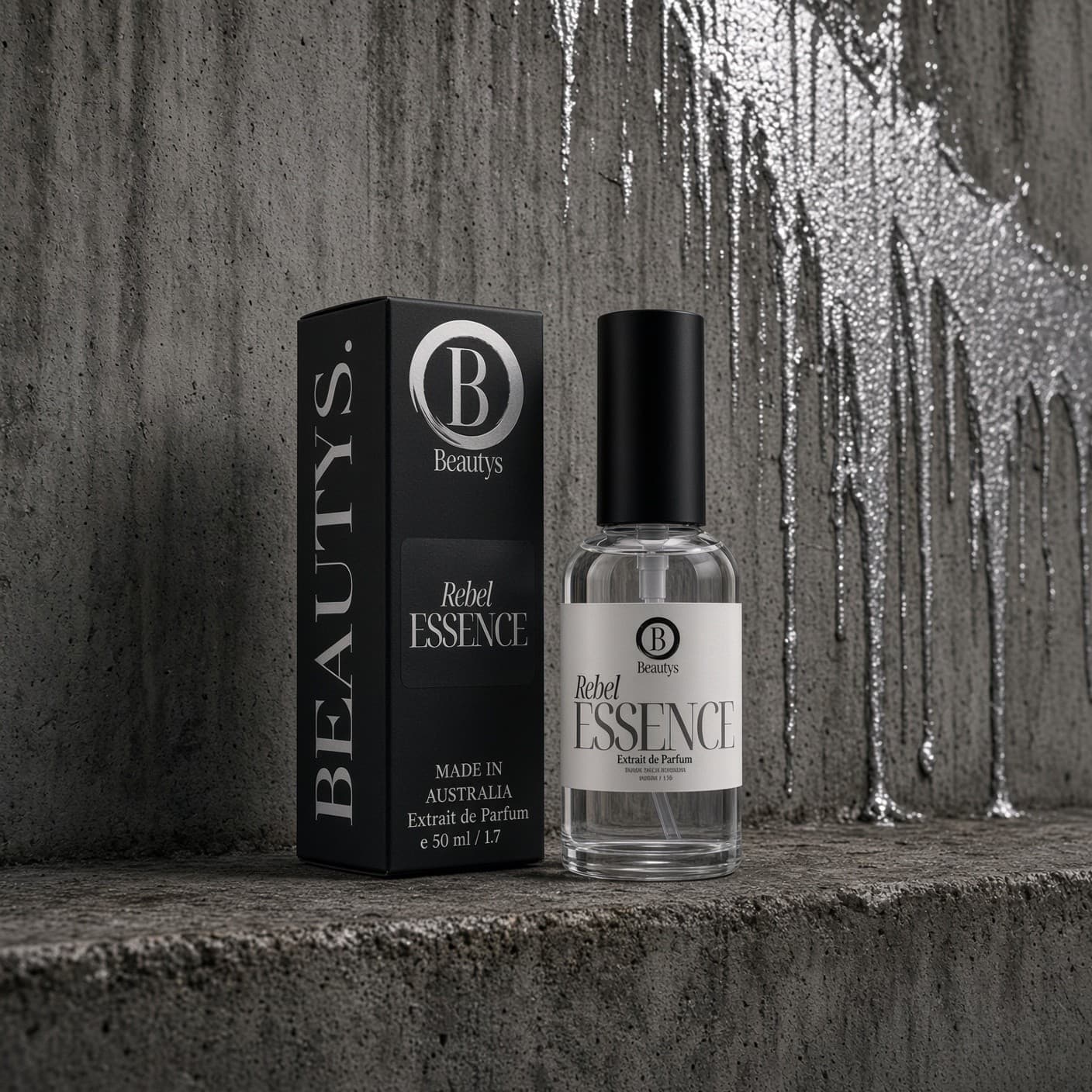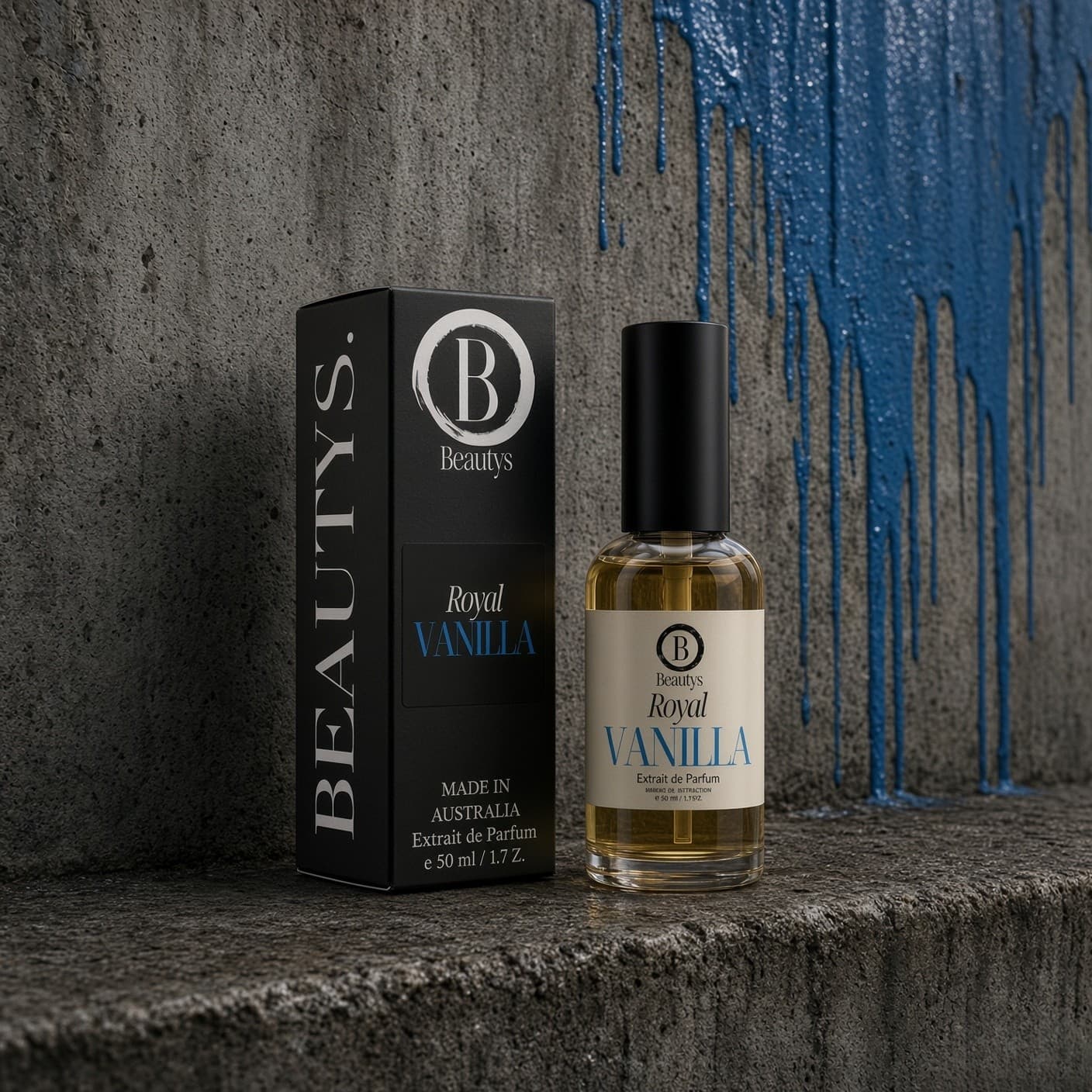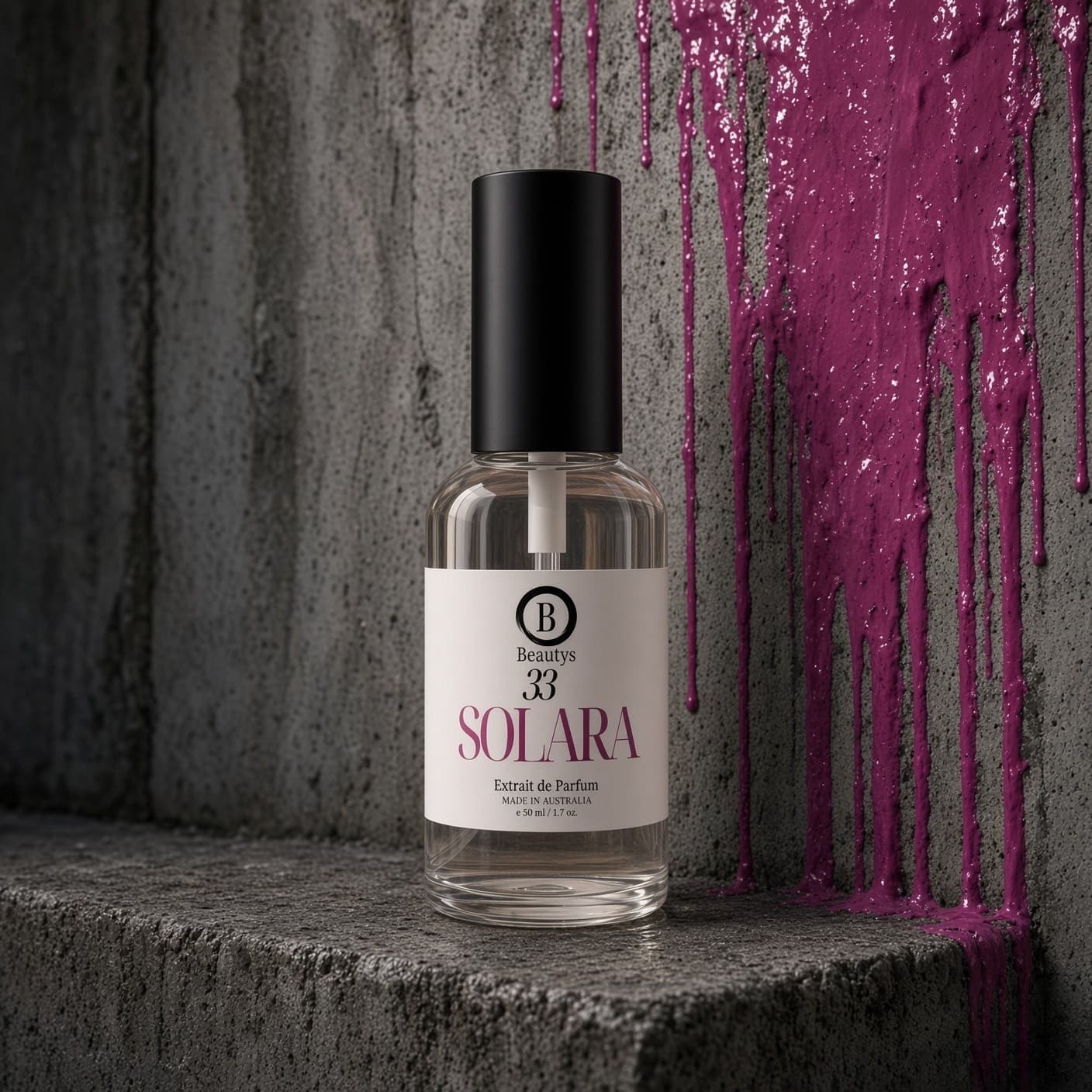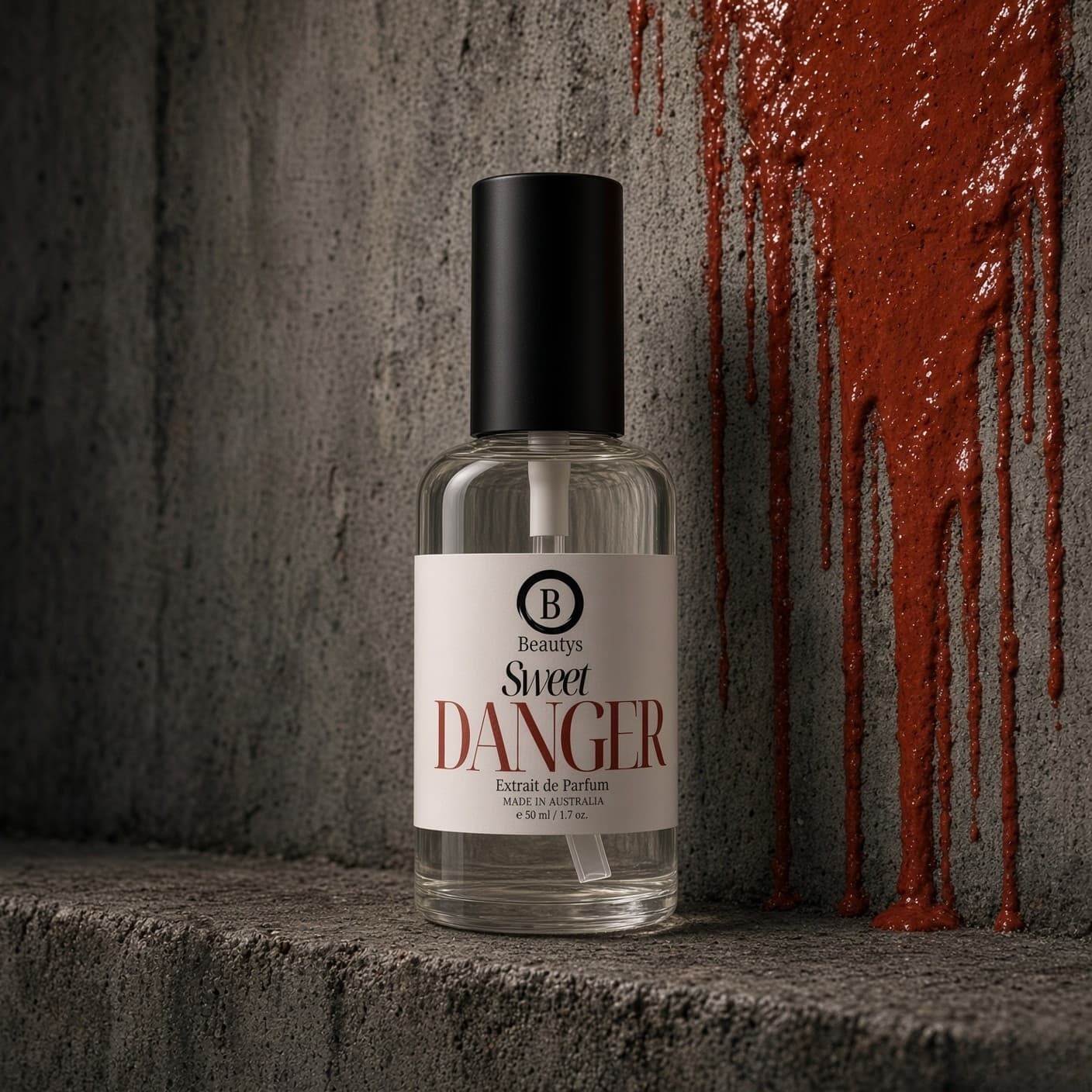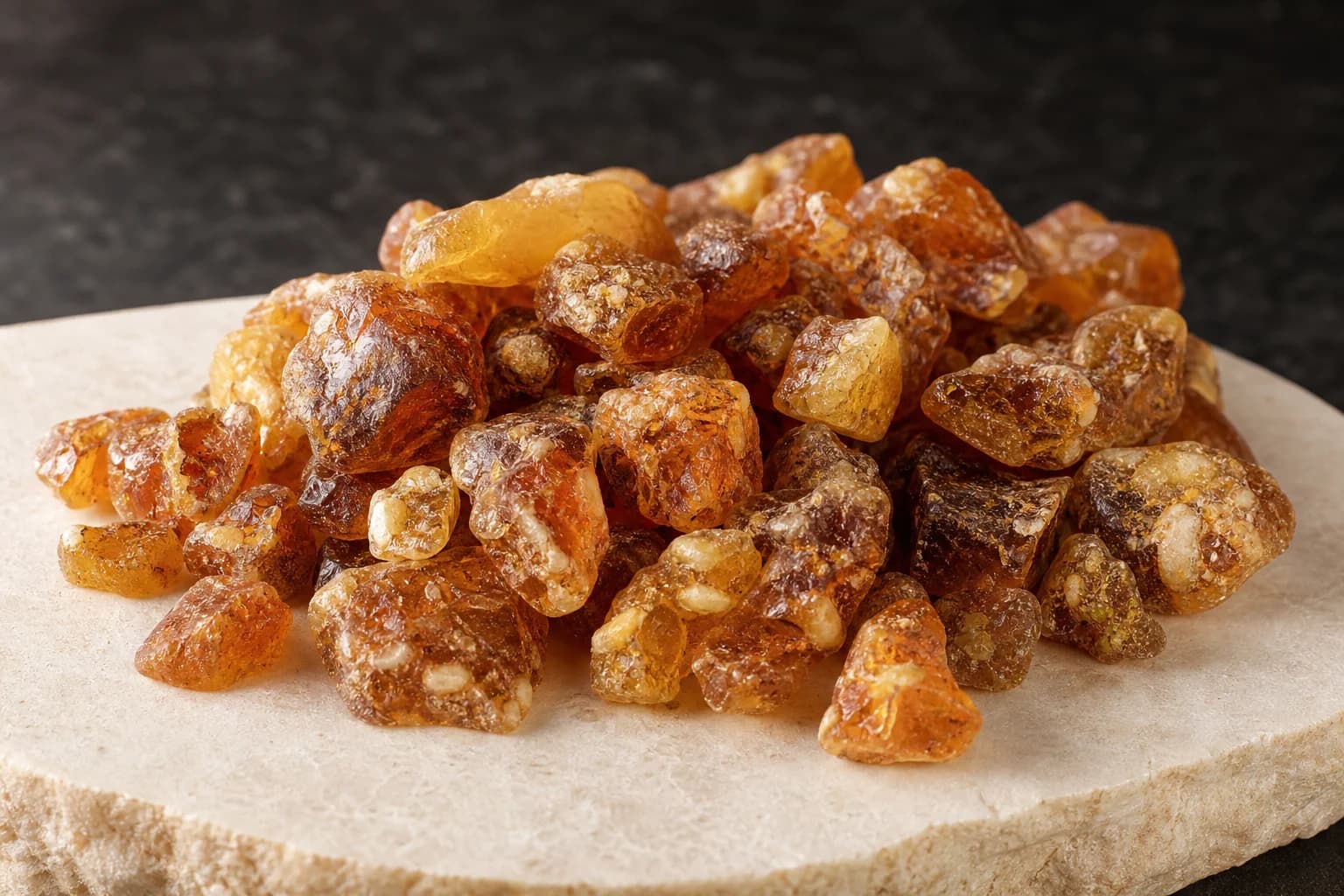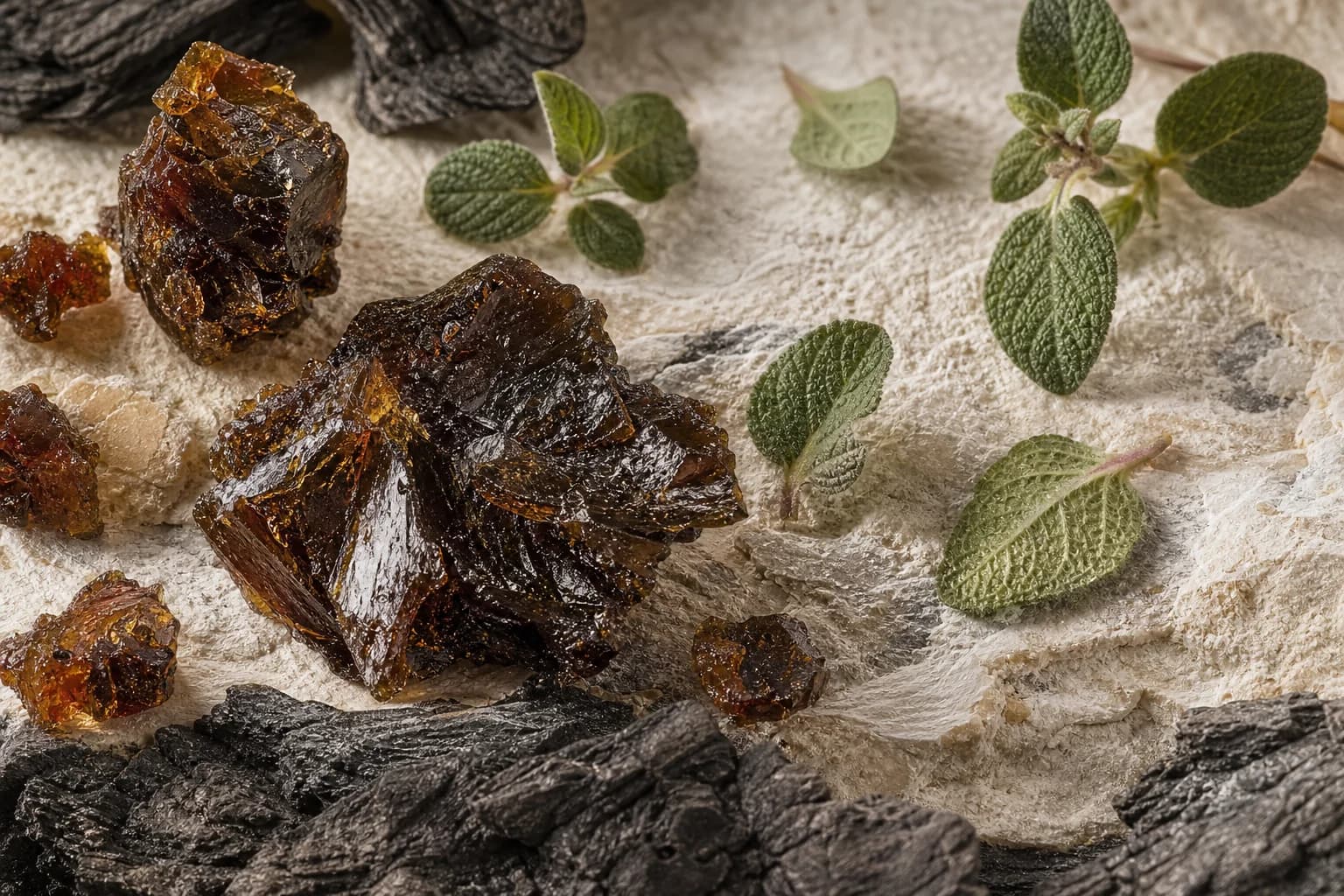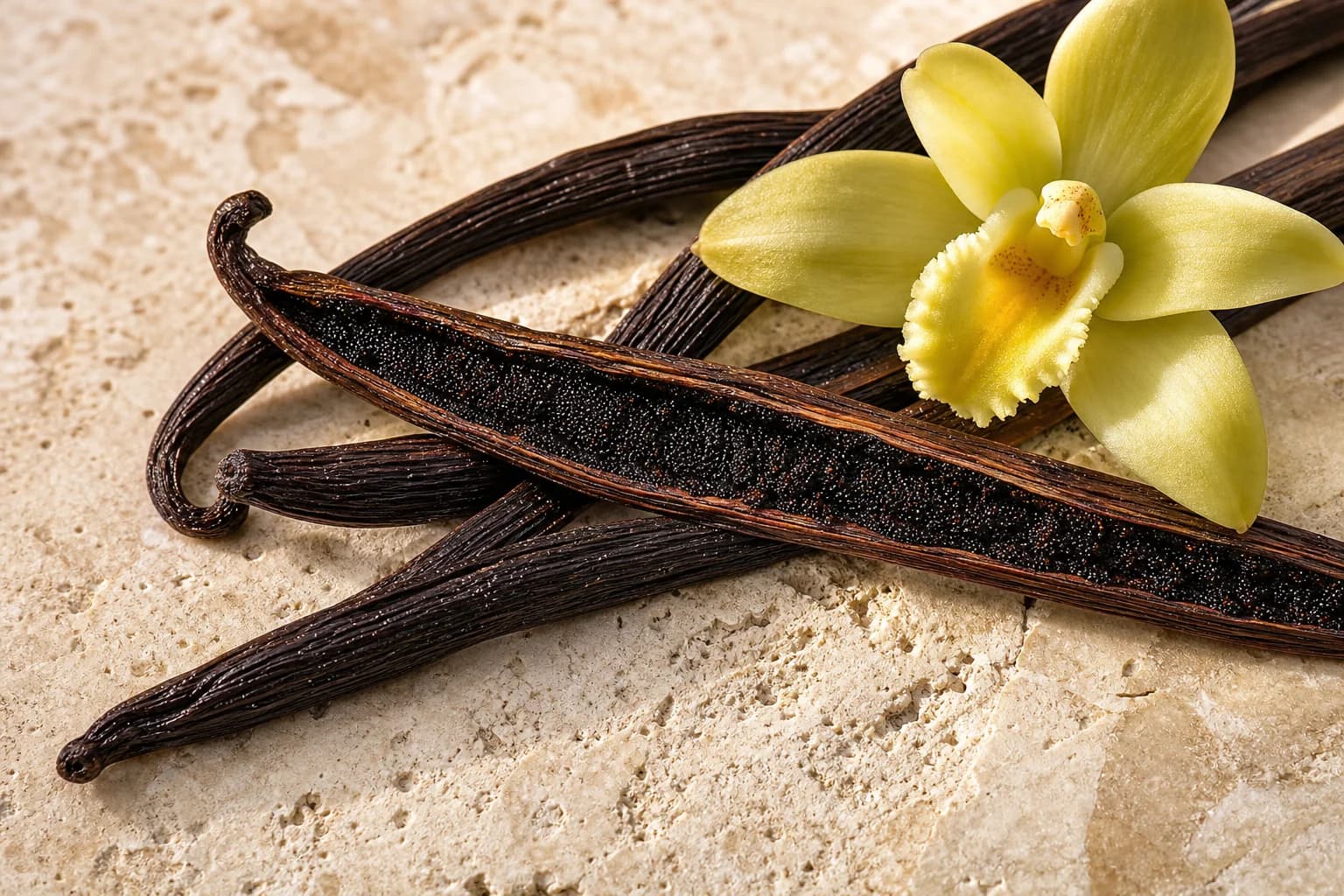
The decision / 01
Read the exact note name
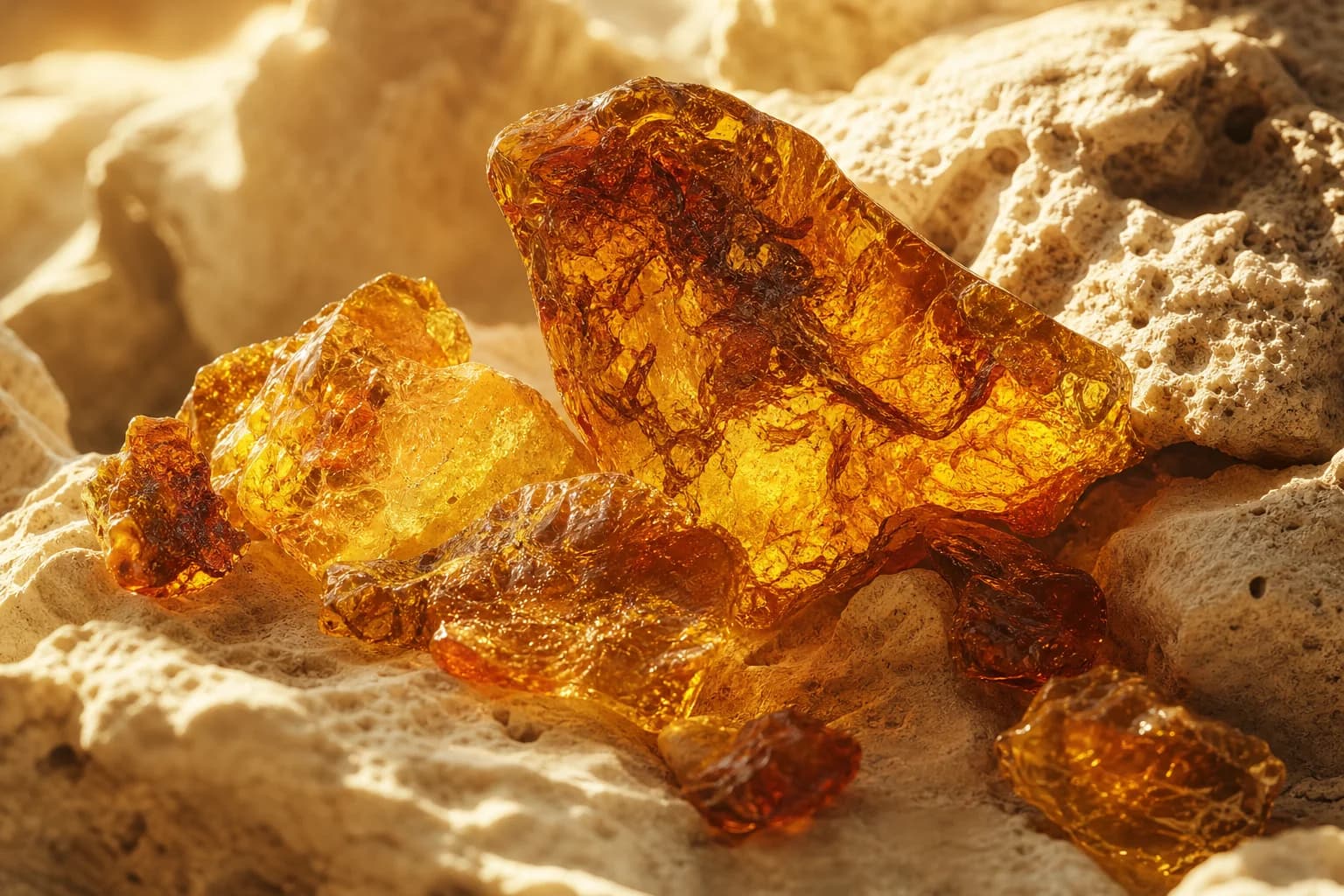
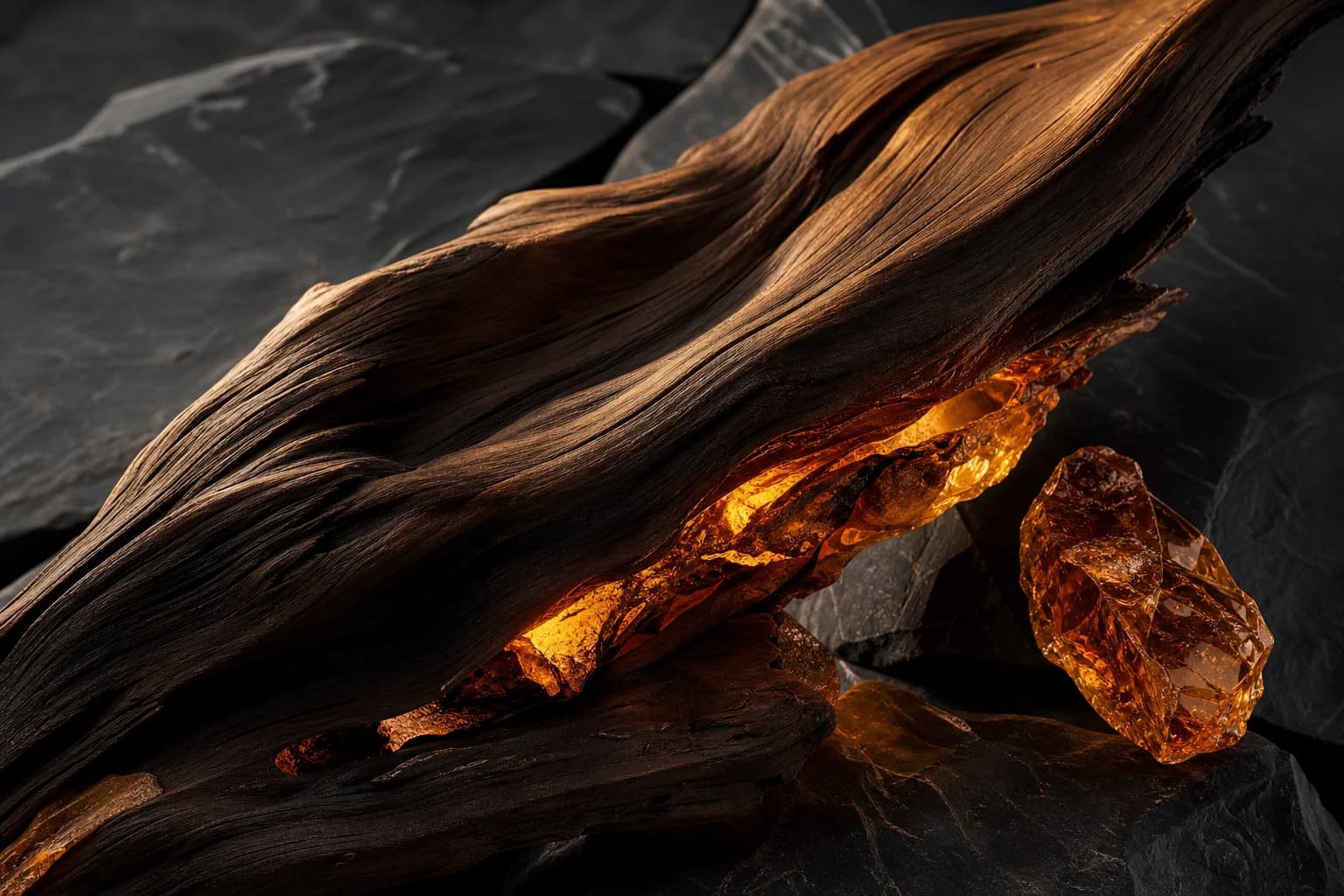
Amber, amberwood, ambergris and ambroxan are not synonyms. They belong to different material histories and scent references. This buying guide groups selected ambery directions for comparison without merging the corresponding encyclopedia entries.
A shopper seeking vanilla-and-resin warmth should not choose a perfume merely because a related word appears. Compare the surrounding notes and follow the specific ingredient link. This is especially helpful when shopping online without a skin test.
The decision / 02
Choose your balance of sweet and dry
Sweetness can make warmth feel rounded, while woods or aromatic details may introduce a drier contrast. Neither side is inherently more luxurious. Decide whether your preference is comfort, clarity or a mix of the two, then compare the full note lists.
The presence of vanilla does not prove that a perfume is sugary, just as a woody material does not prove that it is dry. These are shortlisting clues rather than a substitute for experiencing the formula.
The decision / 03
Let the setting guide application
Warm scent styles can feel different across a cool Tasmanian evening, a heated room and a humid summer day. Test a modest application in your actual setting. We do not automatically classify all amber perfumes as winter or evening scents.
If buying a gift, identify a familiar base preference first. Someone who enjoys soft musks may want a different ambered direction from someone who enjoys resin and spice. Current product information and the recipient’s taste are stronger evidence than a broad family label.