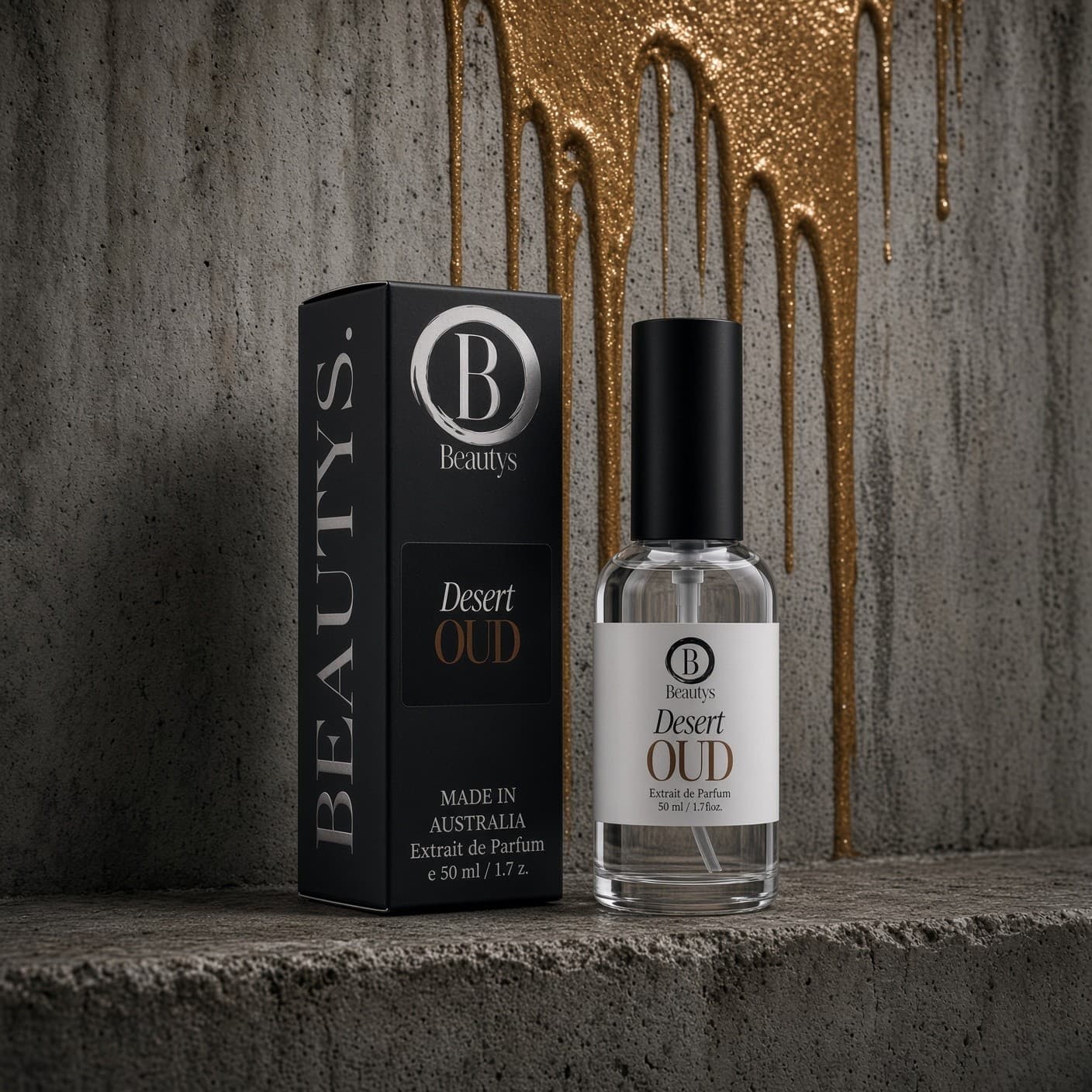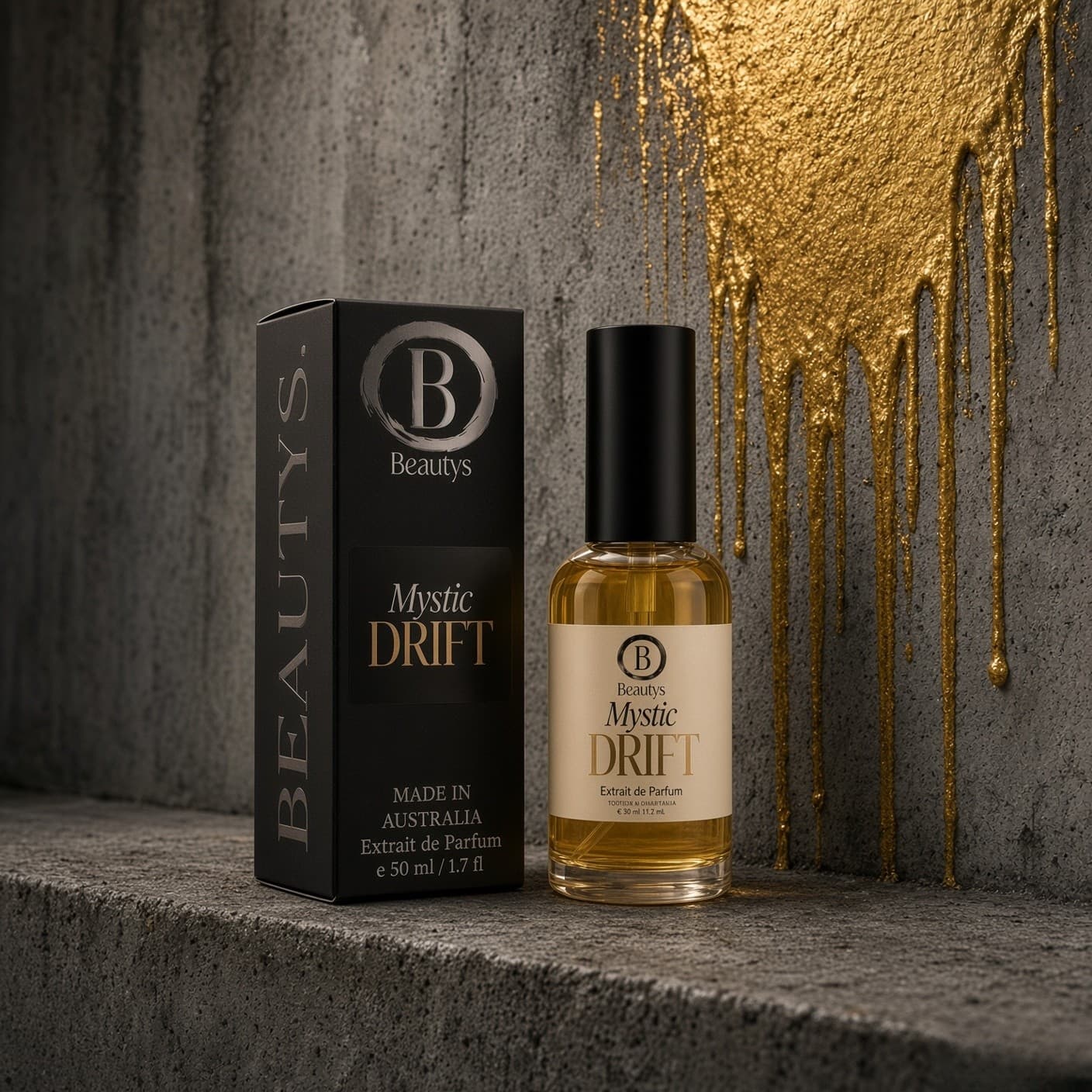
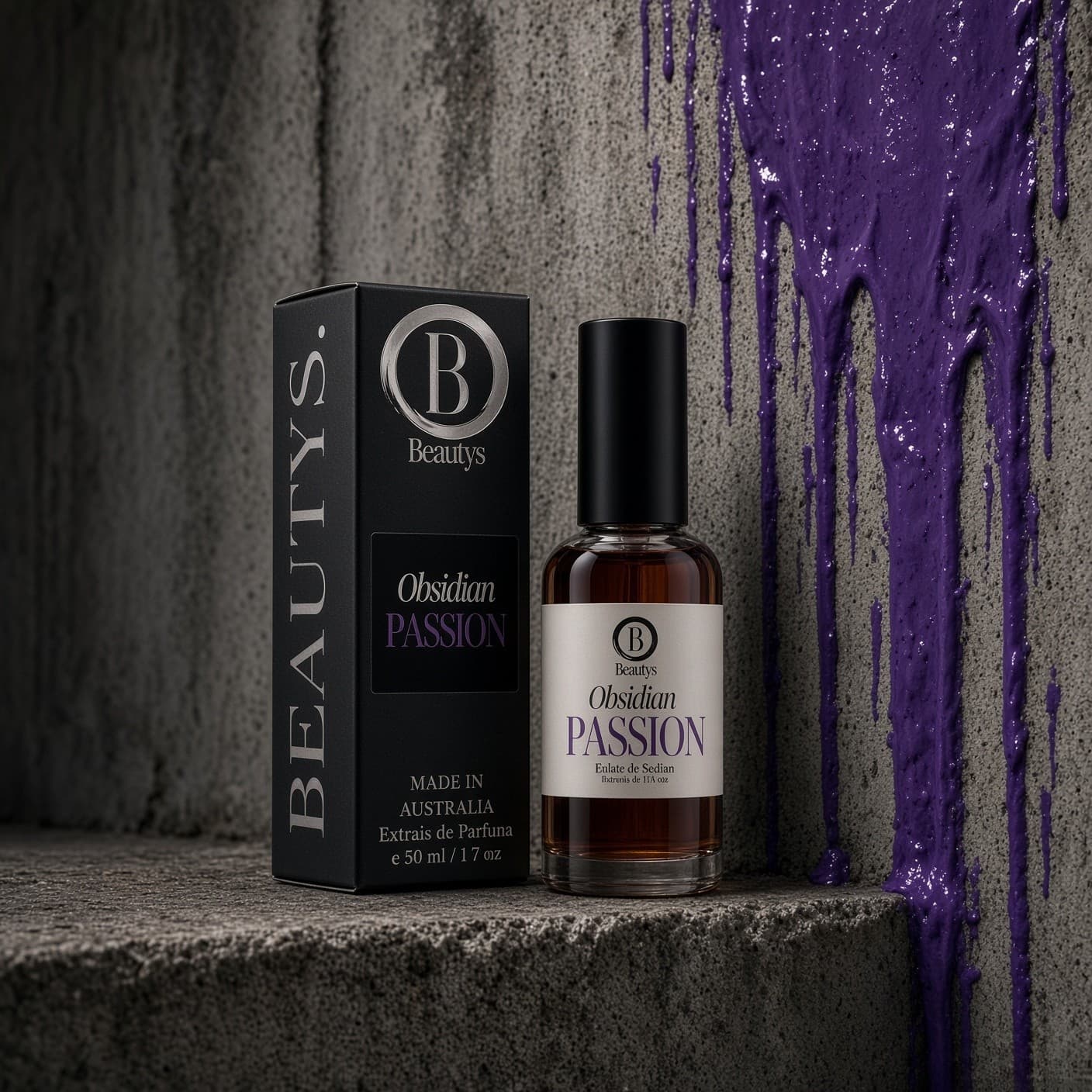
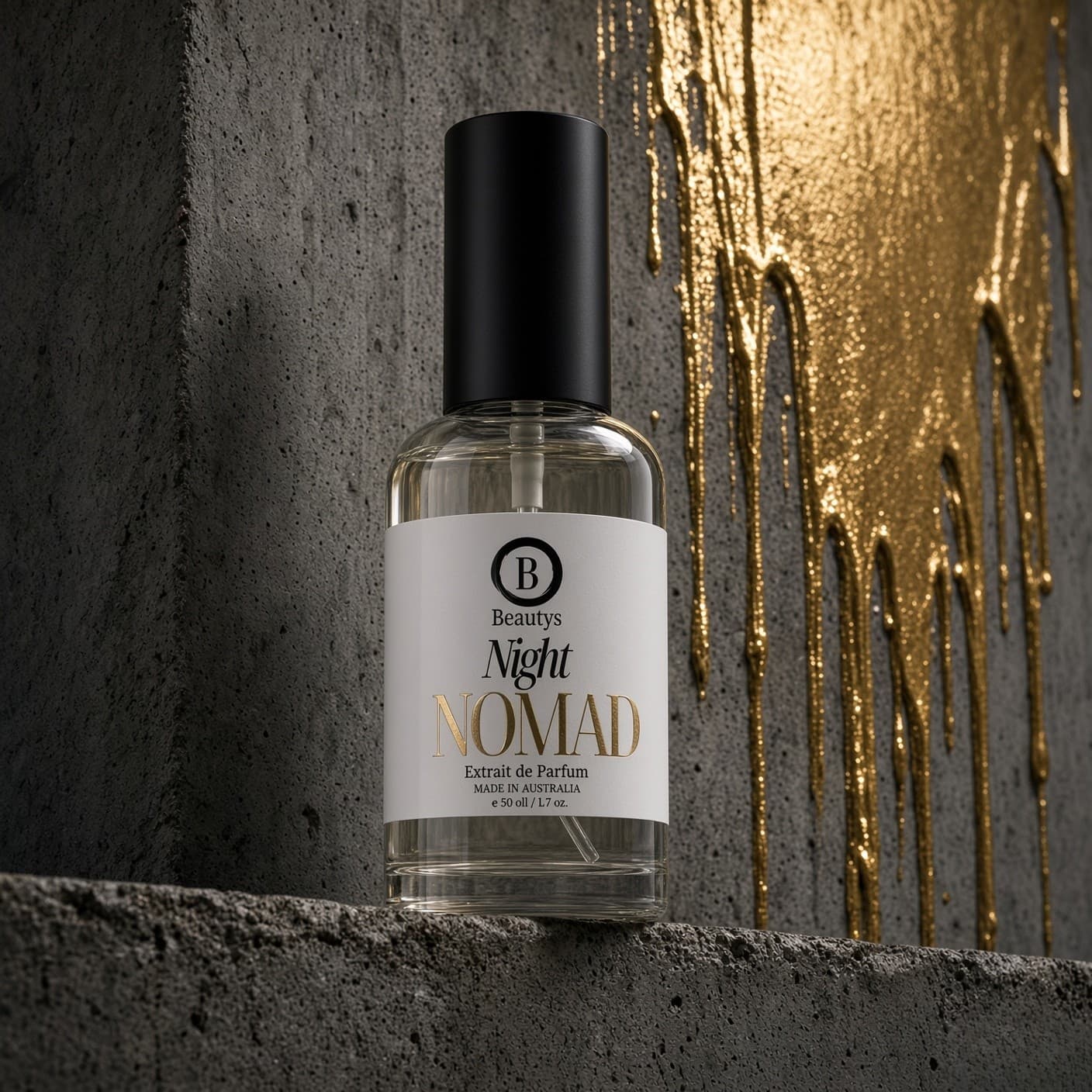
50 mL Extrait de Parfum · $35 AUD each
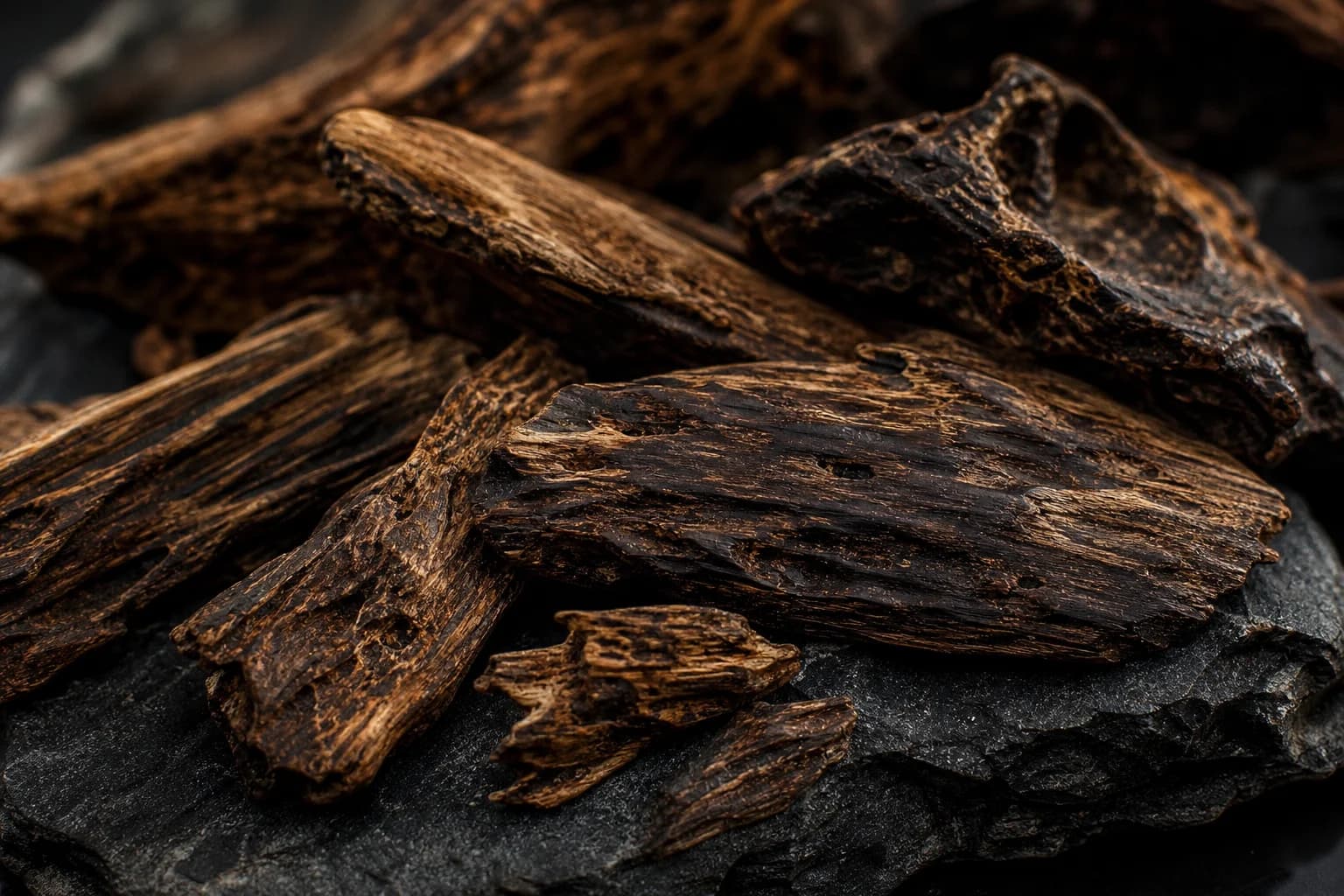
Dark resin-veined agarwood chips illuminated against charcoal stone

02 / Woods & Earth

Into the deeper woods

Oud, a study in depth.

Dark wood is only the beginning. Oud can suggest polished timber, warm resin, smoke and leather — or a softer, almost sweet shadow behind a fragrance.

The scent in three impressions

01

Resinous

Dense, warm wood with a rounded, balsamic depth.

02

Smoky

An atmospheric impression that may be dry, incense-like or leathery.

03

Complex

Facets can range from sweet and smooth to earthy, medicinal or animalic.

Field notes / 01

What does oud smell like?

There is no single universal oud smell. At its most approachable, it can suggest warm, resin-rich wood with a trace of sweetness. Other interpretations lean into smoke, leather, damp earth or a medicinal edge. Some natural agarwood oils have pronounced animalic nuances. These differences are part of why two perfumes described as oud can feel entirely unlike one another.

Context changes the experience. Rose can give oud a velvety floral counterpoint; saffron and leather can emphasise its drier, darker side. Fruit and vanilla may soften the first impression. If you are new to oud, compare the surrounding notes before assuming every oud fragrance will be heavy or challenging.

Field notes / 02

Agarwood and the oud accord

Natural oud is associated with resinous agarwood from trees including Aquilaria and Gyrinops species. Resin develops through complex stress and biological processes within the wood. Species, growing conditions, resin formation, preparation and distillation all influence the eventual aromatic material.

In a contemporary perfume, oud may describe a constructed accord rather than the presence of natural agarwood oil. Perfumers can combine woody, ambery, smoky and other materials to evoke a particular facet. A note list does not establish origin, extraction method or sustainability credentials. Those claims require separate evidence from the maker.

Field notes / 03

Depth without a fixed dress code

Oud often gives a composition a dark frame and a sense of continuity into the dry down. It may be a principal theme or a quiet supporting note. An airy floral-oud composition and a dense leather-oud perfume can occupy very different places in a fragrance wardrobe, even though the same ingredient word appears on both.

For Australian conditions, think about intensity and application rather than reserving oud for winter by default. Try a modest spray first and allow the opening to settle before deciding. The concentration label alone cannot tell you how forcefully an oud accord will project or how long you will notice it.
Close-up: dark resin-veined agarwood chips illuminated against charcoal stone
Agarwood texture: a visual study of the material associated with natural oud.

The composition notebook

Where it belongs.

Heart into base

Oud commonly anchors the heart or base through its woody and resinous character. A formula may reveal it from the opening; stage labels do not mean an ingredient waits to become detectable.

Natural conversations

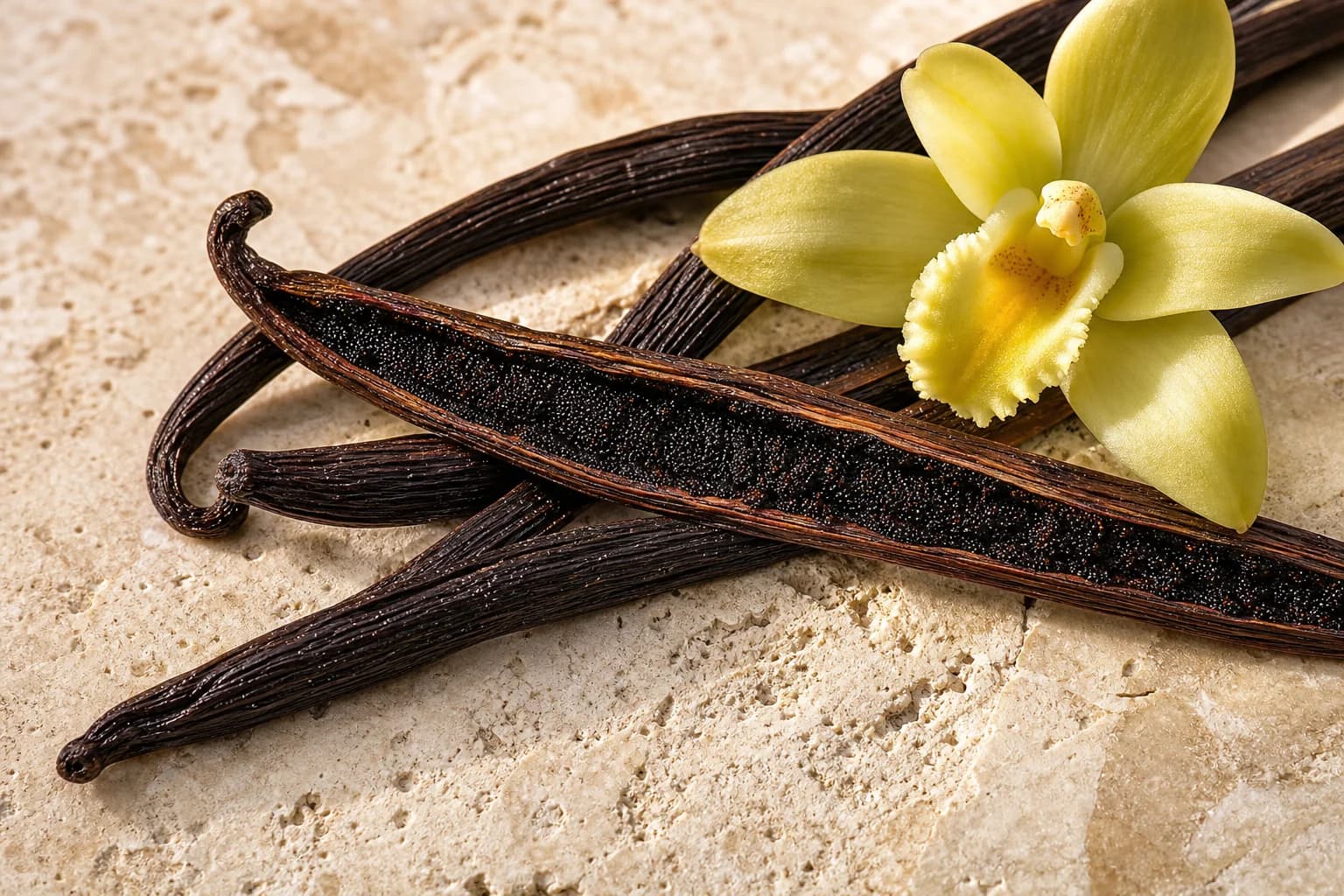
Vanilla ↗

A softer sweet counterpoint to dark, resinous wood.

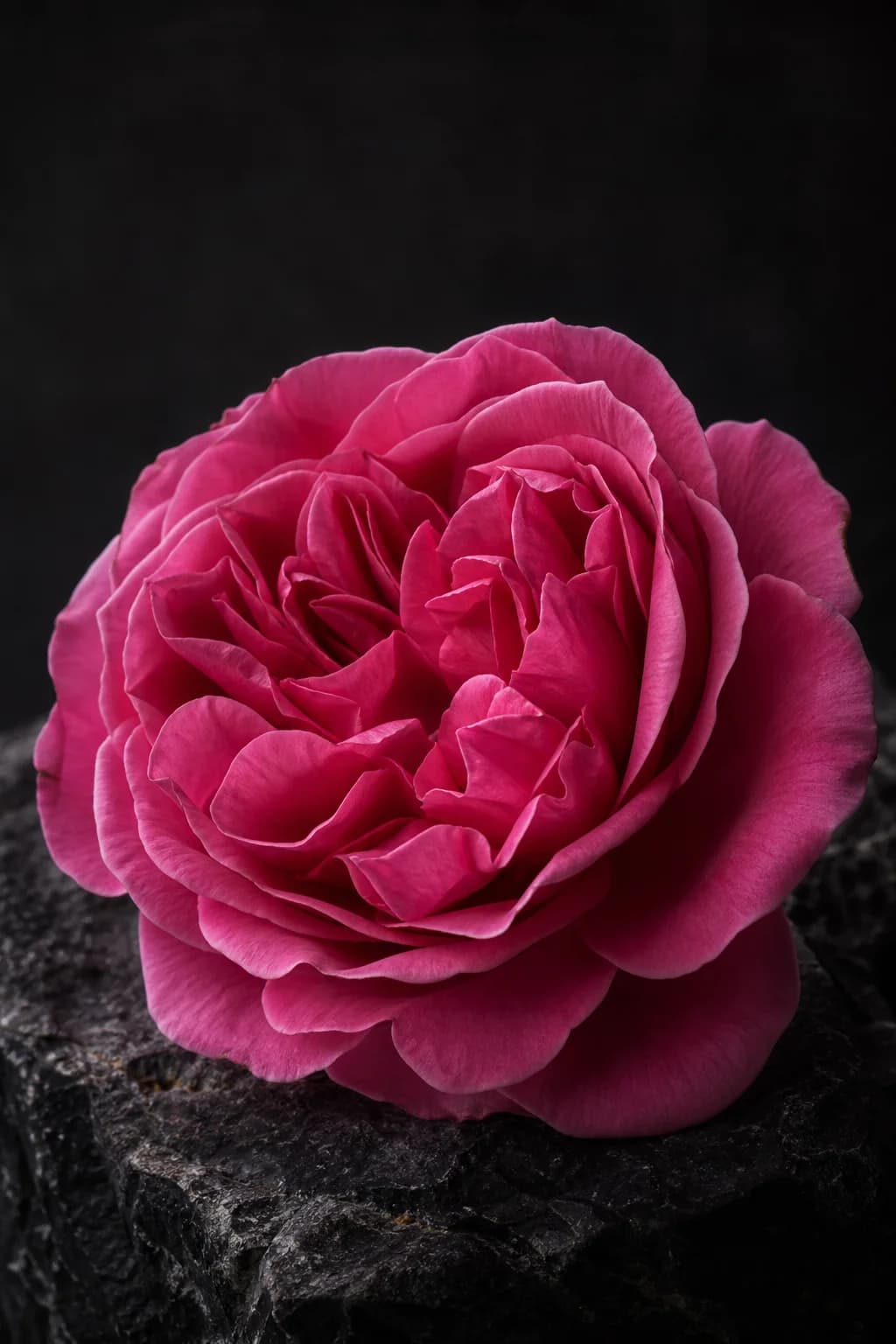
Rose & saffron

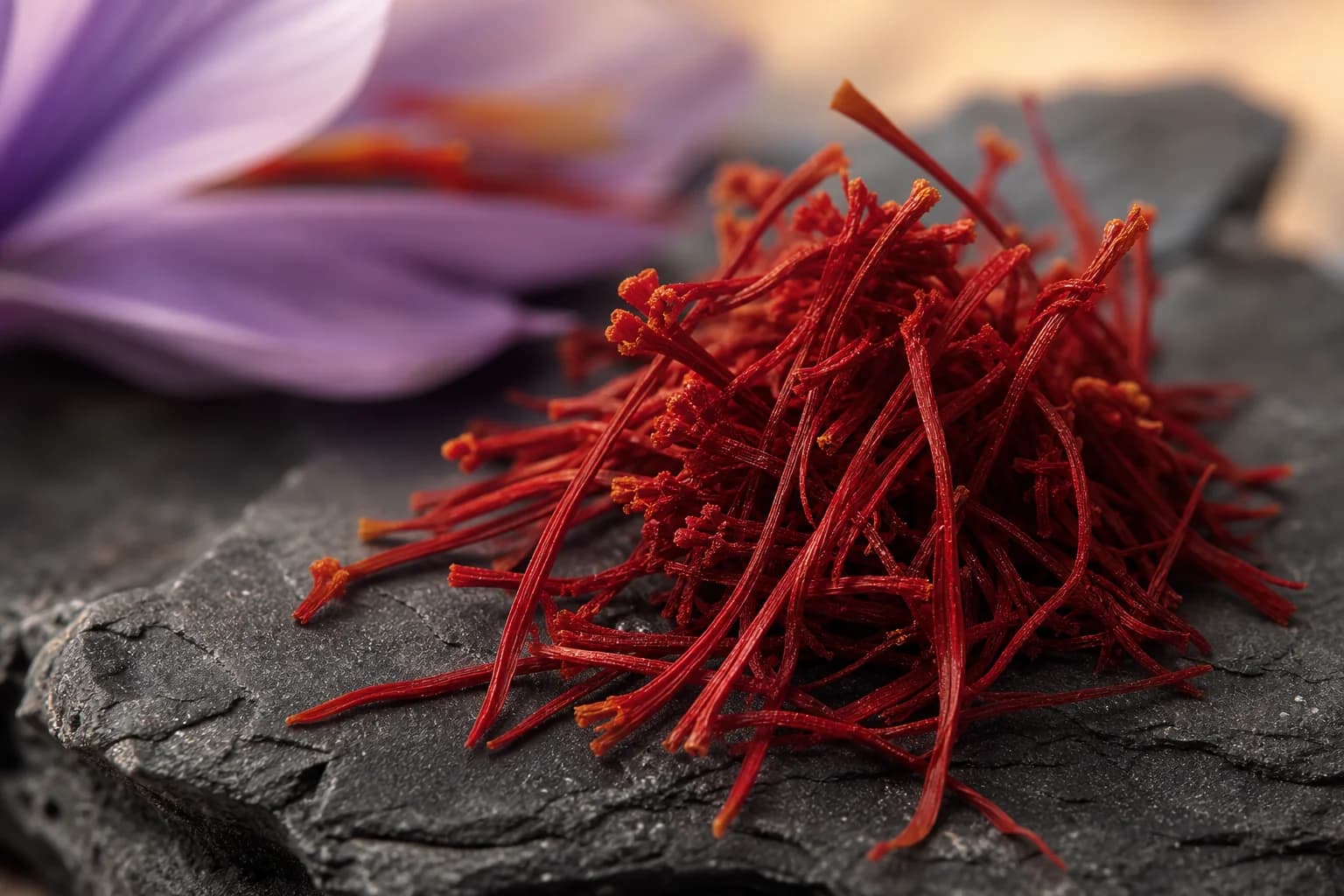
Velvety petals and dry spice create a layered floral-woody contrast.

Bergamot ↗

A bitter-bright opening lifts the weight of the woods beneath.

From the guide to your skin

Discover oud at Beautys.

4 fragrances with a recorded oud note

Matched to the fragrance notes in our current catalogue, not to a product’s name. A listed note describes a scent impression; it does not confirm the use of a natural extract.

A little more clarity

Your oud
questions, answered.

Are oud and agarwood the same thing?

The terms are closely related. Agarwood is resinous wood, while oud commonly refers to its aromatic oil or its scent in perfumery. On a perfume note list, oud may also mean a constructed accord.

Does oud always smell smoky?

No. Some oud effects are smoky or leathery; others feel smooth, sweet, woody or earthy. The materials and the rest of the composition determine the balance.

Is every oud perfume made with natural oud oil?

No. An oud note can be recreated with a blend of aroma materials. The note name alone cannot confirm natural content or sourcing.

How is oud different from sandalwood?

Oud often feels darker and more resinous, with possible leathery or animalic facets. Sandalwood tends towards a smoother creamy-wood impression. Both have many variations.

Your bag.

0 items · Your fragrance edit