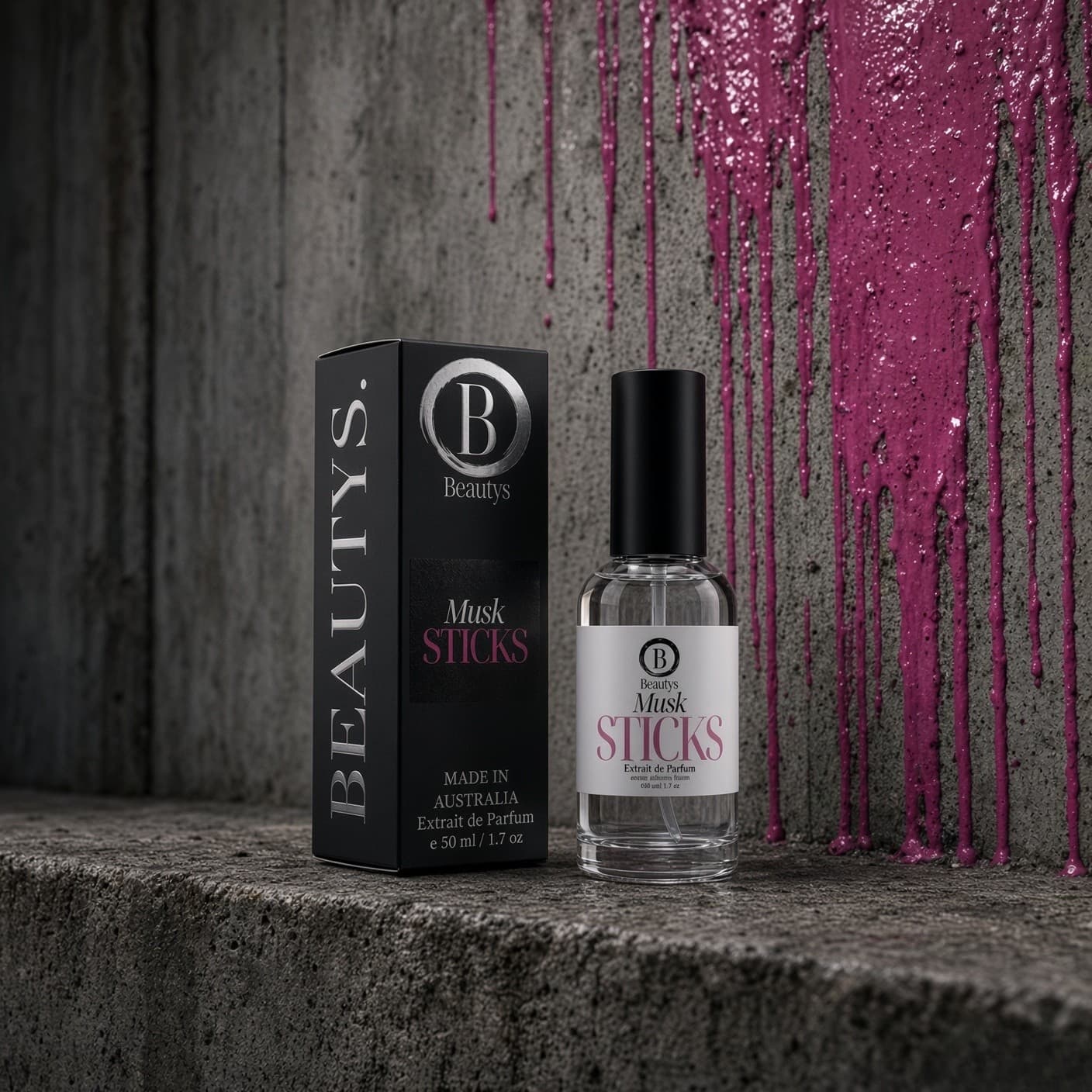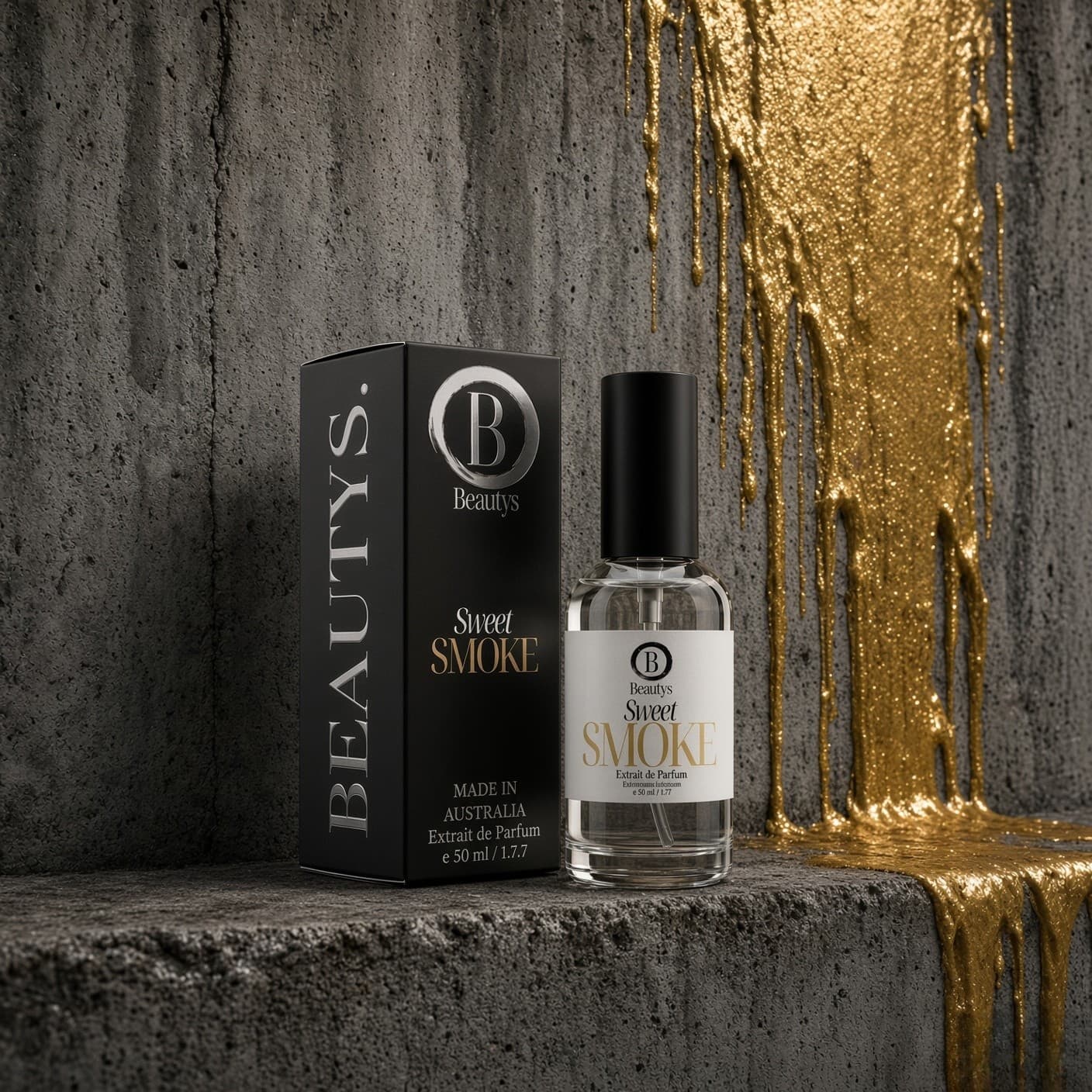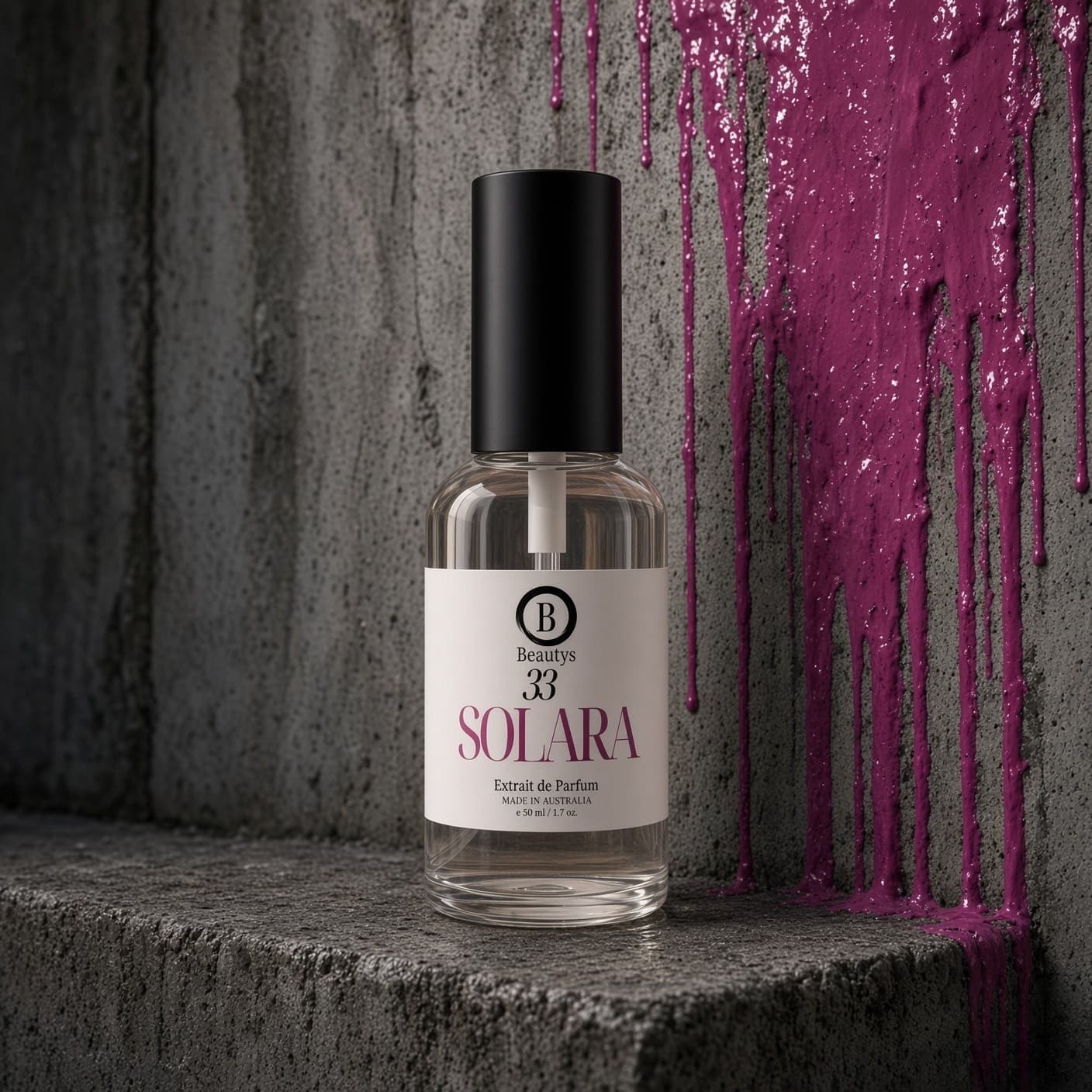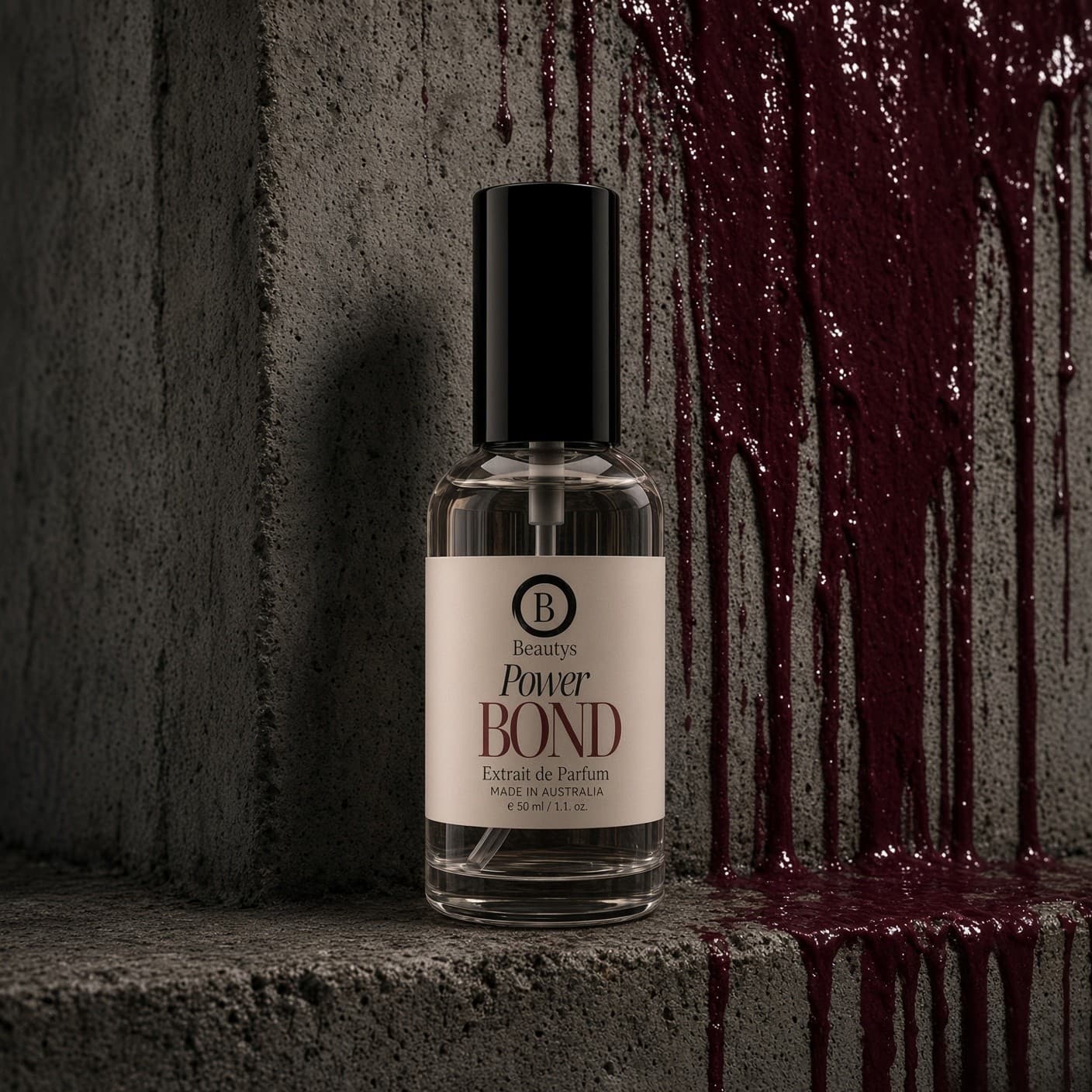
The decision / 01
Distinguish wood from smoke
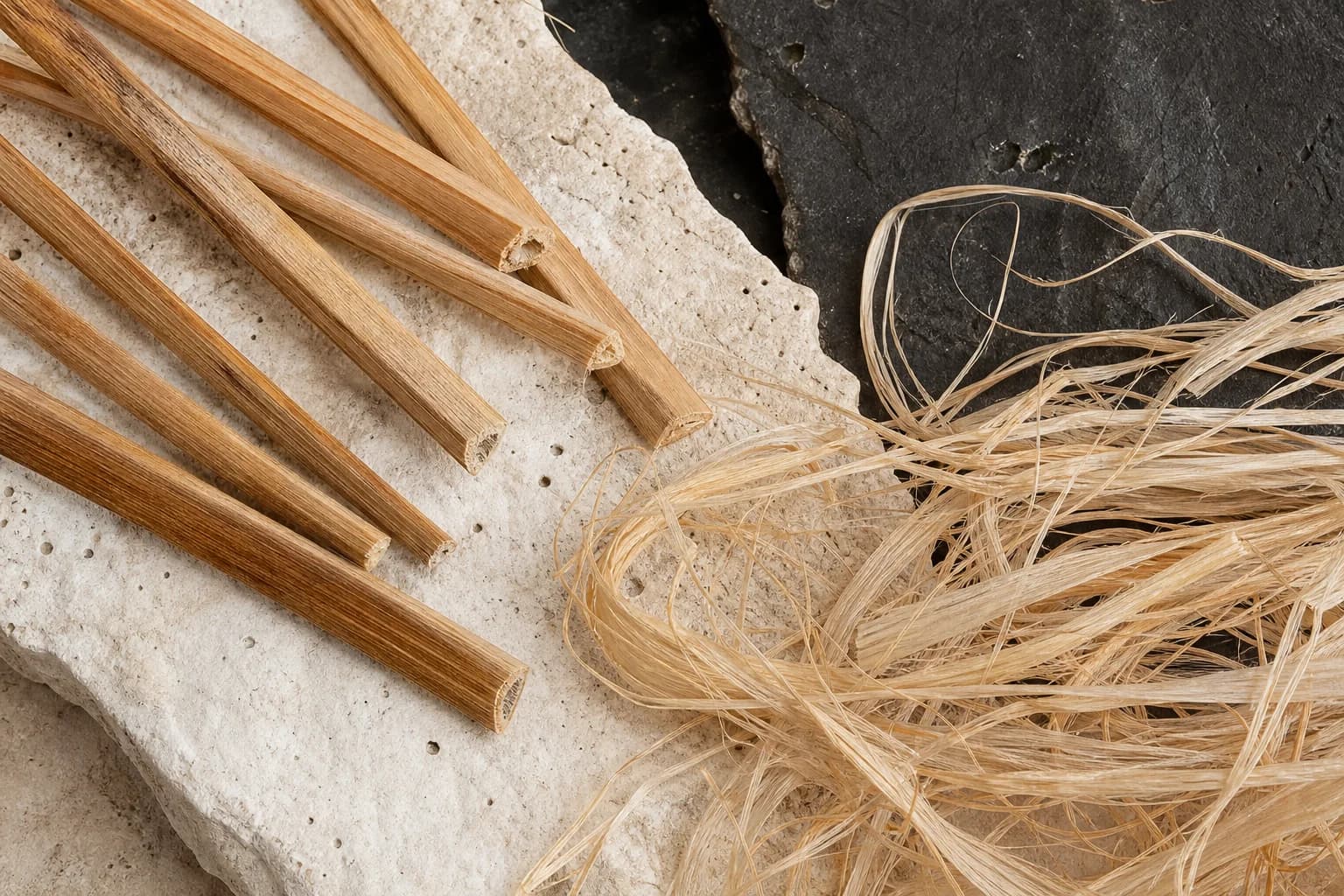
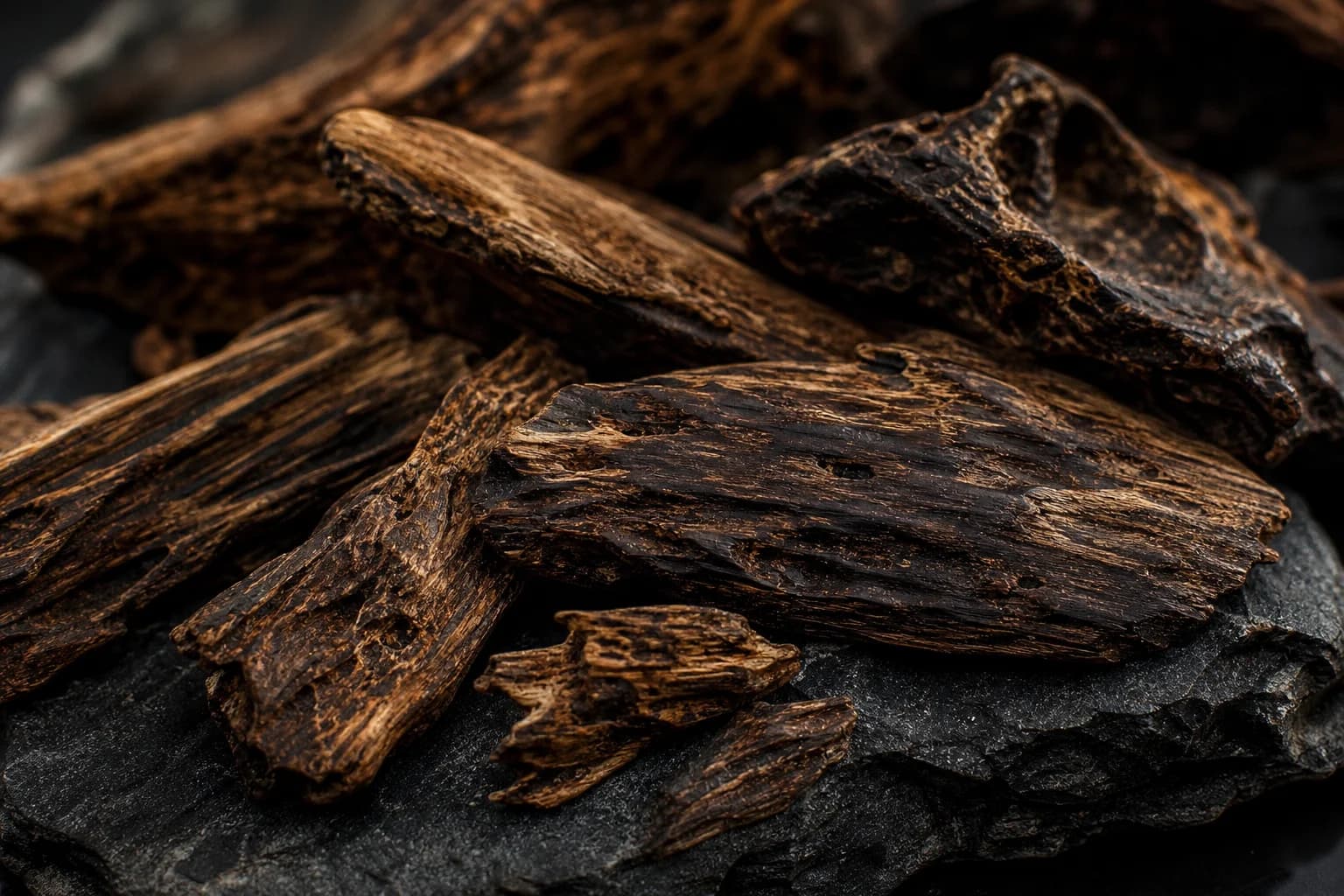
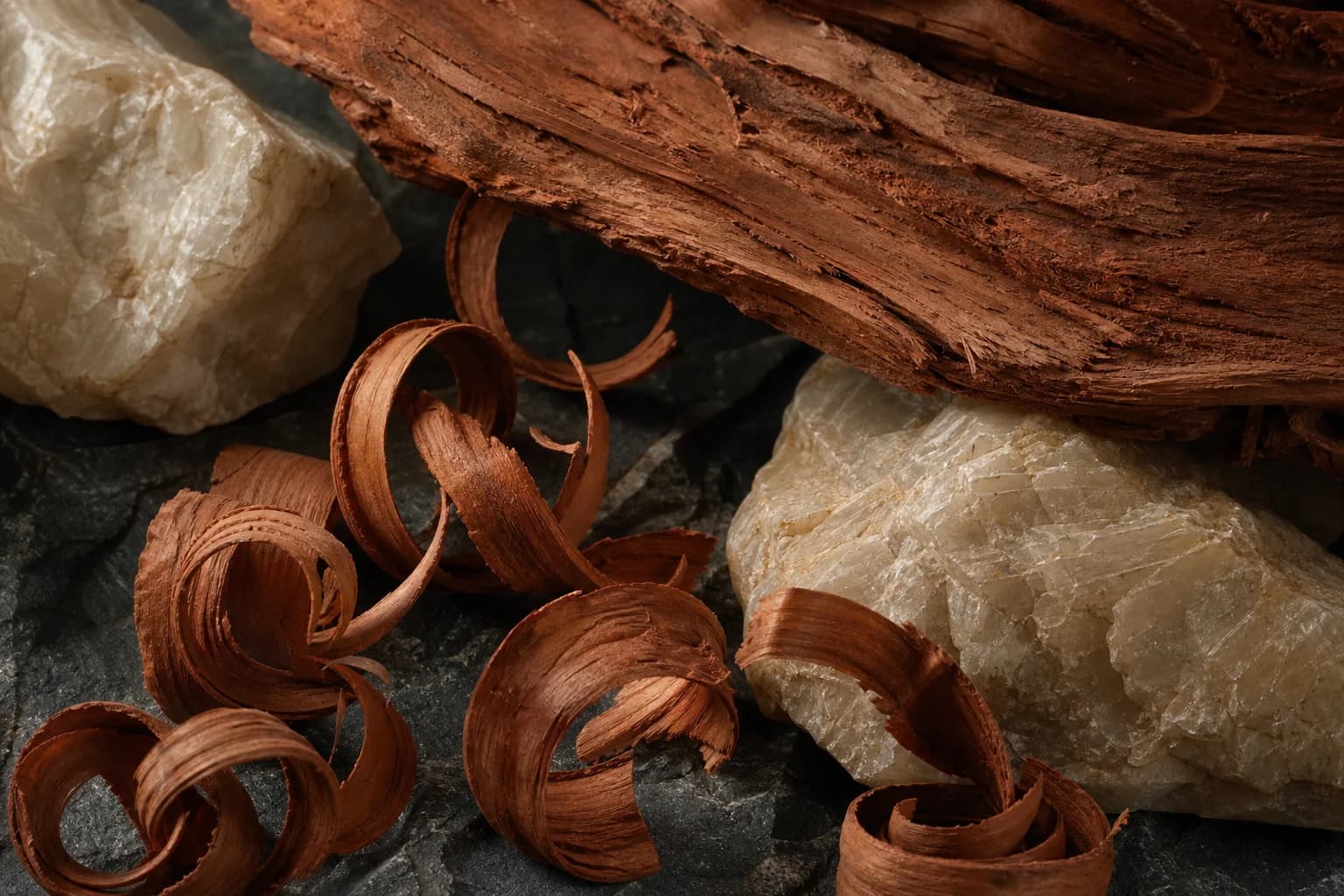
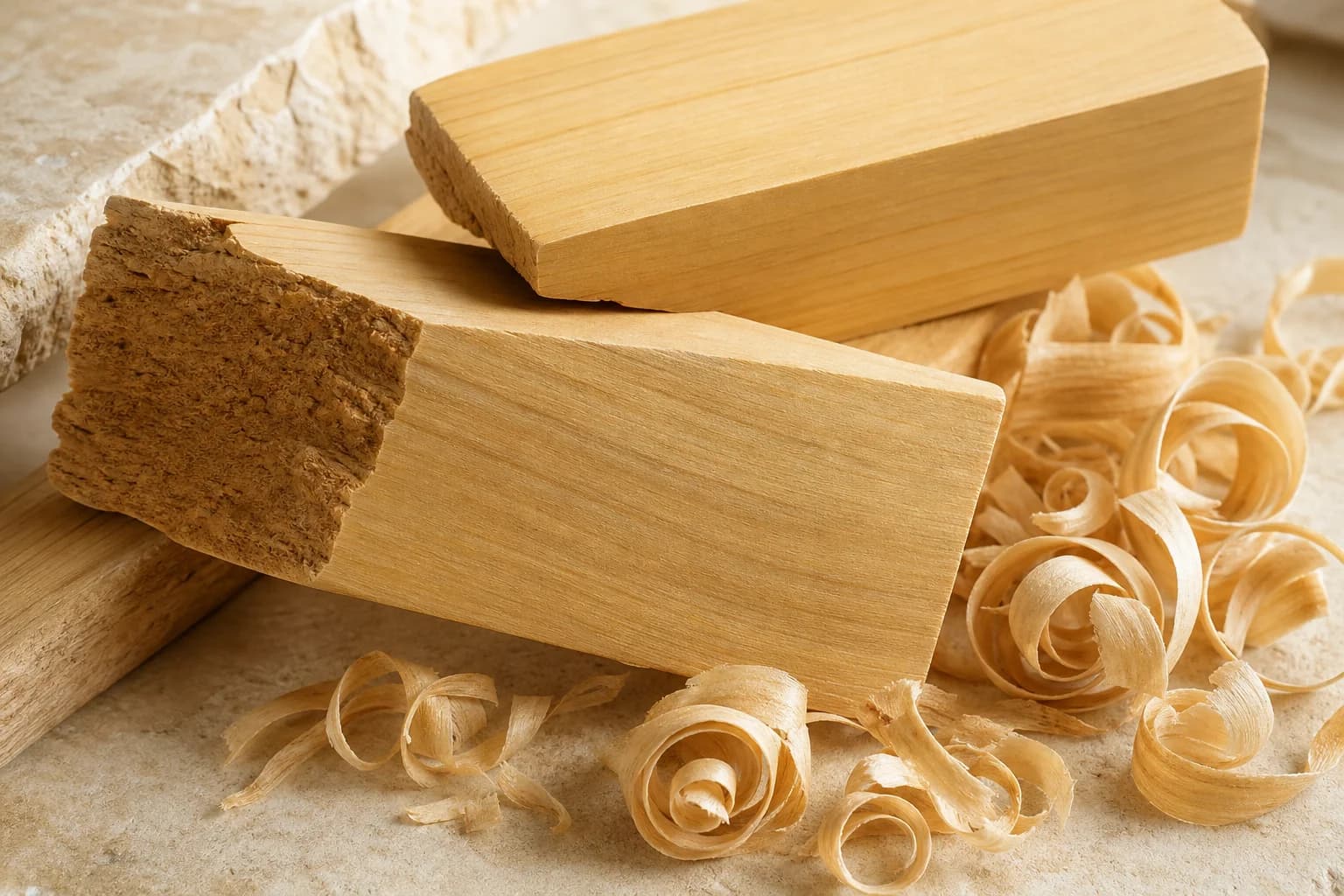
A woody fragrance need not smell smoky. Cedar, sandalwood and papyrus offer their own textures, while incense or birch may introduce a different kind of shadow. Check which of these details is actually recorded rather than assuming darkness from the product name.
If you dislike smoke, a simple woody label is not enough to reject a perfume. Conversely, someone specifically looking for smoke should check for an explicit smoky profile or relevant notes, then sample; presence does not reveal intensity.
The decision / 02
Consider what sits above the base
A woody base can support fruit, flowers, herbs or citrus. Those upper layers may define much of the experience. Compare two perfumes sharing a wood note and notice how their openings and hearts differ before expecting them to be substitutes.
A base note is not a guarantee that the scent will last a particular number of hours. The complete formula and your conditions matter. Buy a finish you enjoy rather than choosing wood solely for an assumed performance advantage.
The decision / 03
Build contrast into your wardrobe
If your existing perfume is sweet, a drier woody direction may offer a meaningful alternative. If it is already austere, look at woods framed by flowers or musk. One deliberate contrast is often more useful than collecting several perfumes with very similar lists.
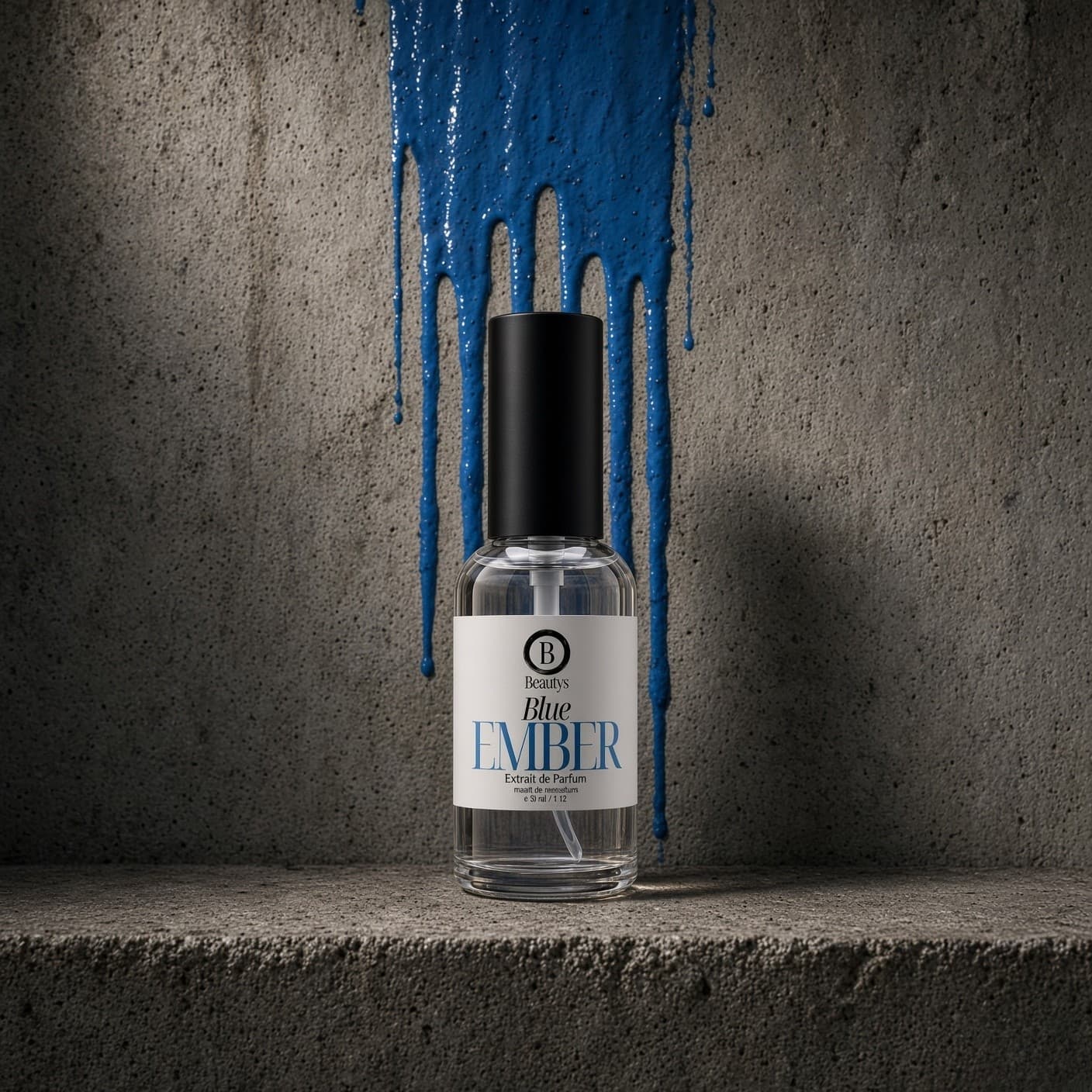
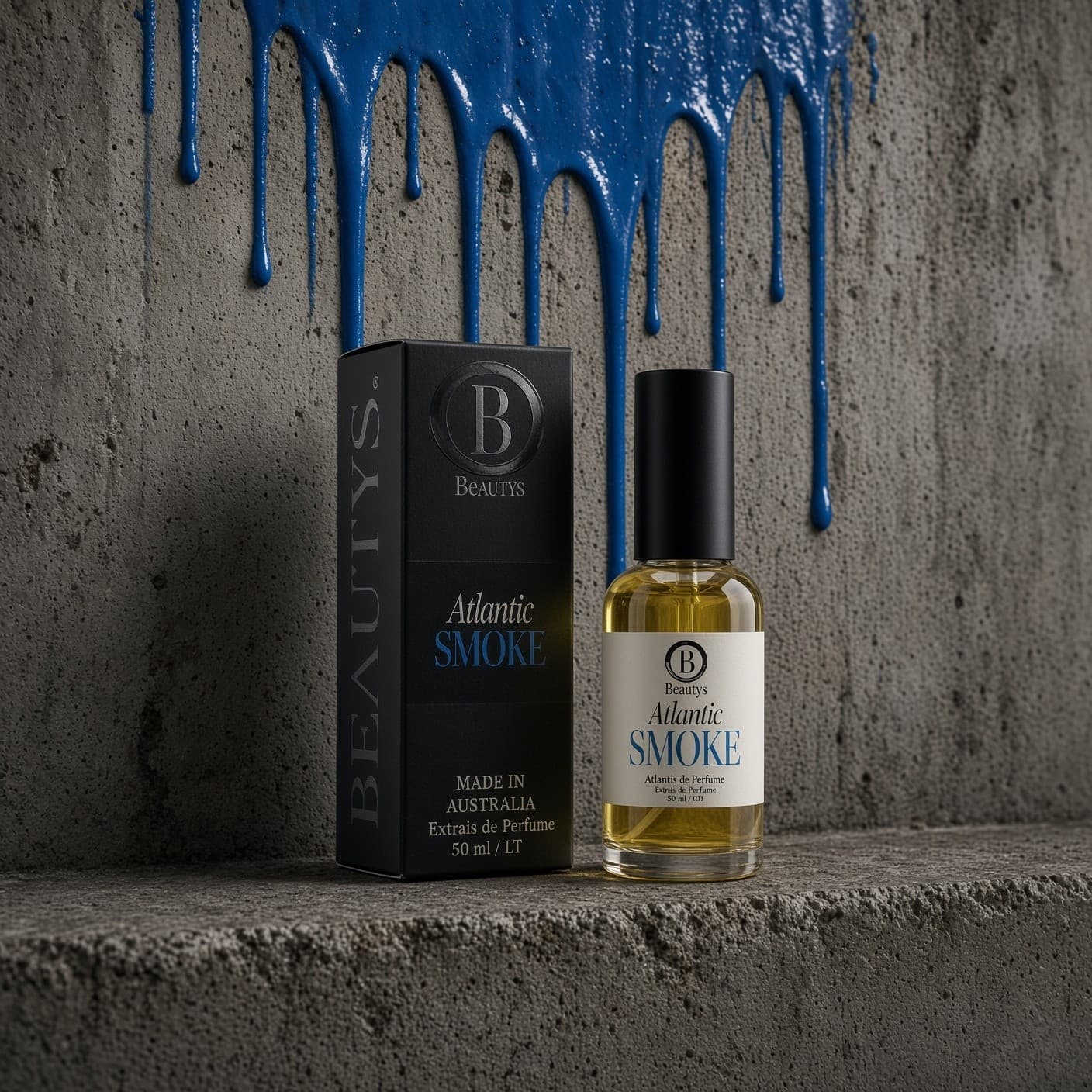
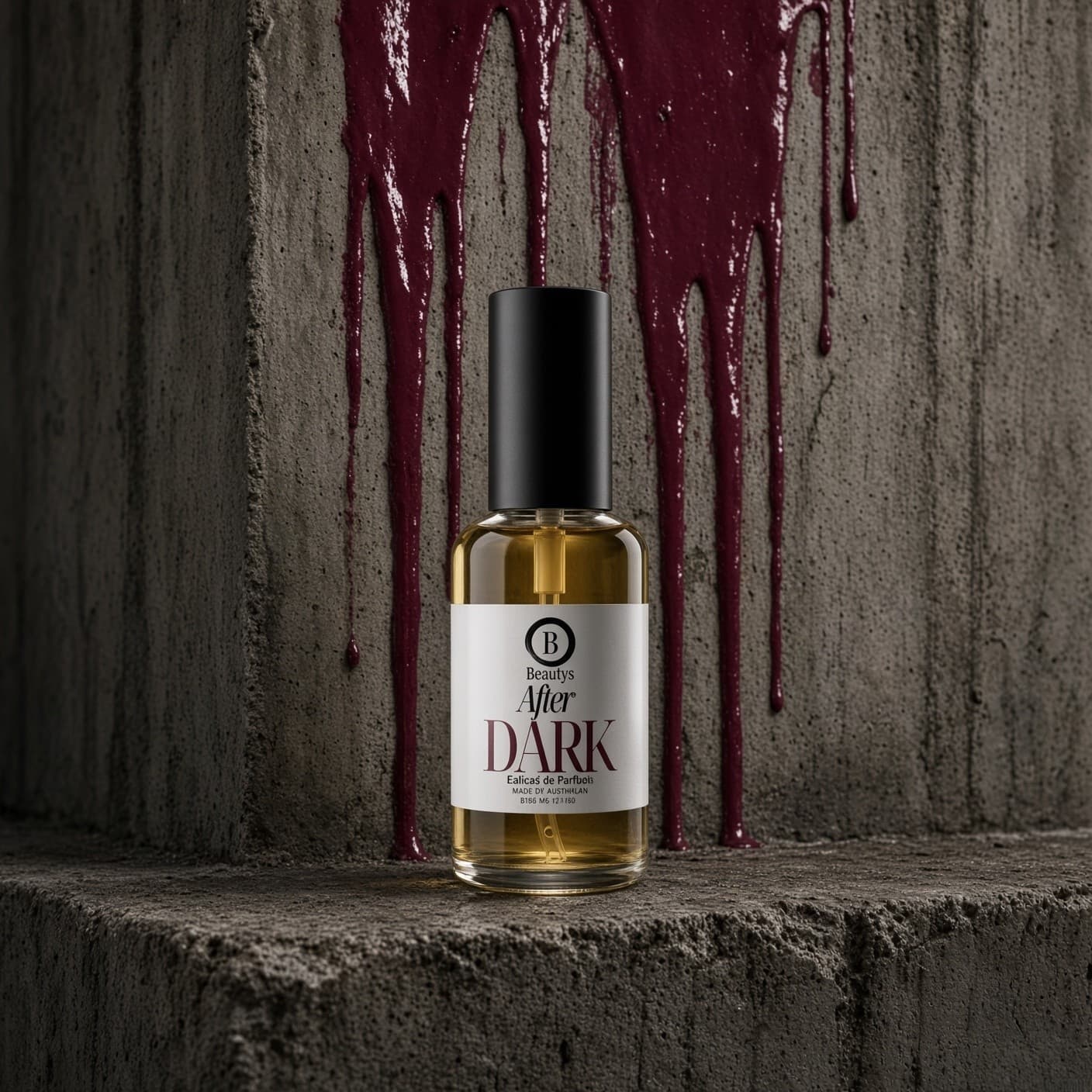
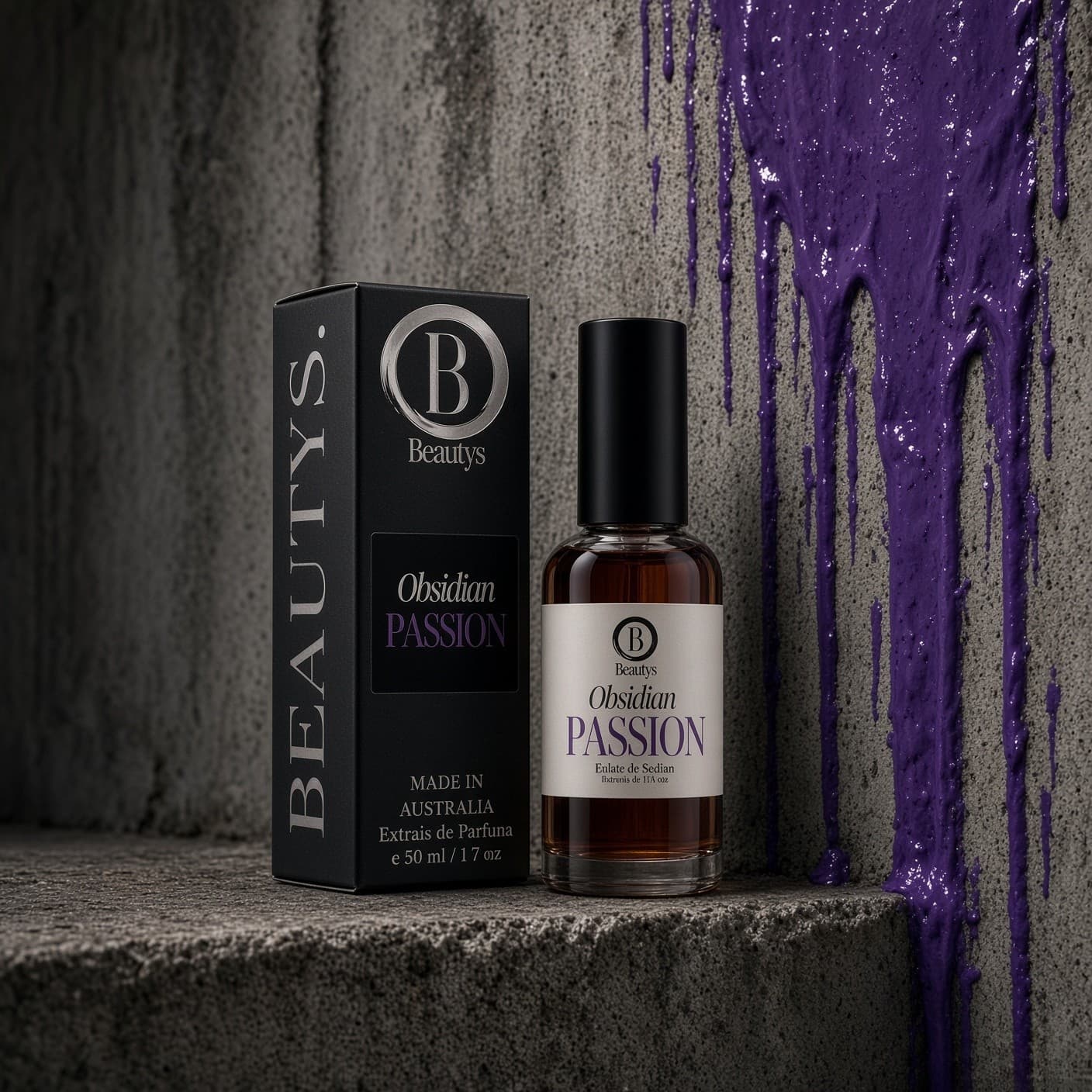
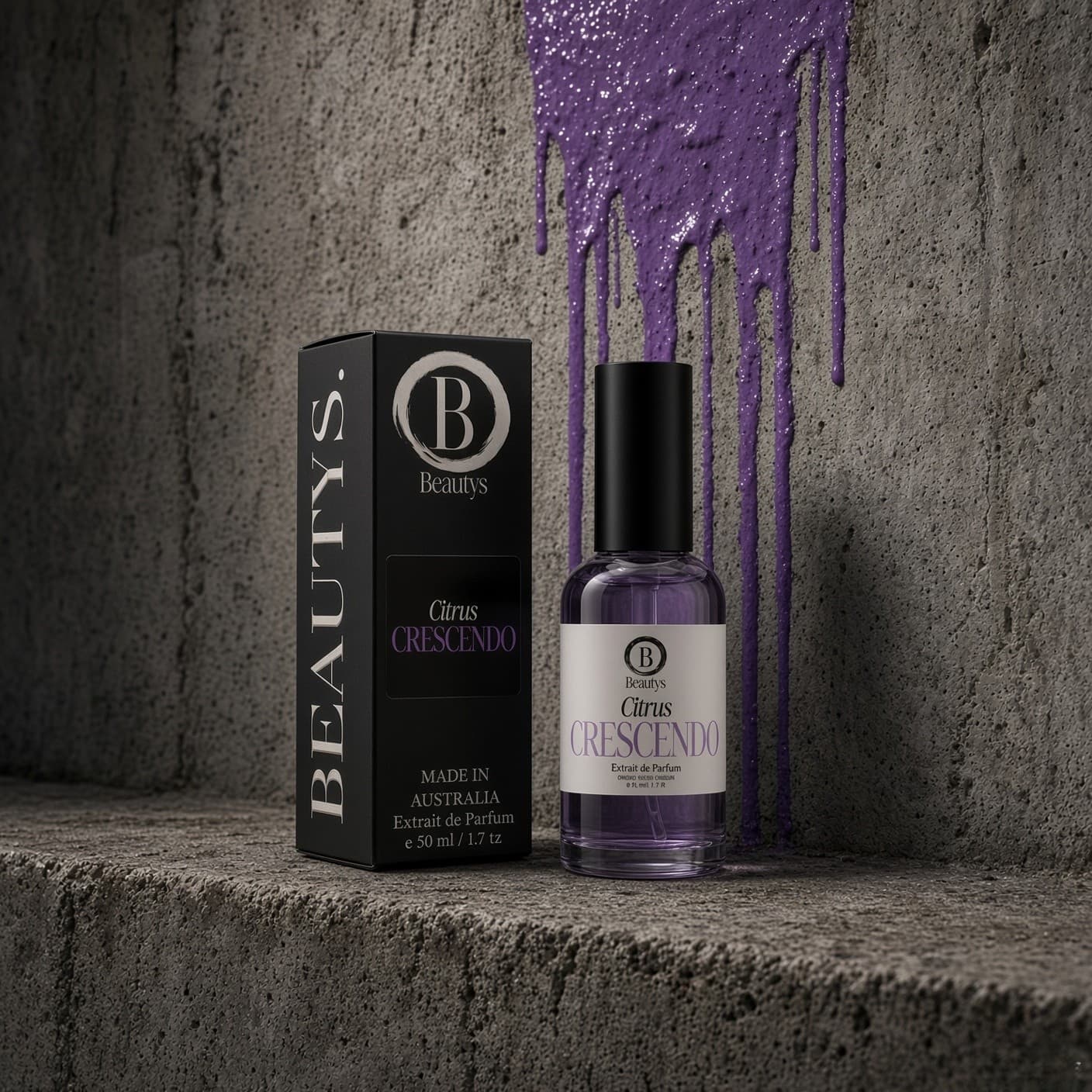
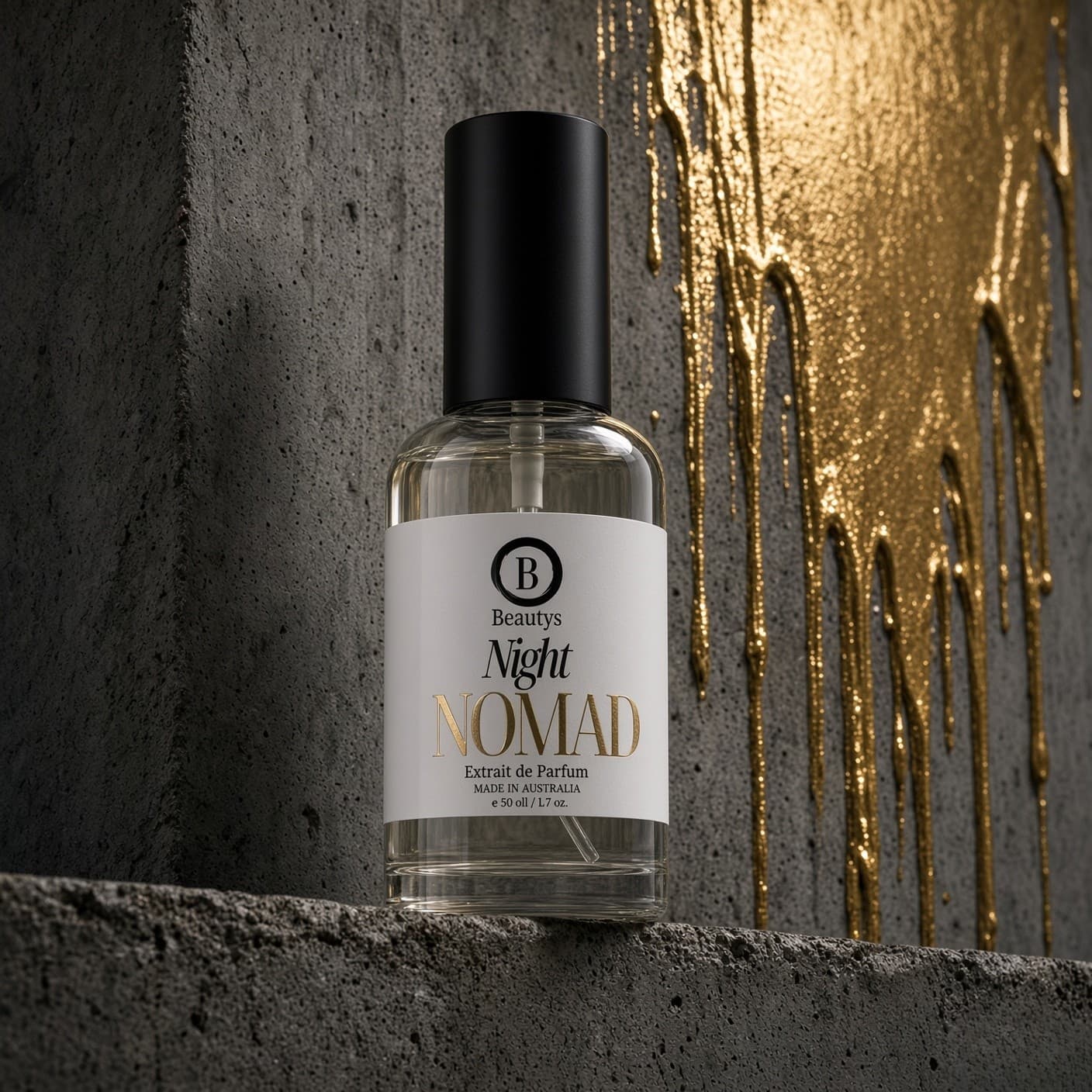
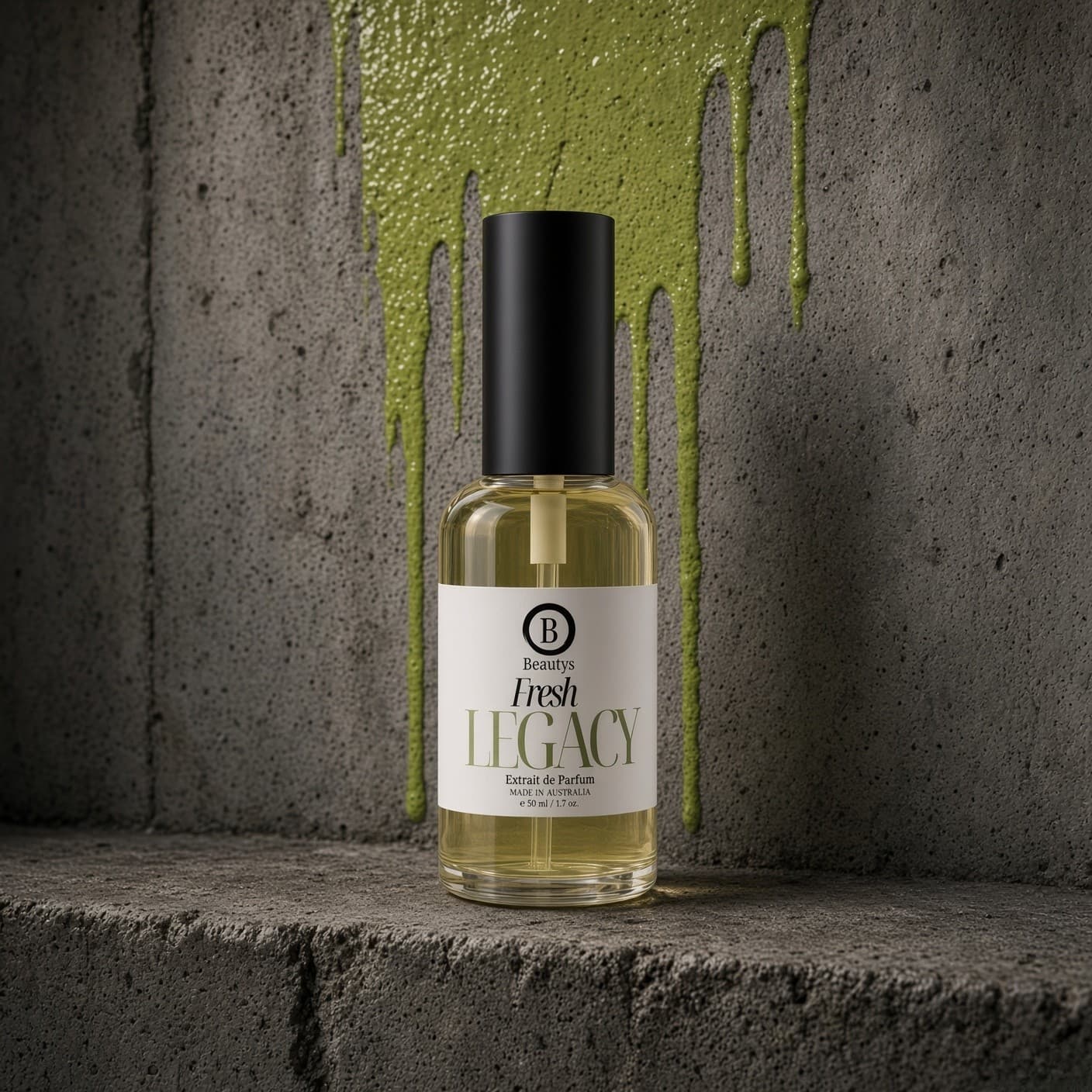
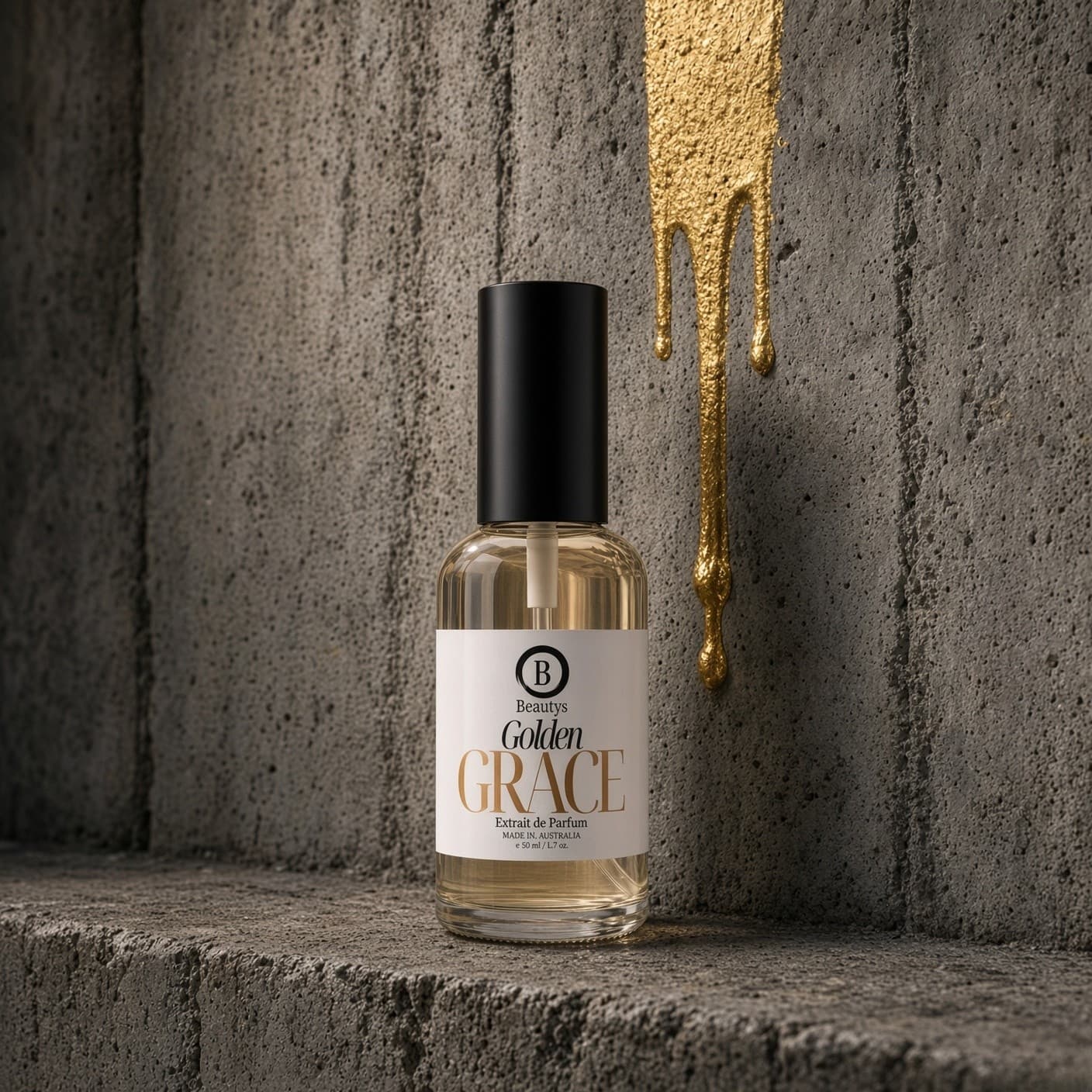
For gifts, ask which textures the recipient already likes instead of assigning woods by gender. Every current qualifying fragrance is included below, with live catalogue prices and links to the complete product information.