

The decision / 01
Choose the context around the musk
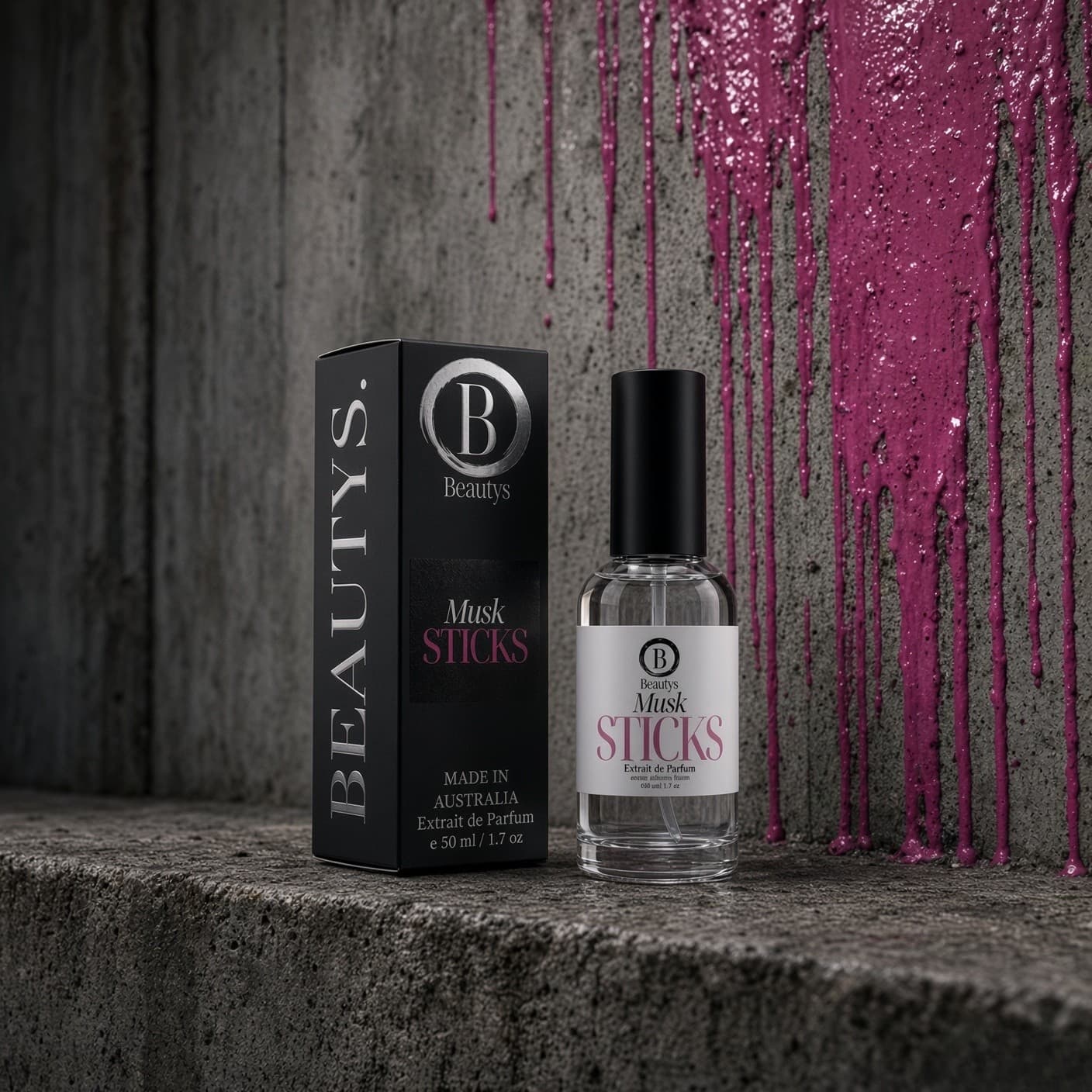
Musk often supports other notes rather than standing alone. A floral musk, a sweet musk and a woody musk can serve very different tastes. Read the entire pyramid to see which direction is likely to interest you most.
Someone searching for a clean scent should look for an explicit clean profile or familiar clean-feeling references, not treat the presence of musk as sufficient proof. The finder separates recorded preferences from ingredient-family matches for that reason.
The decision / 02
Allow for differences in perception
People can perceive musk materials differently, and repeated exposure can reduce your awareness of a fragrance. Not noticing it yourself does not prove that it has disappeared. Avoid repeated respraying just to make the scent obvious to your own nose.
Try a measured application and return to it later. When appropriate, ask someone nearby about the impression rather than expecting an exact wear time. This guide includes no fabricated skin-scent testing or projection rankings.
The decision / 03
Understand what the label cannot promise
Modern musk notes often involve composed effects and synthetic materials. The note name alone does not prove animal sourcing, vegan status or natural content. Those claims require information about the actual finished product.
For gifting, a musky perfume is not automatically a safe blind buy. A recipient may enjoy powder but dislike sweetness, or enjoy clean fabric associations but prefer fewer flowers. Use a known preference to narrow the choices and read the current returns policy before purchase.