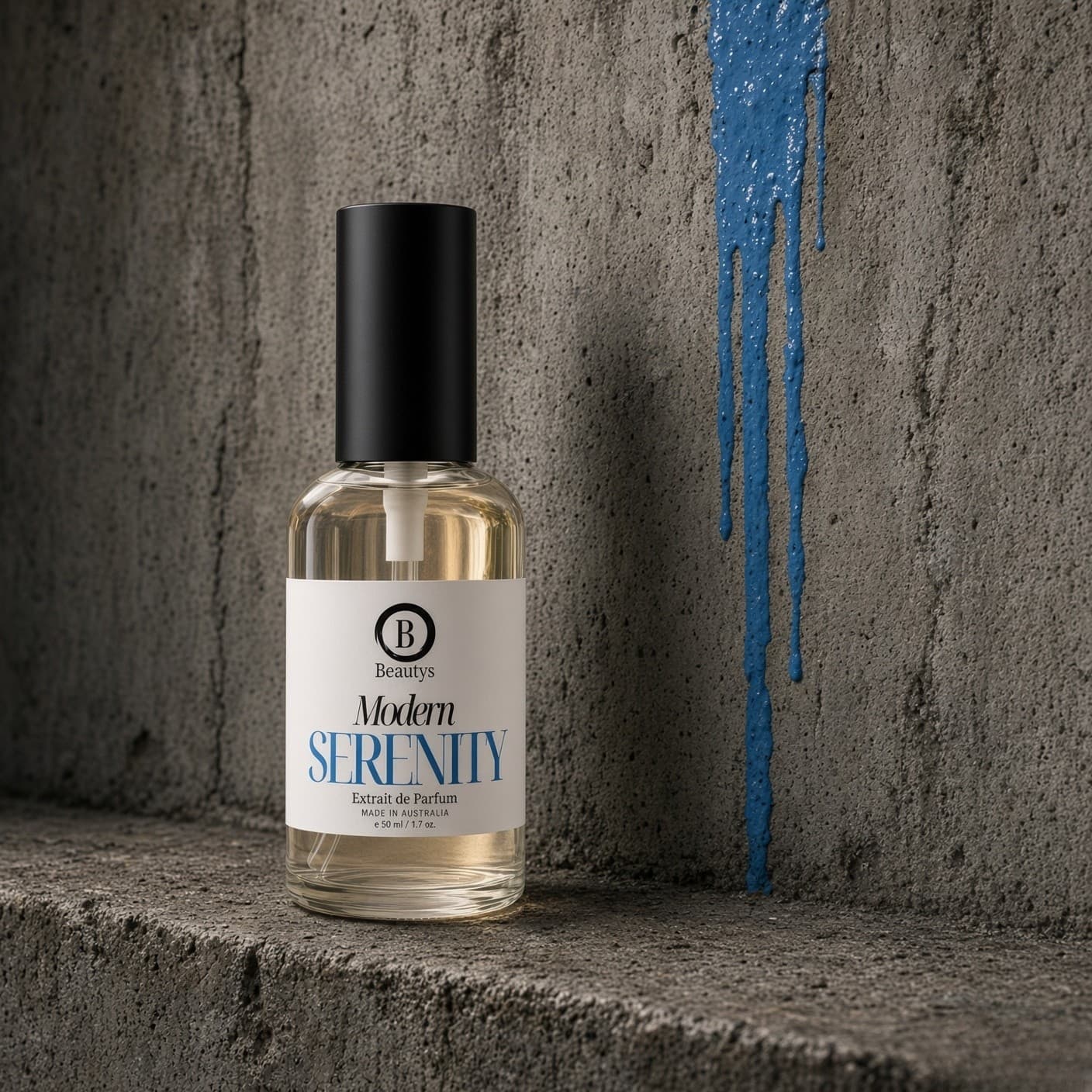


The decision / 01
Name the freshness you actually want
Fresh laundry, squeezed citrus and coastal air are different scent references. If your search starts with the word fresh, add one more useful word: marine, minty, herbal or citrus. The choice becomes more specific without needing a technical vocabulary.
This guide does not silently classify every bergamot perfume as fresh. A citrus note may open a rich composition. Keeping citrus and fresh edits distinct makes both selections more useful.
The decision / 02
Keep an eye on the finish
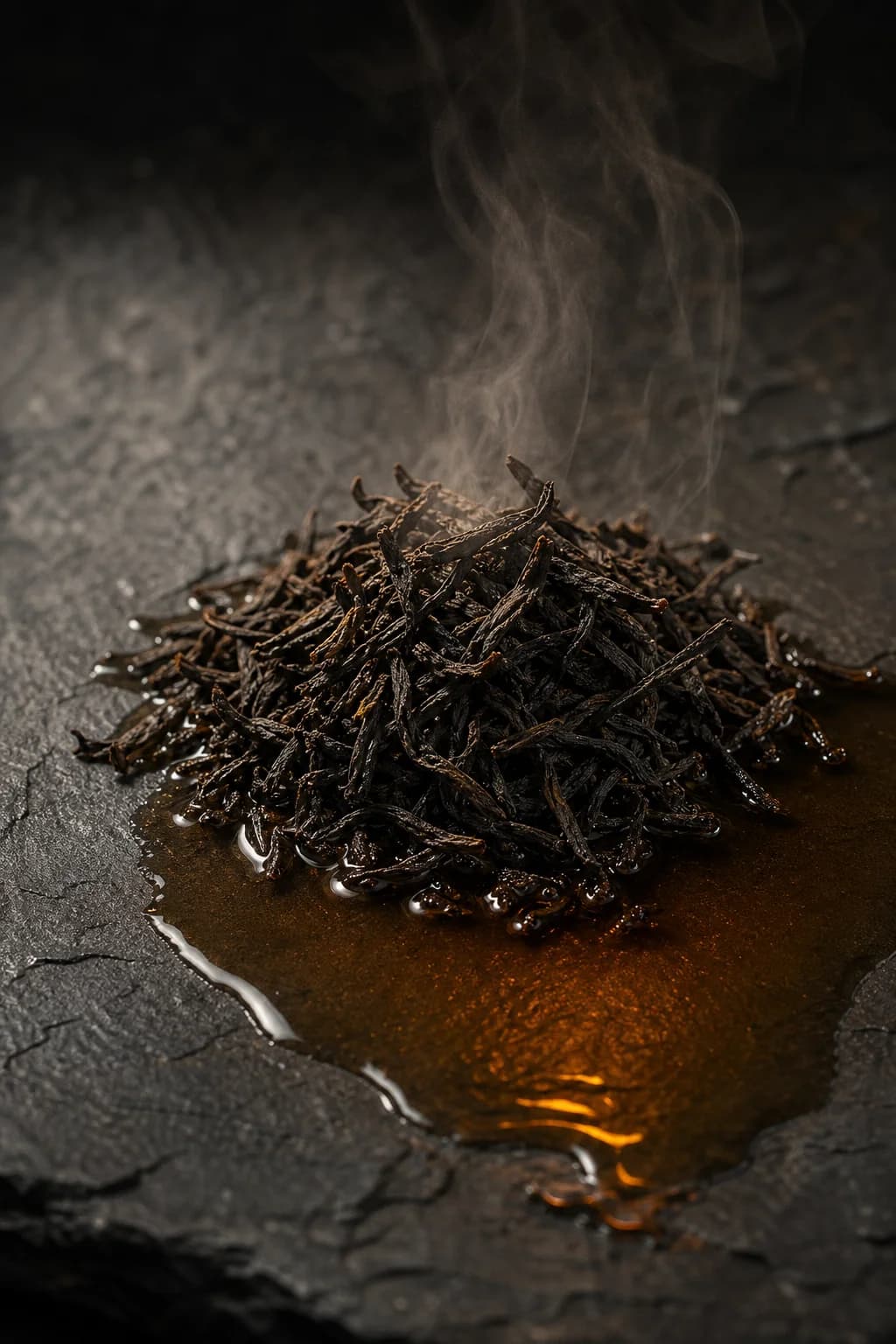
A cool opening can lead into warm woods or smoky details. That contrast may be exactly what you want, but it is different from an expectation of consistent airiness. Check the base before deciding a fresh match suits your preferences.
Projection and persistence are separate from freshness. A fresh-smelling formula can be noticeable, and an extrait label does not require heaviness. No performance outcome is inferred from these category names.
The decision / 03
Choose for your environment
Australian summer varies from dry heat to tropical humidity, and an air-conditioned office is another environment again. Try a modest application in the setting where you will actually wear the perfume rather than relying on a universal summer recommendation.
For shared spaces, consider the people nearby and any fragrance-free policies. A fresh perfume is not automatically workplace-appropriate. If a product has a merchant-supplied occasion or season tag, the finder can show it separately from this evidence-based family match.