
The decision / 01
Find your herbal reference
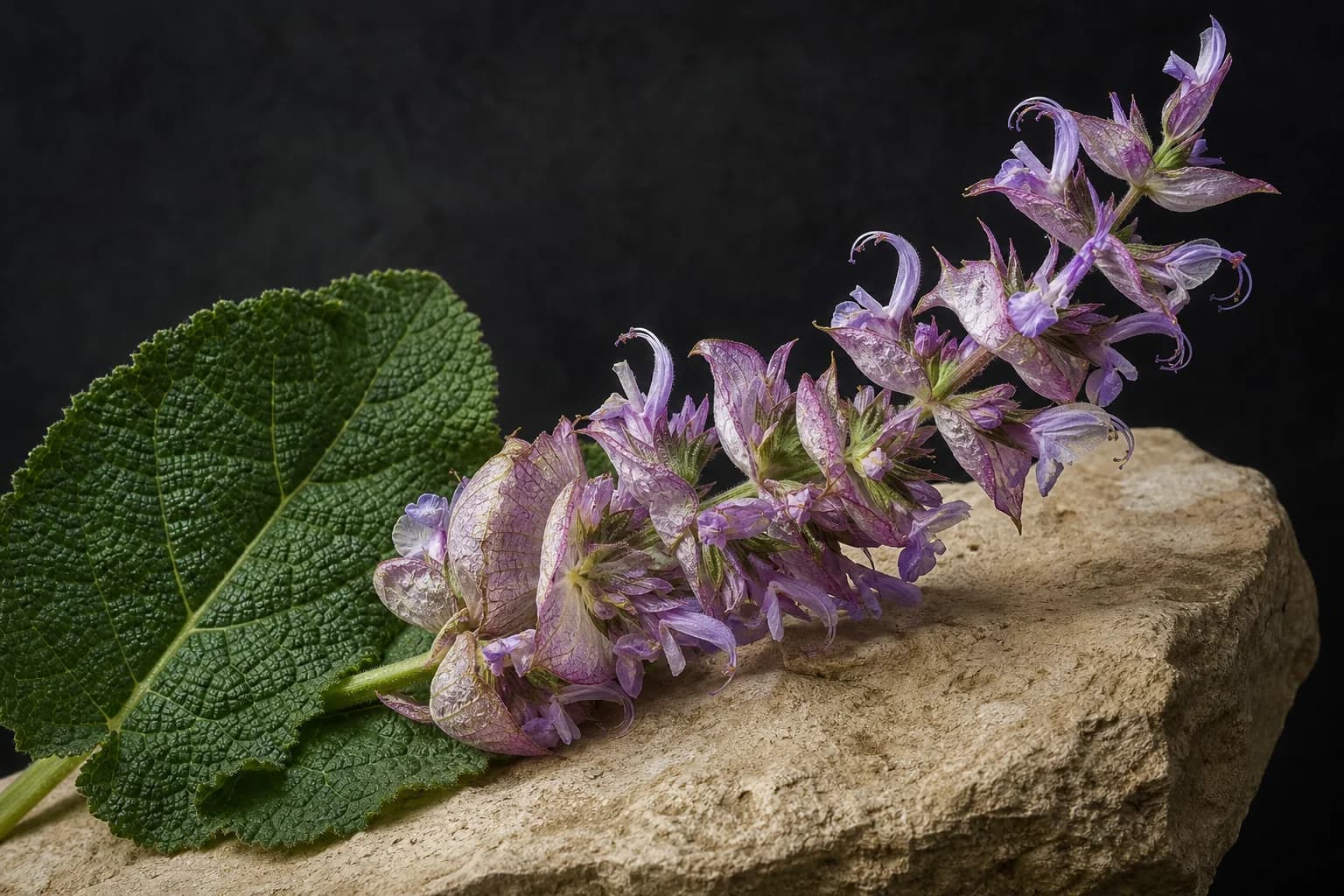
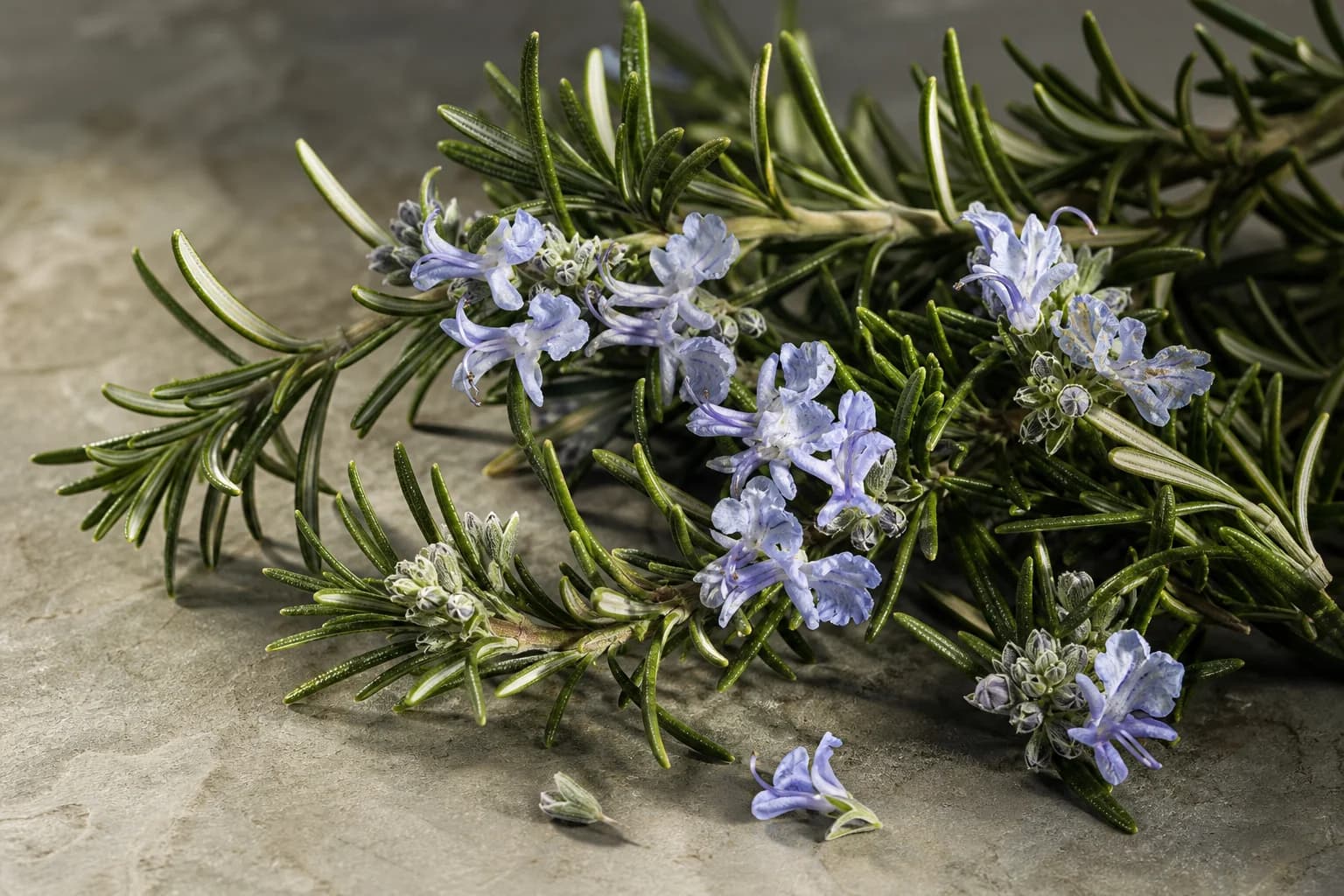
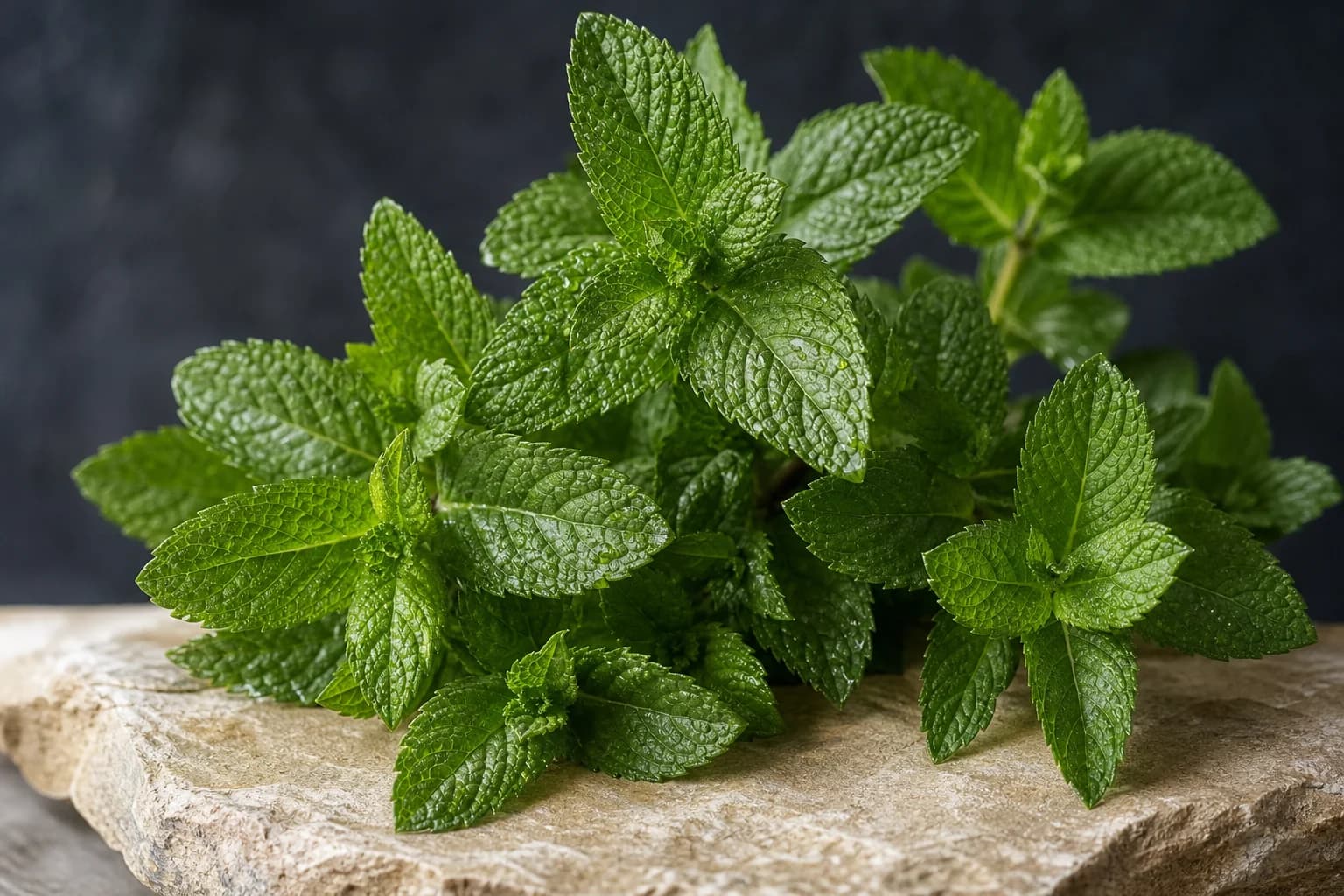
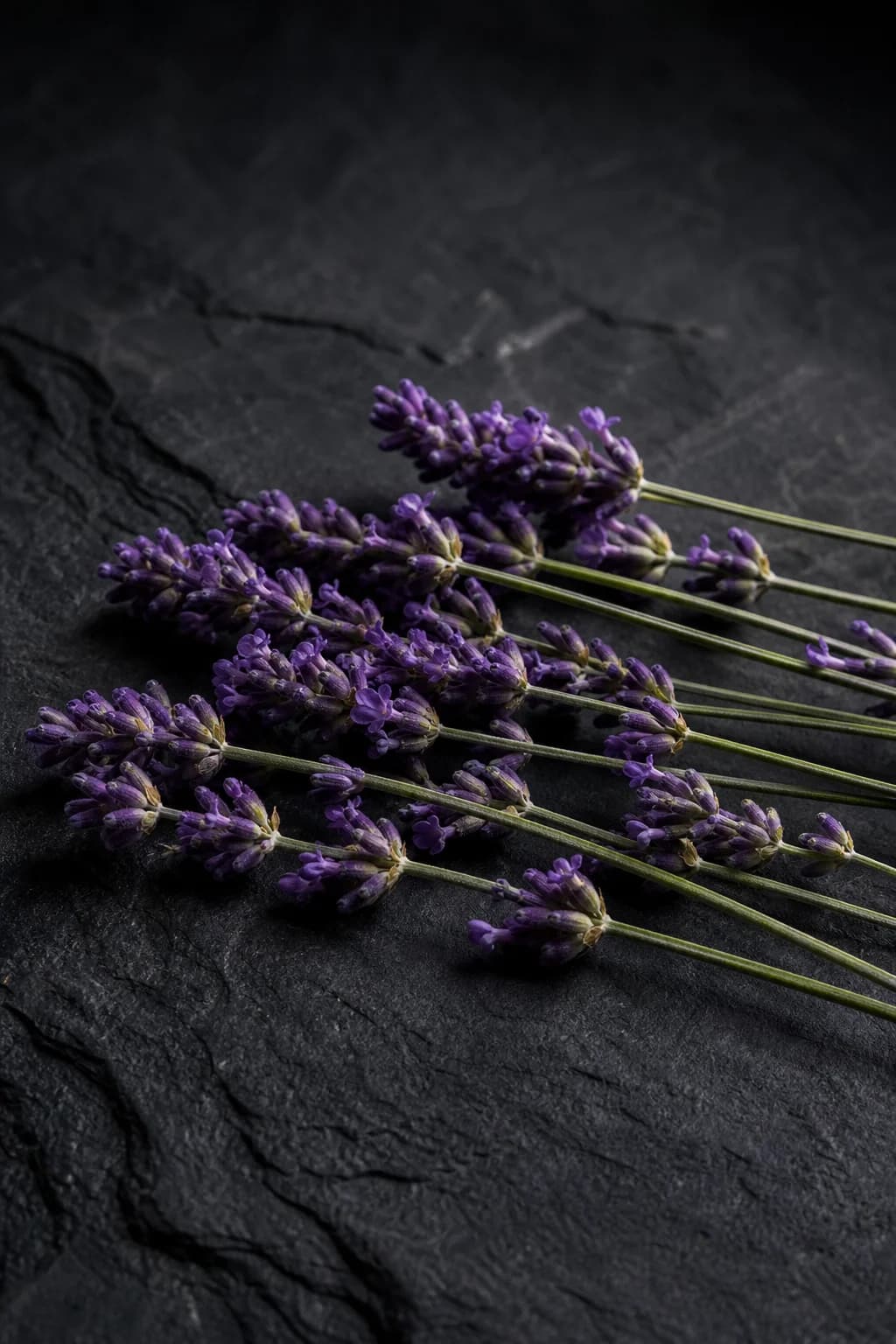
Lavender, rosemary and mint are familiar outside perfumery, but their perfume impressions are shaped by the formula around them. A note can suggest the plant without smelling exactly like a crushed leaf from the garden.
Choose one reference you enjoy and compare its companions. Lavender with citrus is a different starting point from lavender with cherry or vanilla. Keeping the herbal thread constant helps you notice the change in surrounding texture.
The decision / 02
Do not confuse aromatic with aromatherapy
Aromatic is a fragrance-family description here. It does not imply a therapeutic effect, relaxation benefit or essential-oil-only formula. The catalogue note list describes smell, not a wellness claim.
It also does not prove that a named herb was used as a natural extract. Modern perfumery can build botanical impressions in several ways. Follow the encyclopedia links for material context without treating the note names as ingredient certification.
The decision / 03
Compare the complete wearing experience
An aromatic opening can lead towards amber, sweet notes or dry woods. Give a test time to develop and ask which part you enjoy most. If you only like the initial herbaceous lift, compare another base rather than assuming all aromatic perfumes behave alike.
For daily use, consider your surroundings and preference rather than an automatic office or summer label. Current season and occasion classifications, when supplied by the merchant, remain separate finder filters. We do not assign them from the product name.