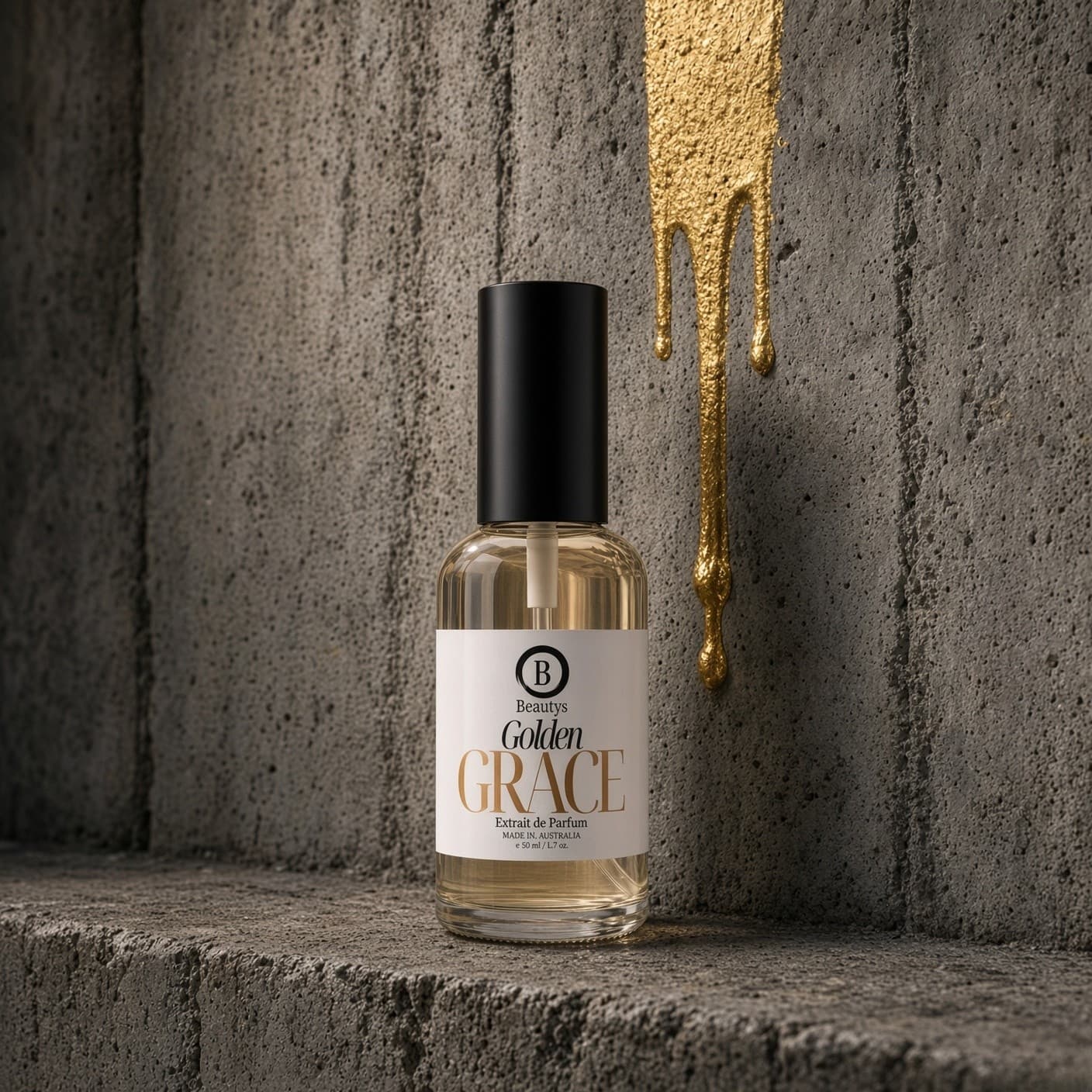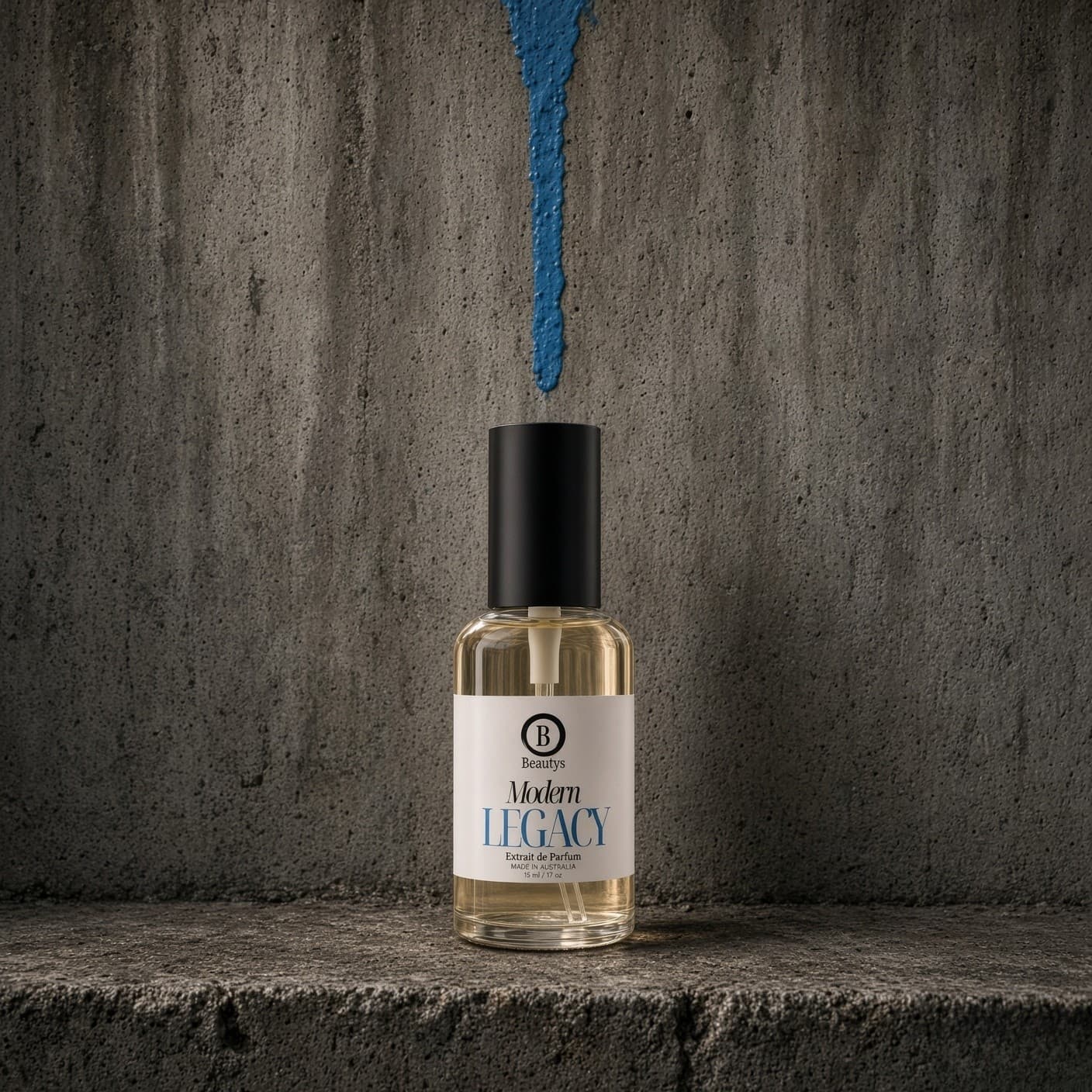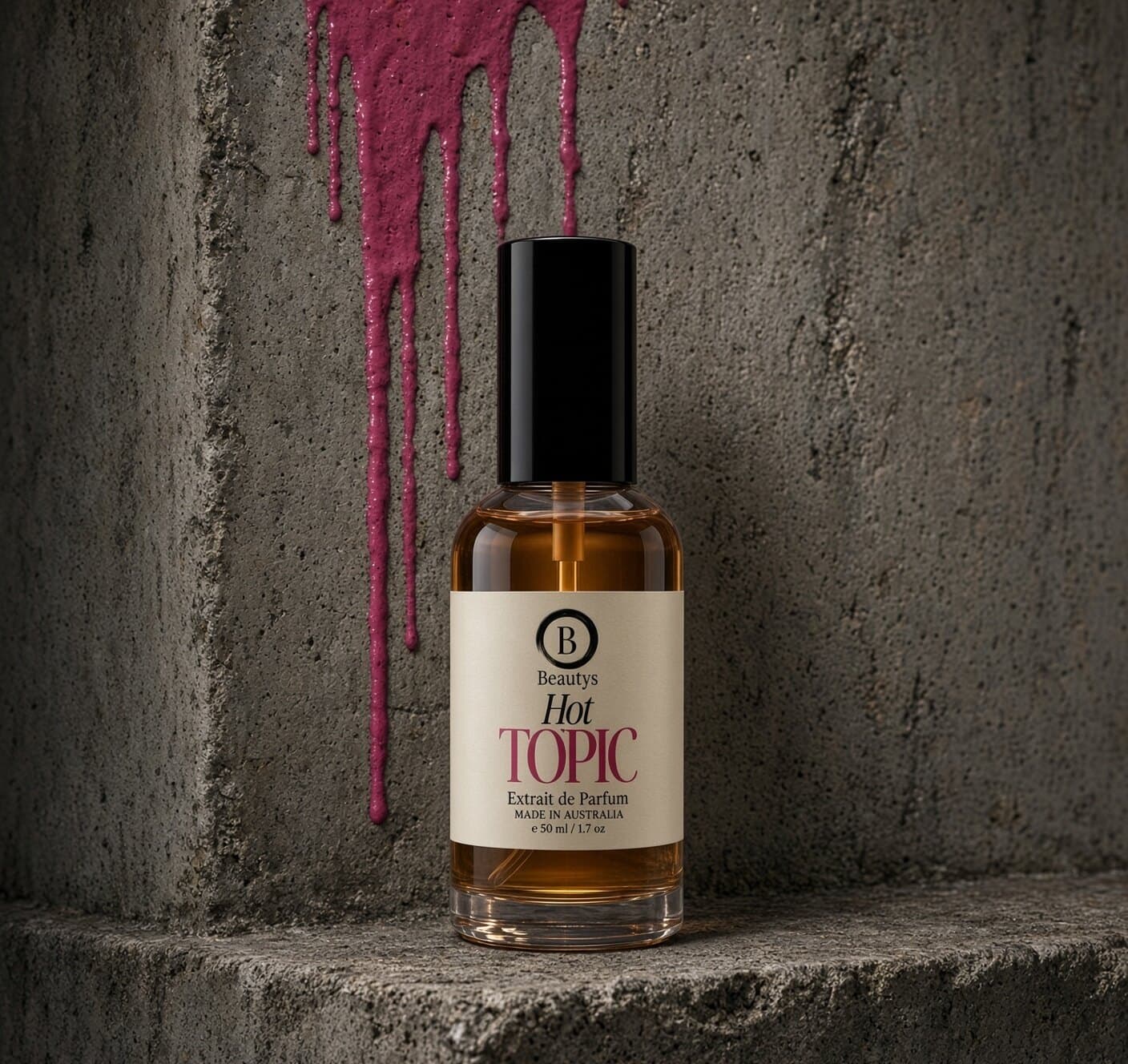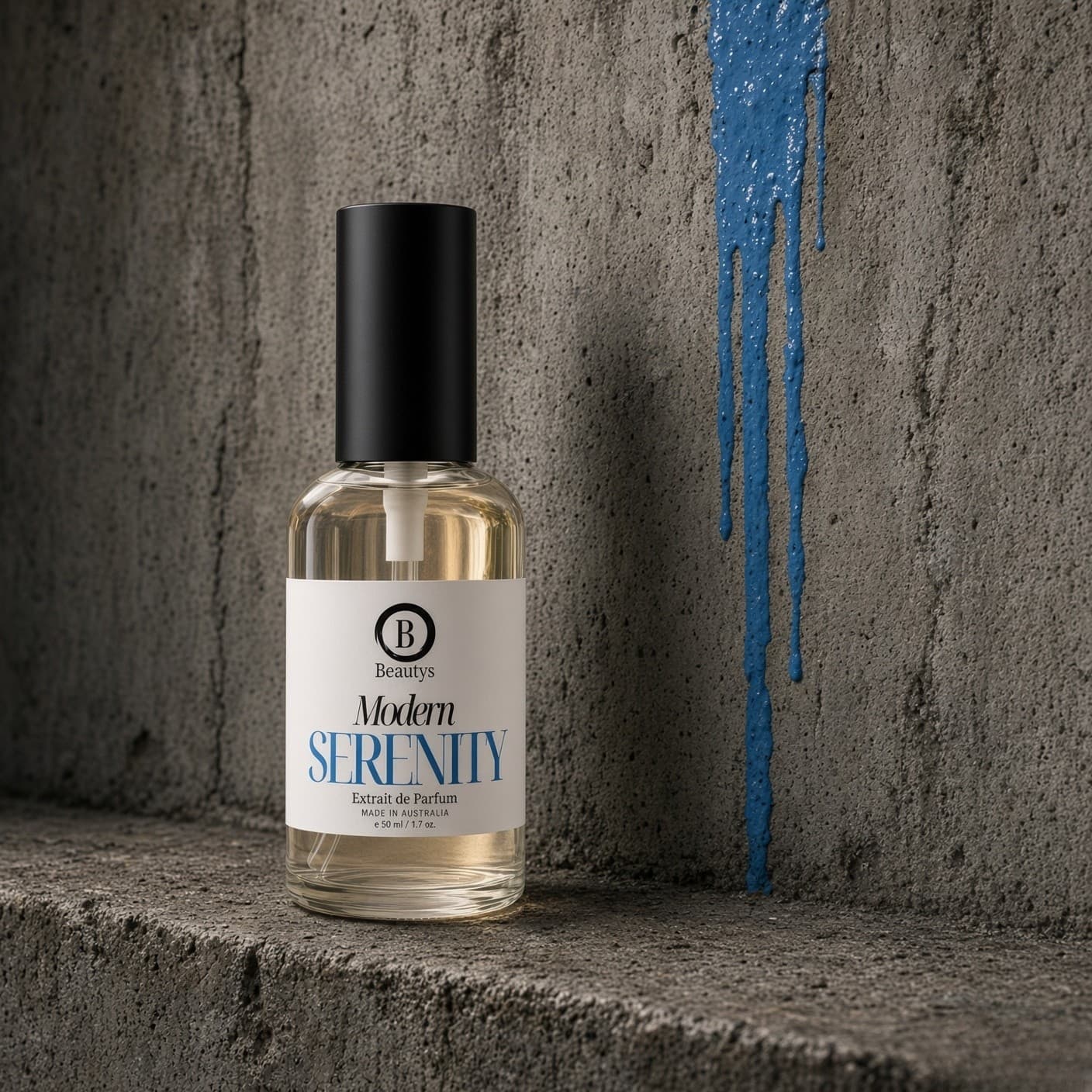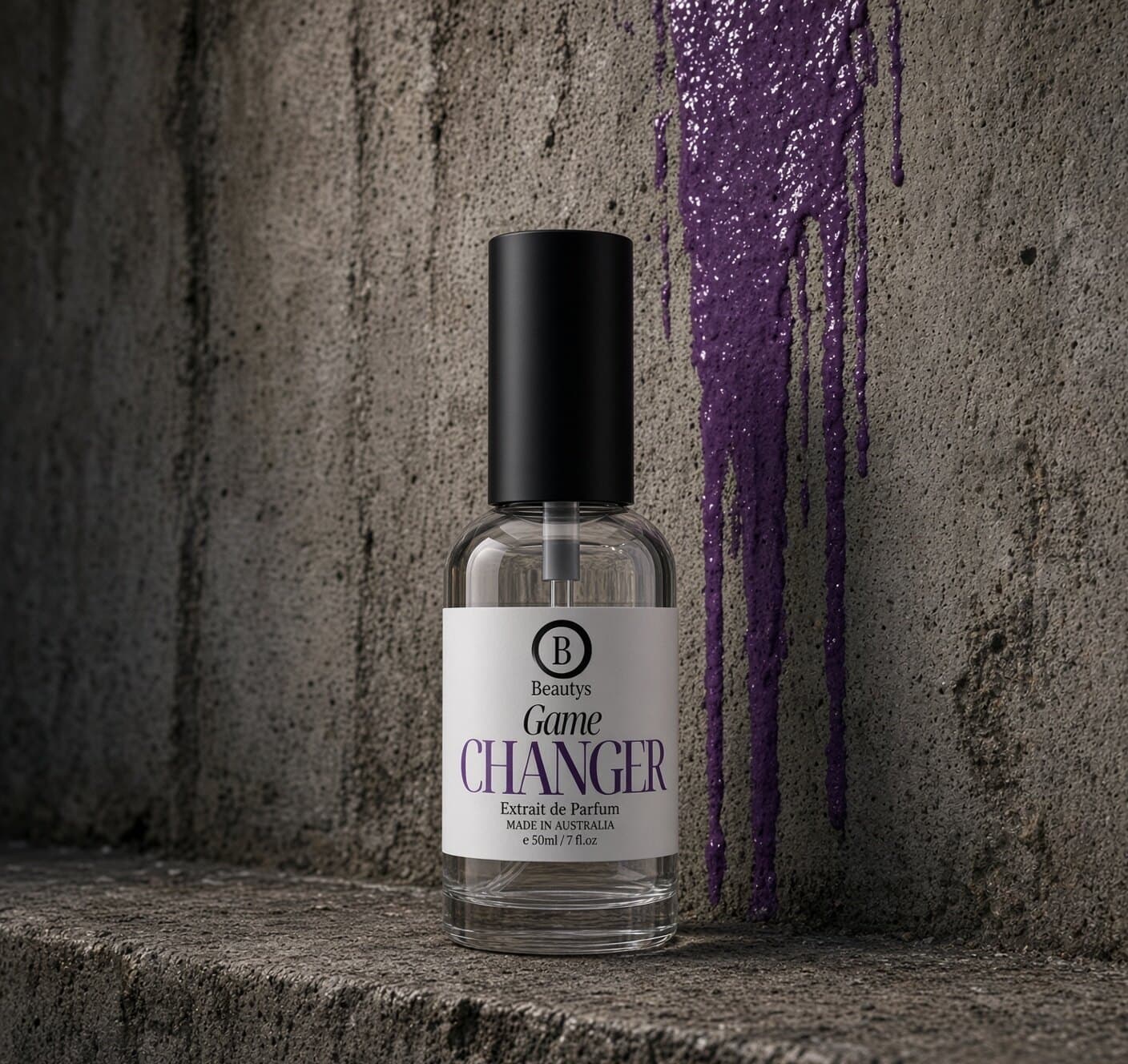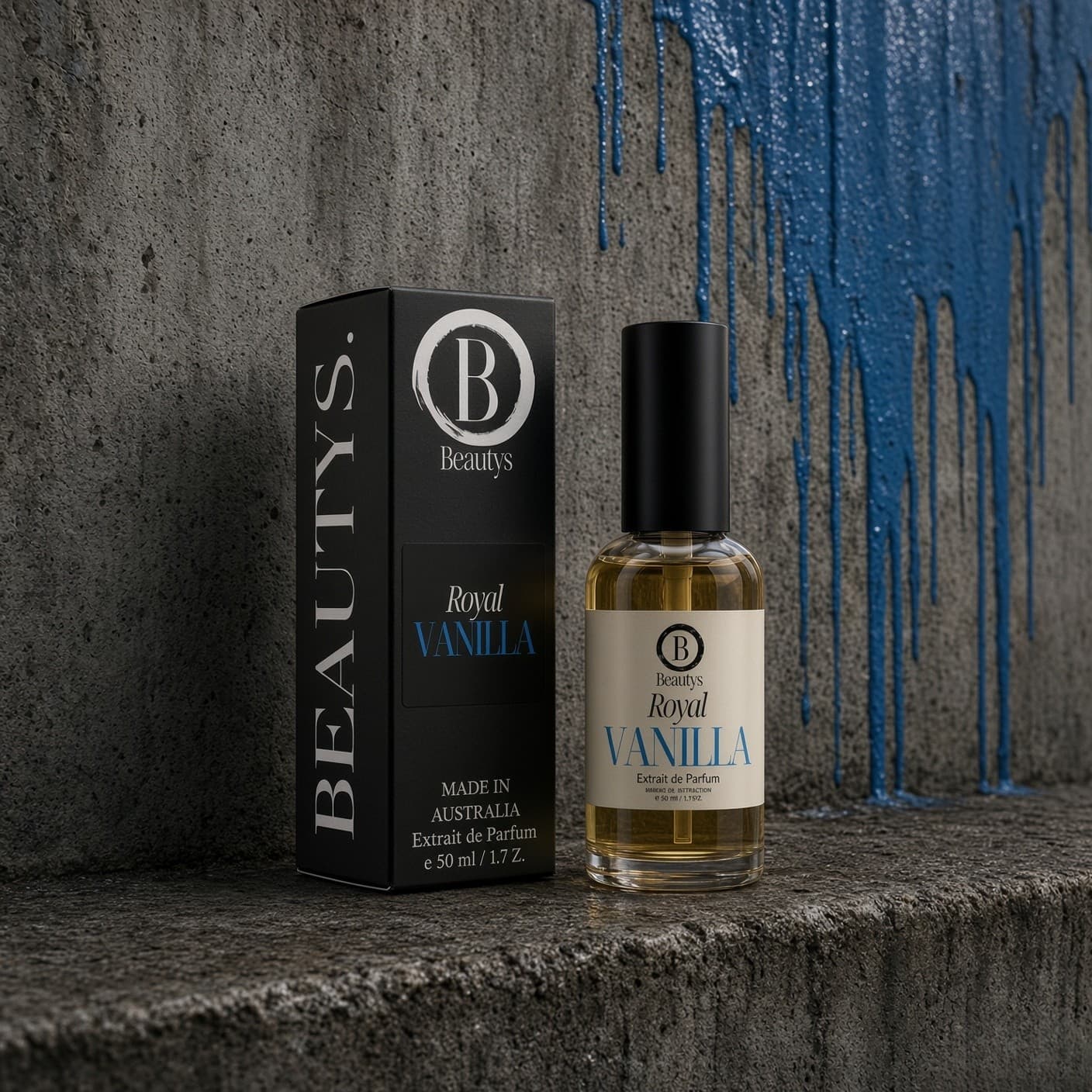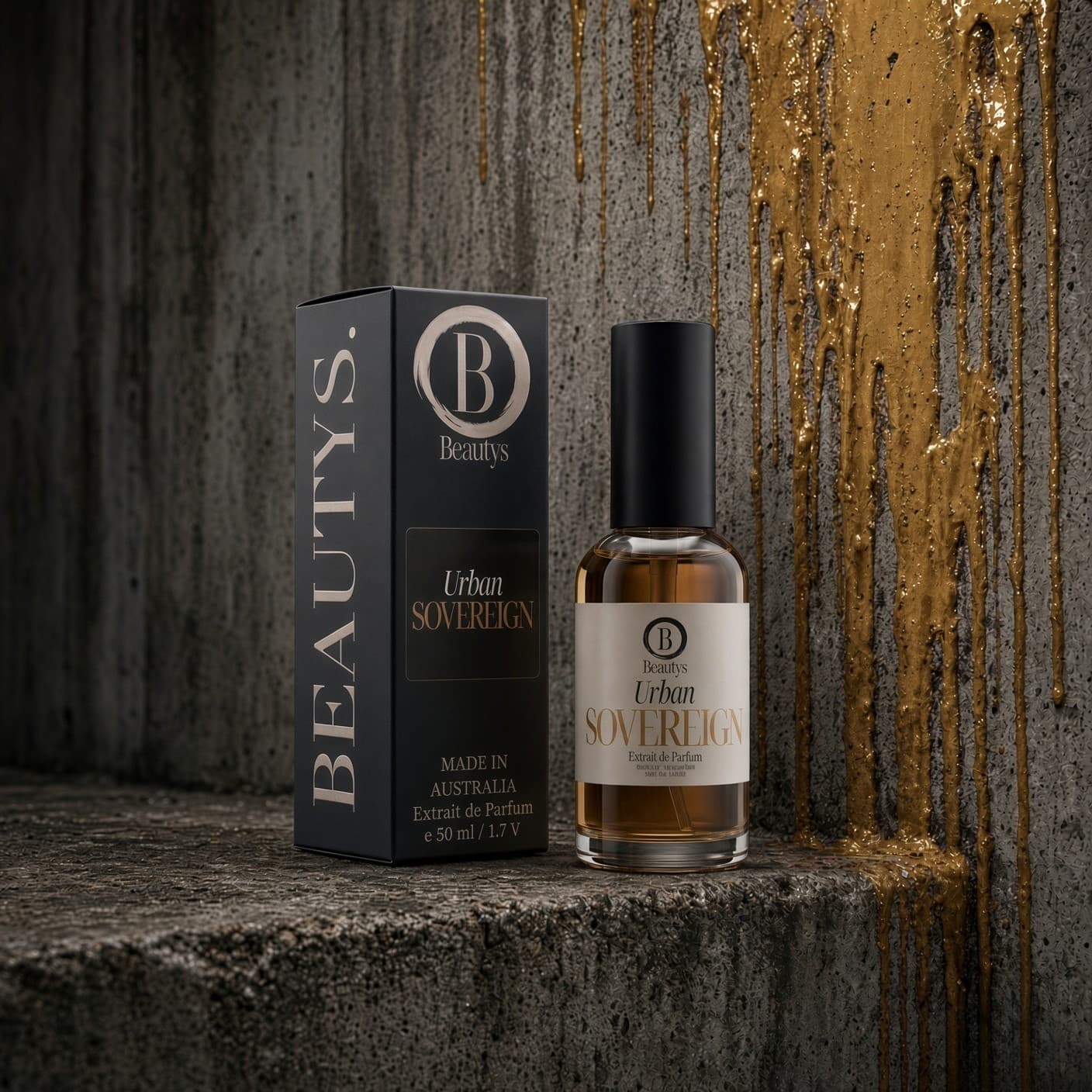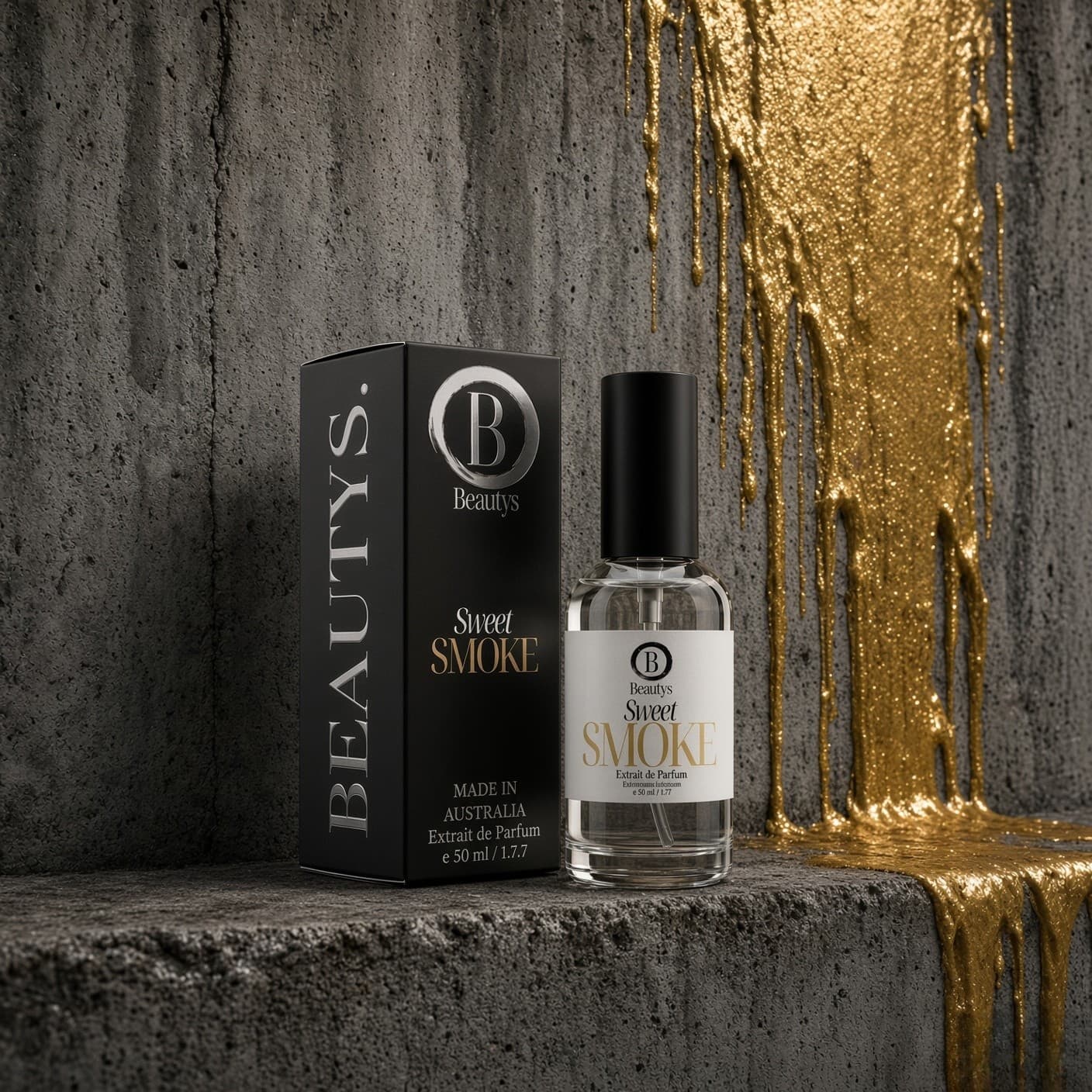
The decision / 01
Choose the texture before the flower
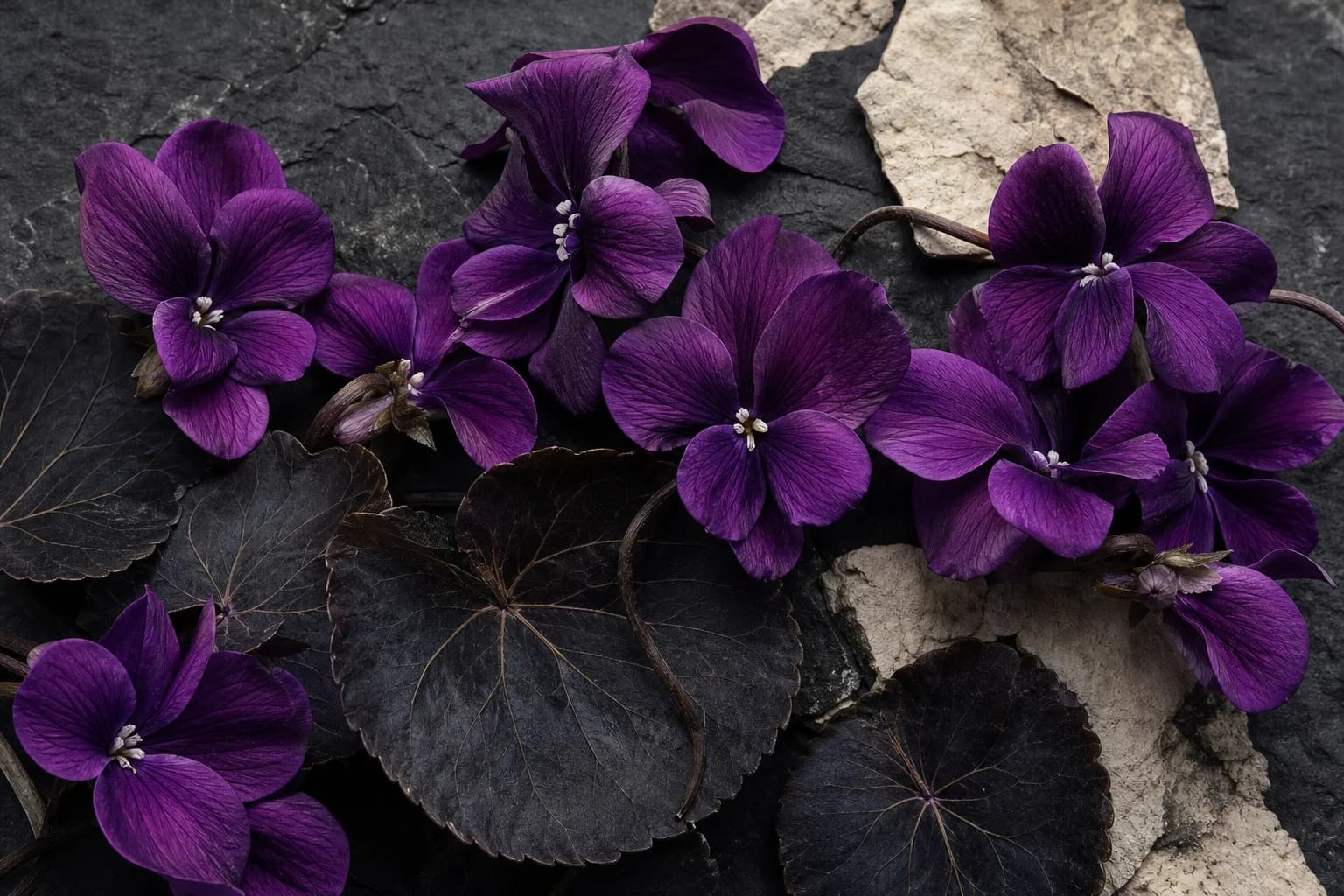
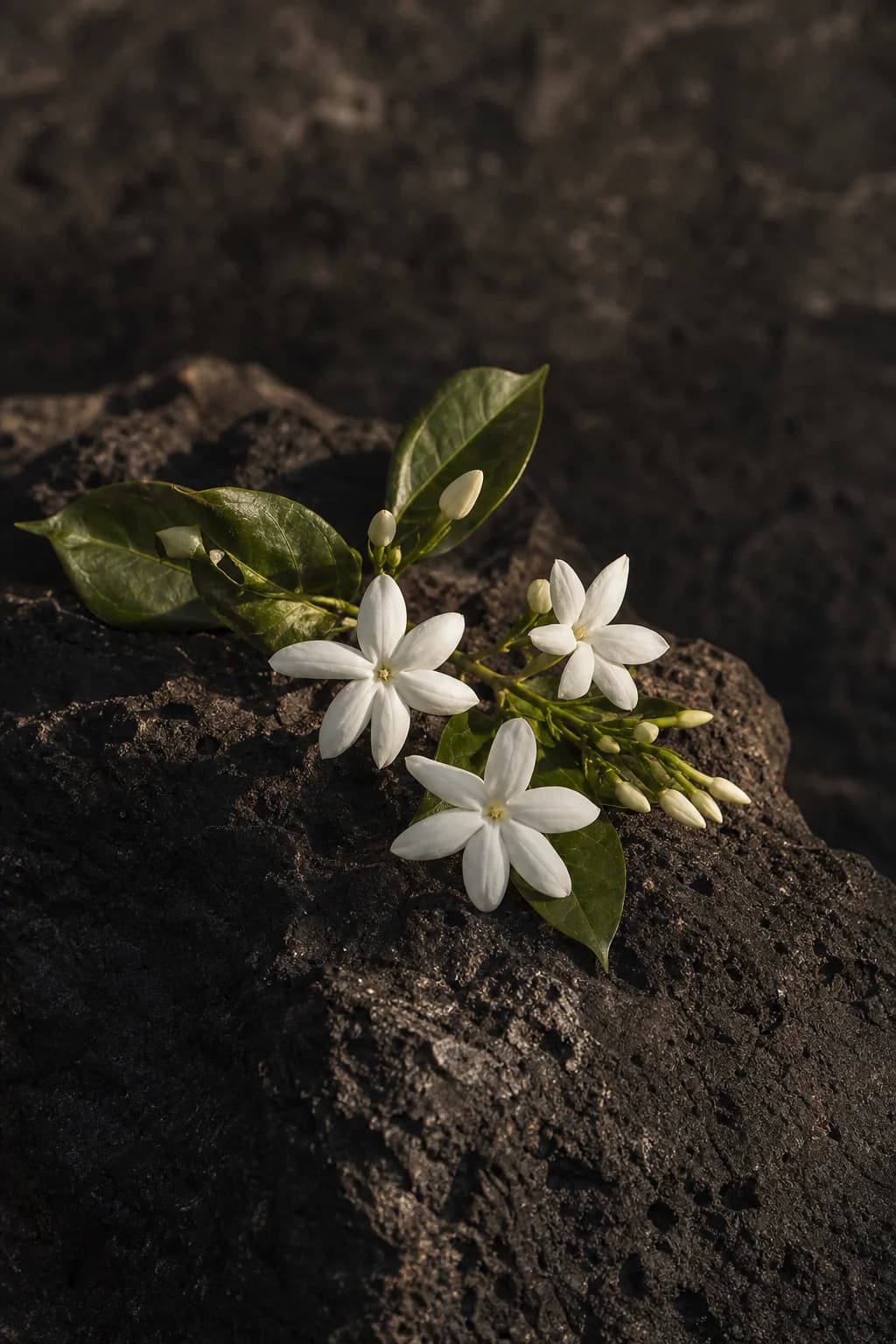
A person who loves jasmine in the garden may prefer a powdery floral perfume to a jasmine-forward composition. Natural context, supporting notes and the finished formula change the experience. Think about texture words you already enjoy, then compare the catalogue rather than expecting literal fresh flowers.
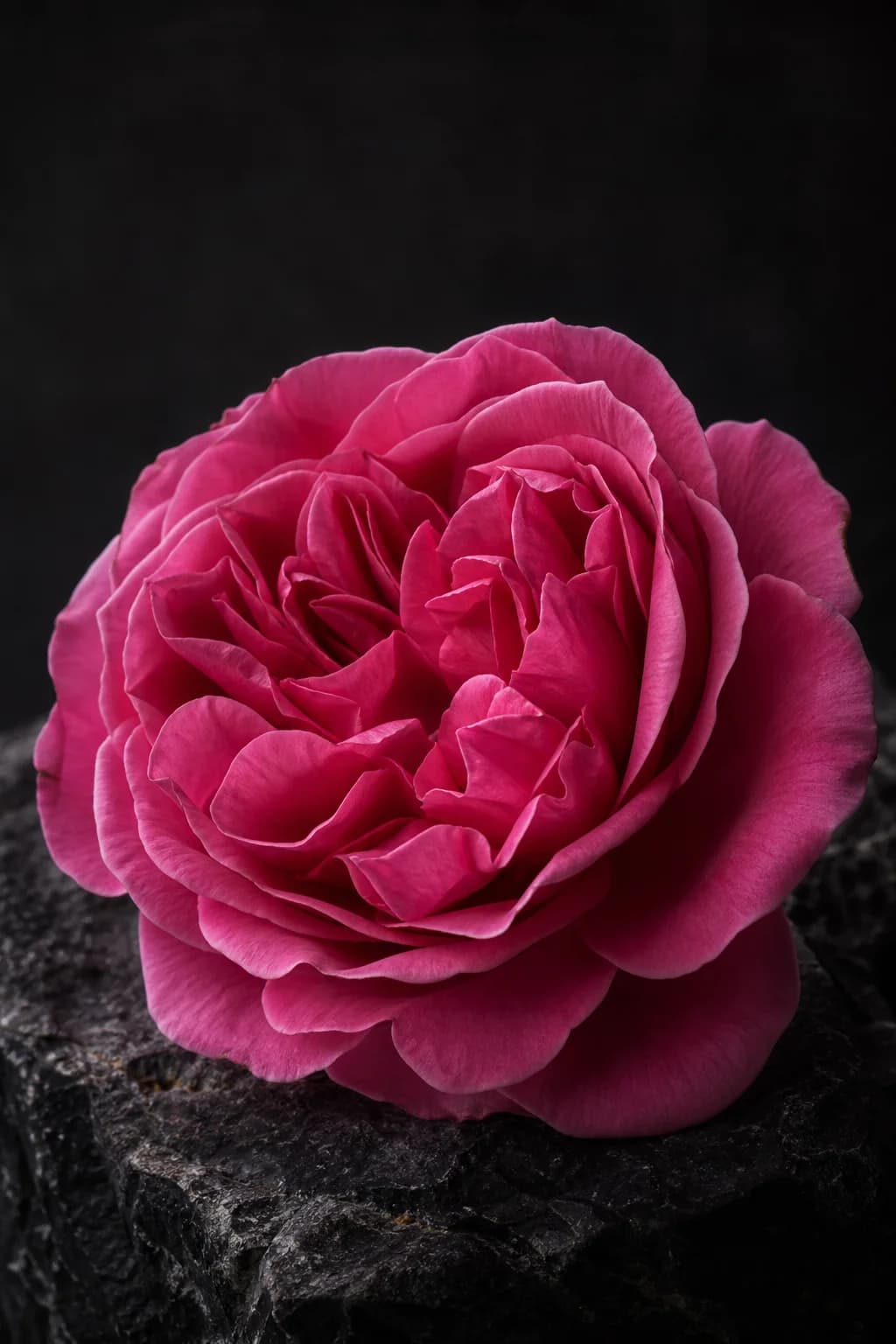
A rose with fruit, a rose with wood and a rose with musk are three different shopping directions. Keep one familiar floral reference in your shortlist and change the supporting frame. This makes the comparison useful without needing a trained nose.
The decision / 02
Read sweetness separately
A floral fragrance can contain confectionery details without becoming a dessert perfume. Marshmallow, honey or caramel suggest possible sweetness; they do not tell you the dose. Conversely, a citrus opening does not ensure a fresh finish once the flowers and base emerge.
For Australian warm-weather wear, sample in conditions similar to your day and begin modestly. Shared workplaces and close dining tables call for consideration whatever family you choose. None of these perfumes is assigned an office or summer label without a merchant classification.
The decision / 03
Make the dry down part of the decision
When testing, revisit the scent after its opening has settled. Ask whether the lasting impression is still a bouquet, or whether woods, sweetness or powder have become more important. Choose the whole progression rather than only the first spray.
Use the linked note guides for unfamiliar flower names. A floral note describes an olfactory effect, not proof that the perfume contains an extract of that flower. The product pages remain the reference for the full recorded composition and purchase information.