The decision / 01
Decide which kind of spice appeals
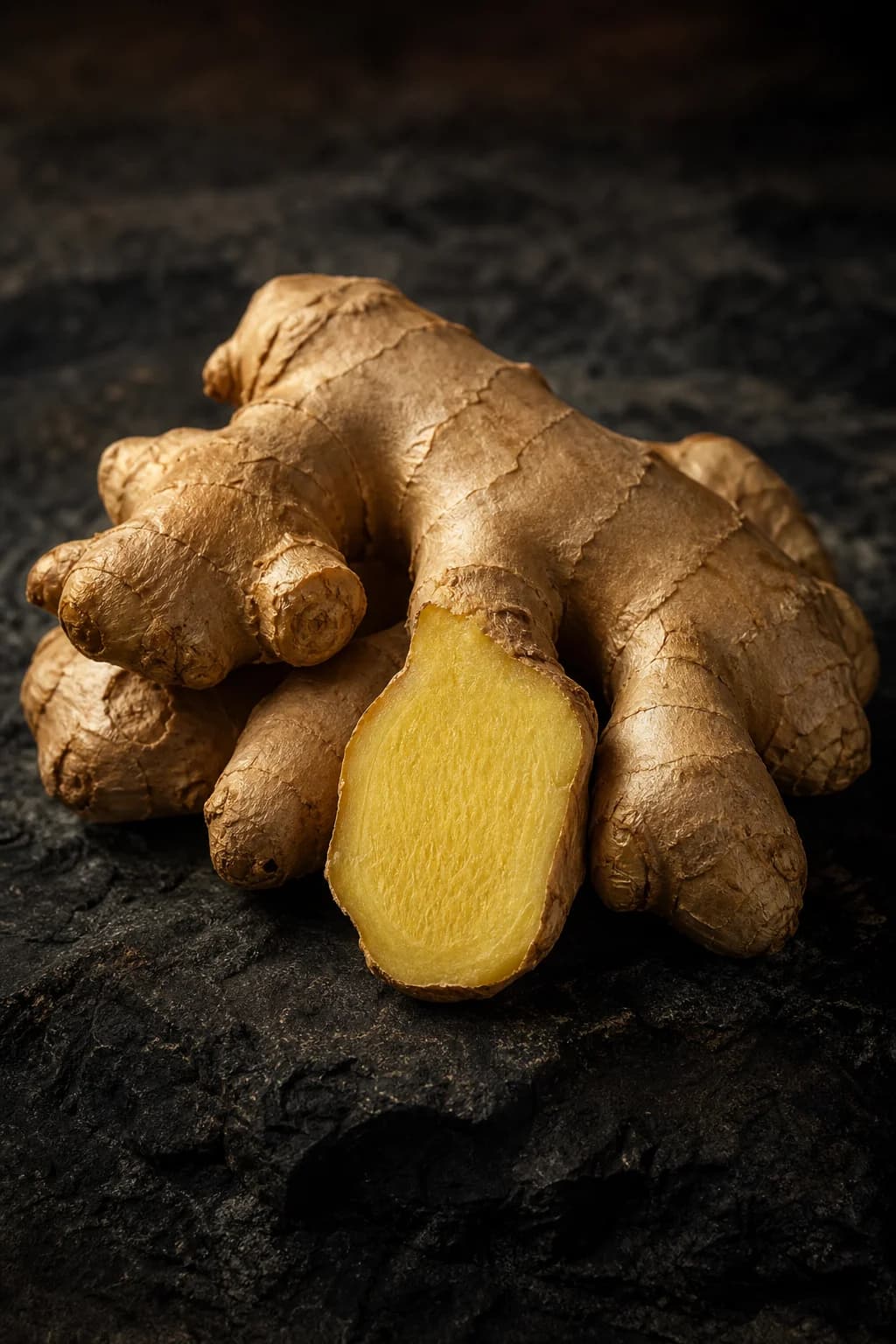
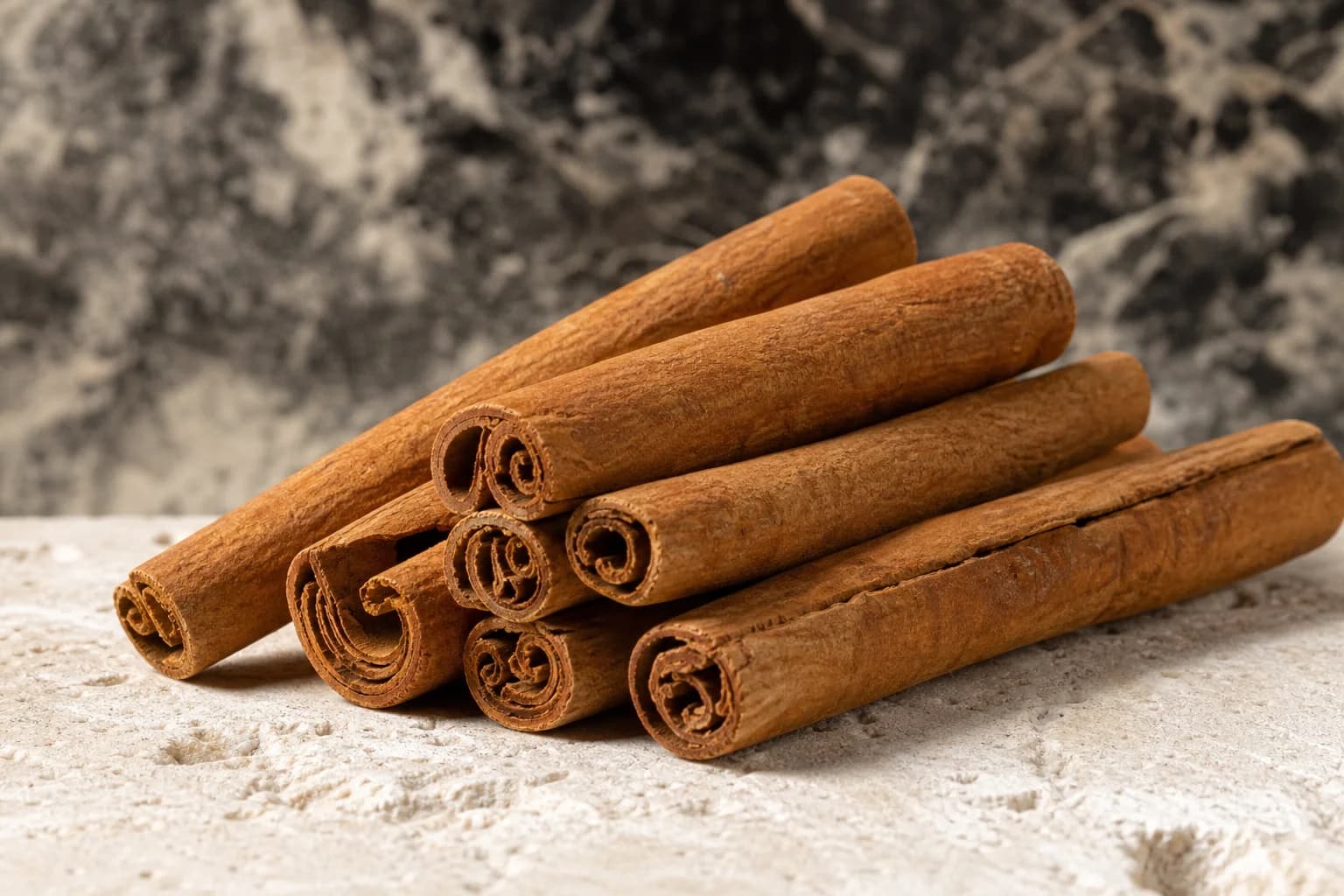
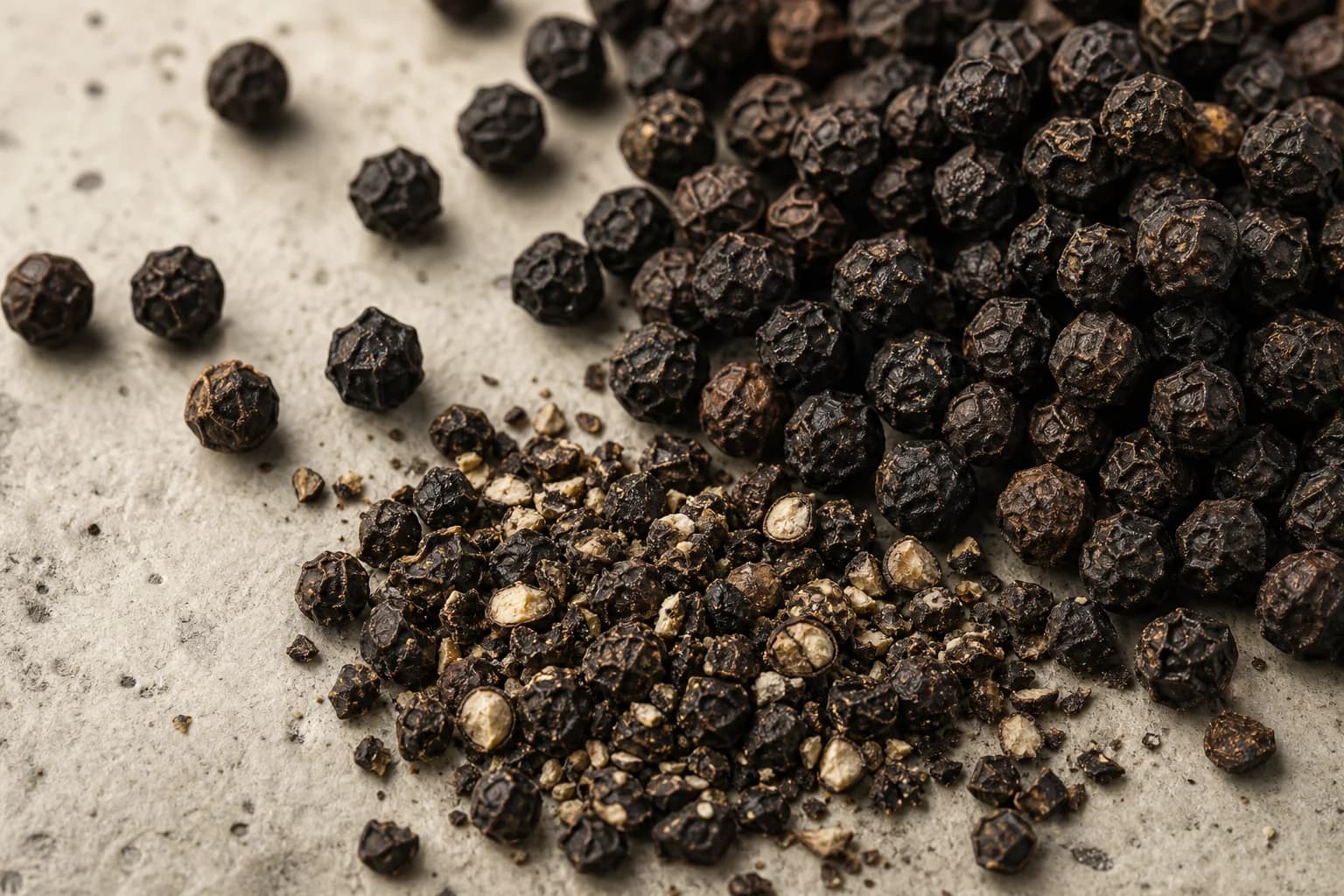
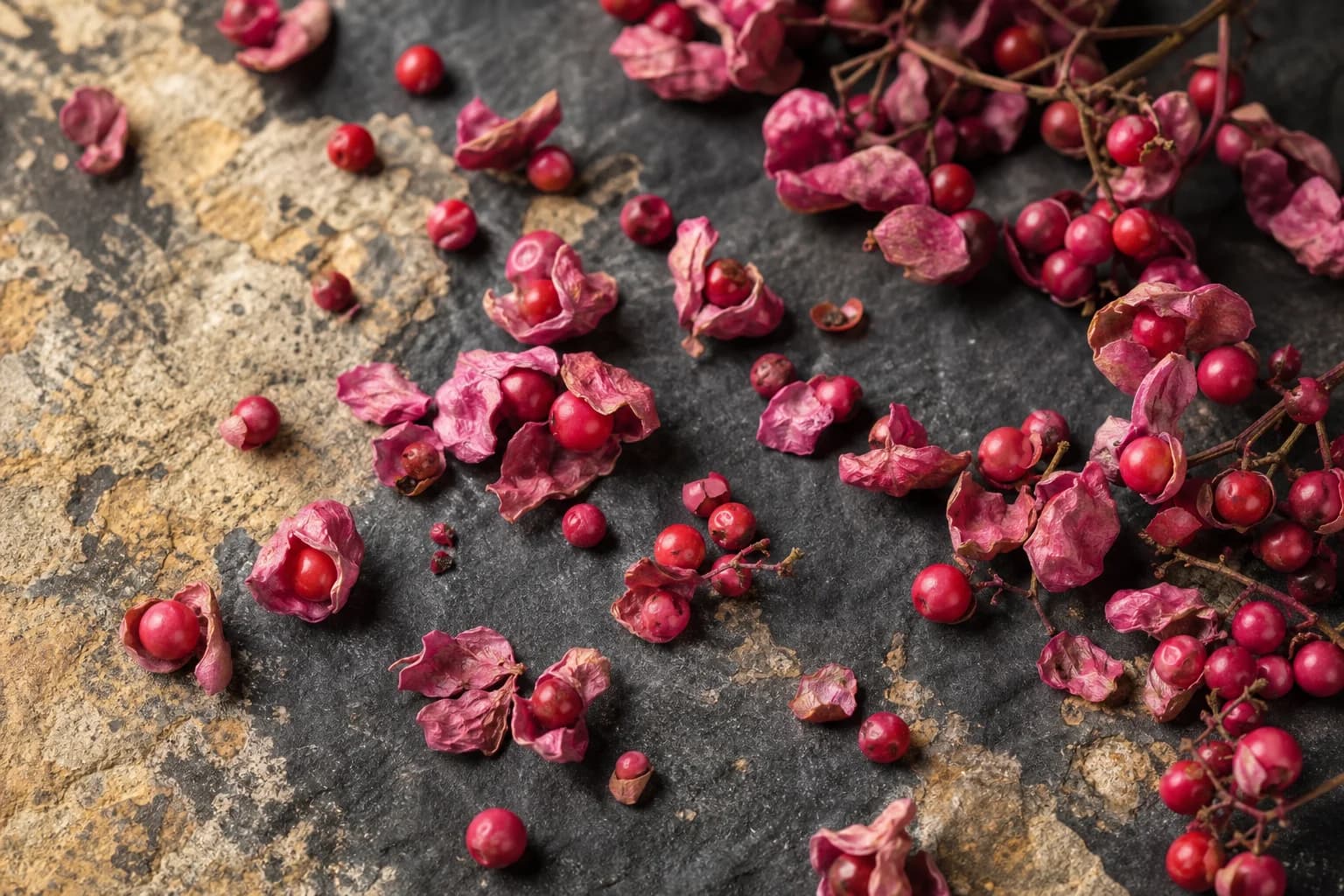
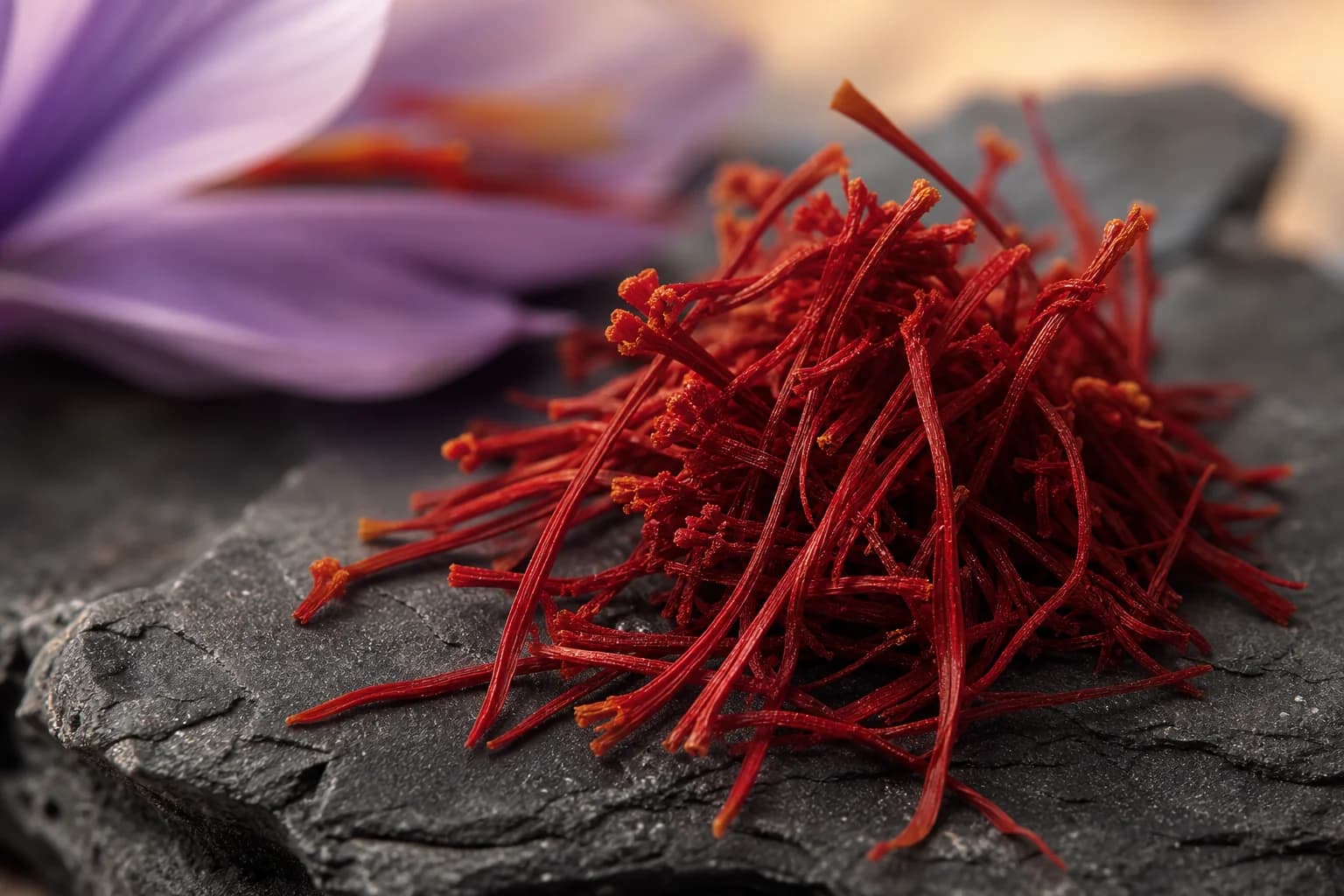
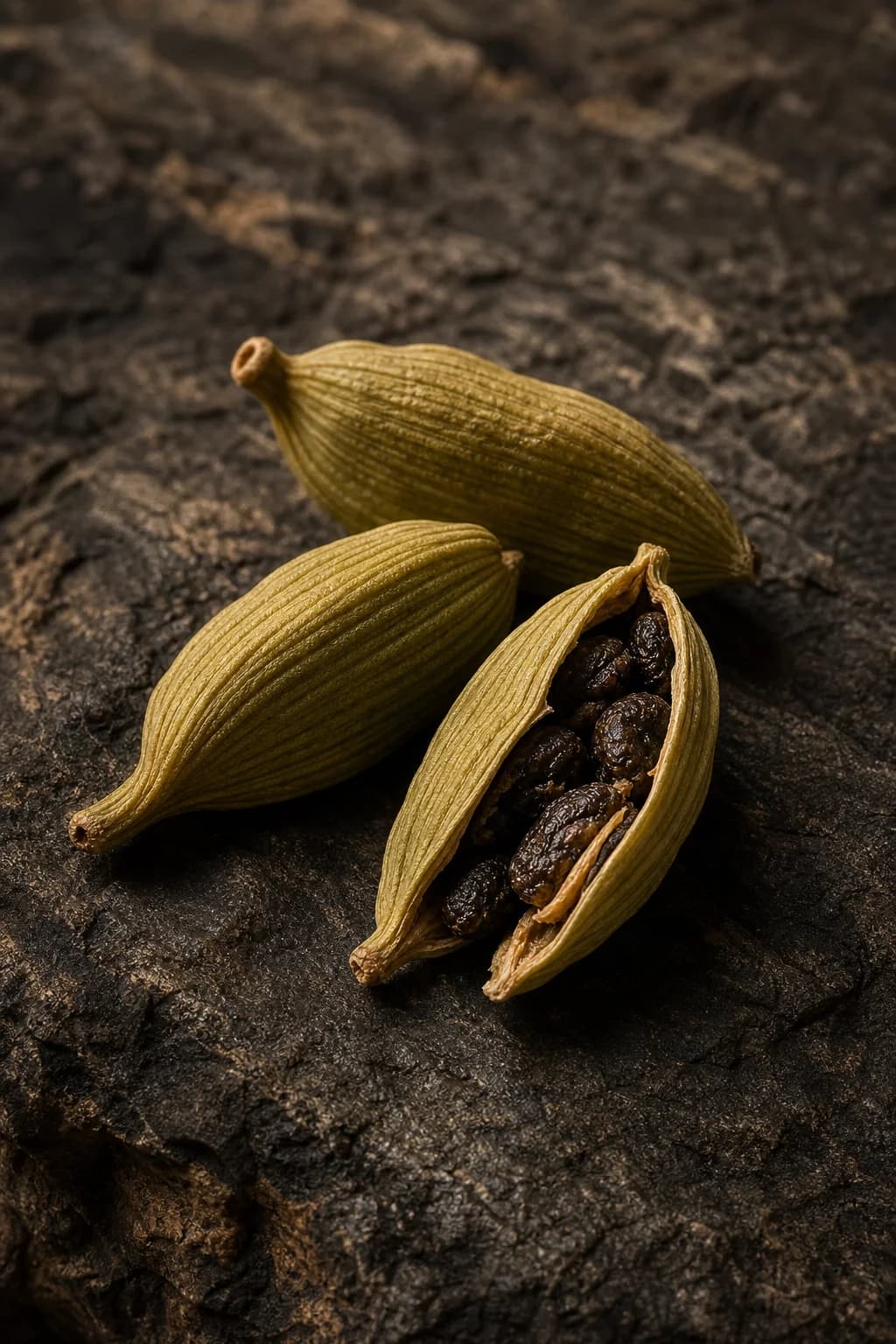
A shopper looking for sparkling pepper may be disappointed by a sweeter cinnamon composition, even though both qualify as spicy. Start with one familiar spice reference and compare the opening, heart and base around it.
Words such as fresh spicy and warm spicy describe different profile directions. We retain recorded profile evidence rather than grouping everything into a promise of heat. Perfume spice is an aroma association, not a prediction of physical sensation.
The decision / 02
Look at the partner notes
Spice beside citrus gives a different context from spice beside rum, vanilla or tobacco. If you prefer less sweetness, compare the dry woods and aromatic notes; if you prefer more roundness, look at musks and gourmand details.
No individual note establishes the finished balance. A long spice list is not automatically stronger than a short one. Use the list to select what to try, then let actual wear determine your preference.
The decision / 03
Test the full development
Some spicy details are most apparent early; others remain part of the later texture. Revisit a test after the opening settles and decide whether you enjoy the base as much as the first impression. Avoid judging only by a dramatic initial spray.
In close settings or warmer Australian weather, begin modestly and assess comfort. We do not label every spicy perfume as a winter or date-night choice. Those are subjective recommendations that need explicit merchant classification.